Iowa health officials have confirmed the state’s first measles case of 2026, prompting public health agencies to alert residents about possible exposure locations in central Iowa and to remind the public to check vaccination records.
The Iowa Department of Health and Human Services confirmed the case and said it is working with local health officials to investigate where the infected person may have exposed others. Several news outlets reported that the state has identified locations where members of the public may have been present during the potential exposure window.
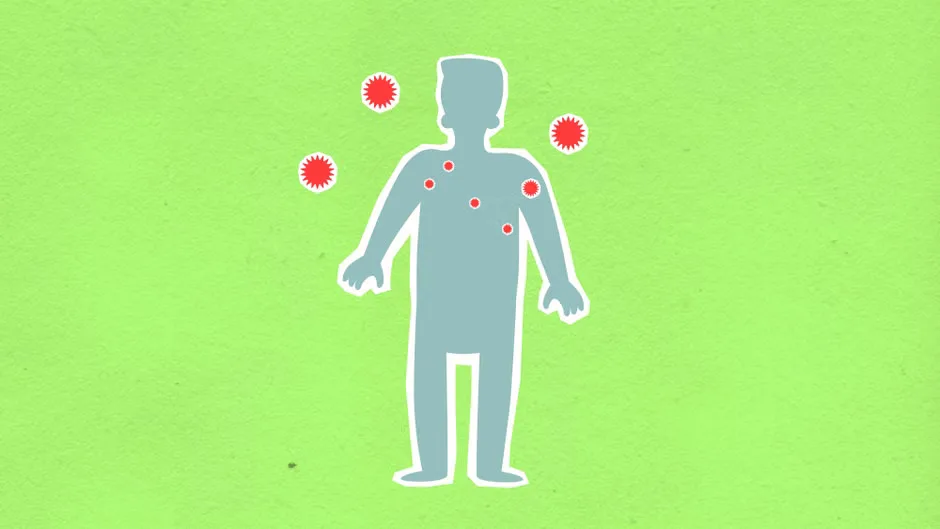
Measles is a highly contagious respiratory illness that can spread through the air when an infected person coughs or sneezes. The virus can remain in the air or on surfaces for up to two hours after an infected person leaves an area, making timely public notifications important when cases are confirmed.
Health officials typically focus contact tracing efforts on people who may have been in the same place at the same time as a confirmed case, especially those who are unvaccinated, too young to be vaccinated or immunocompromised. Anyone who believes they may have been exposed is generally advised to contact a health care provider before visiting a clinic or hospital so precautions can be taken to prevent further spread.
Vaccination status under review
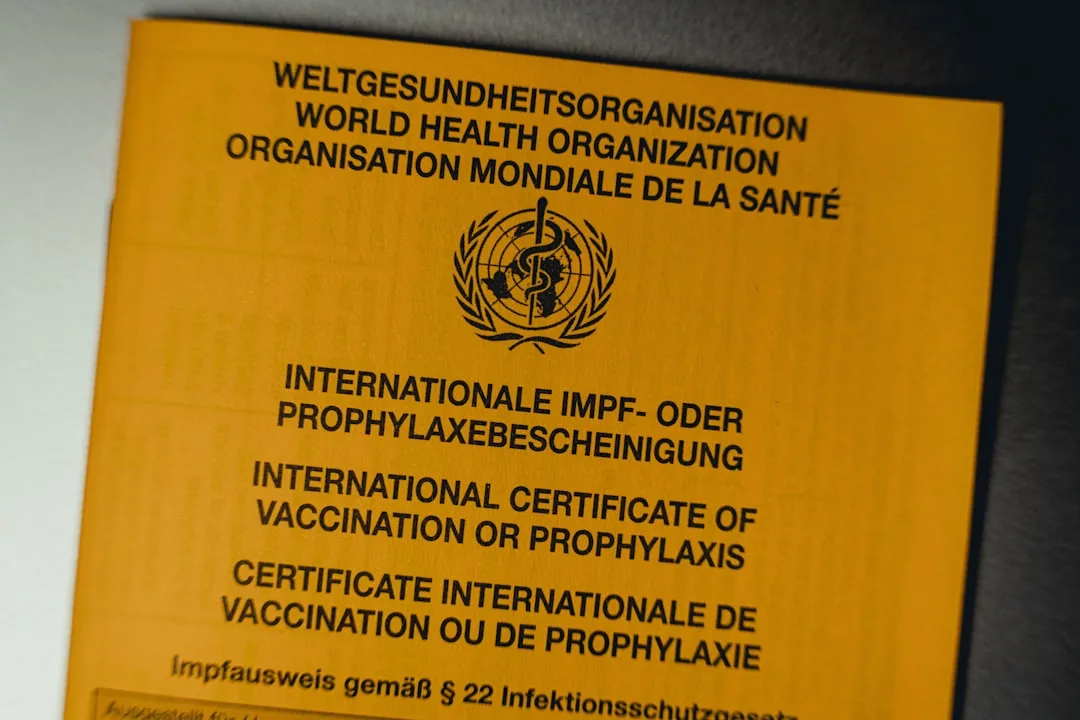
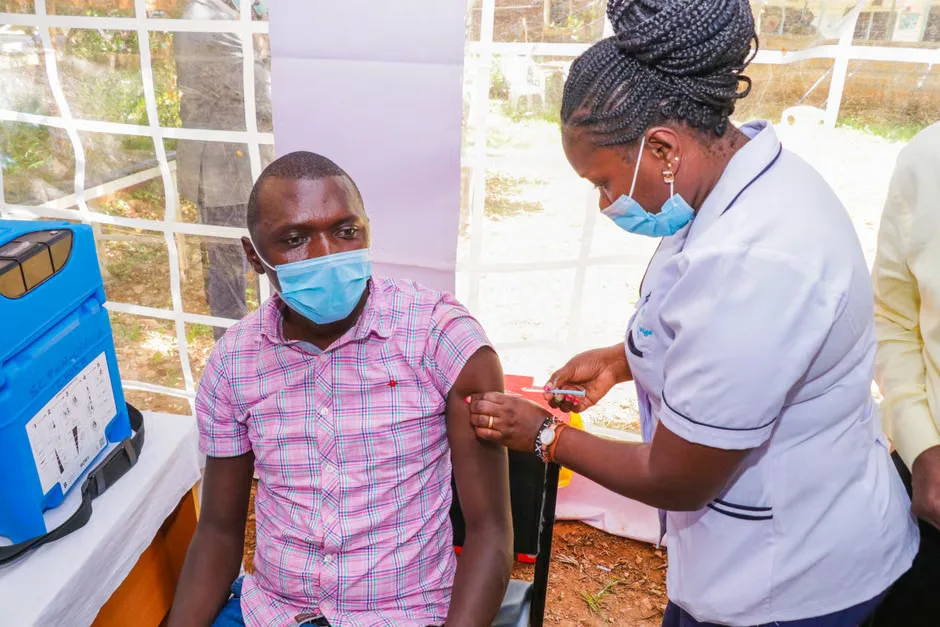
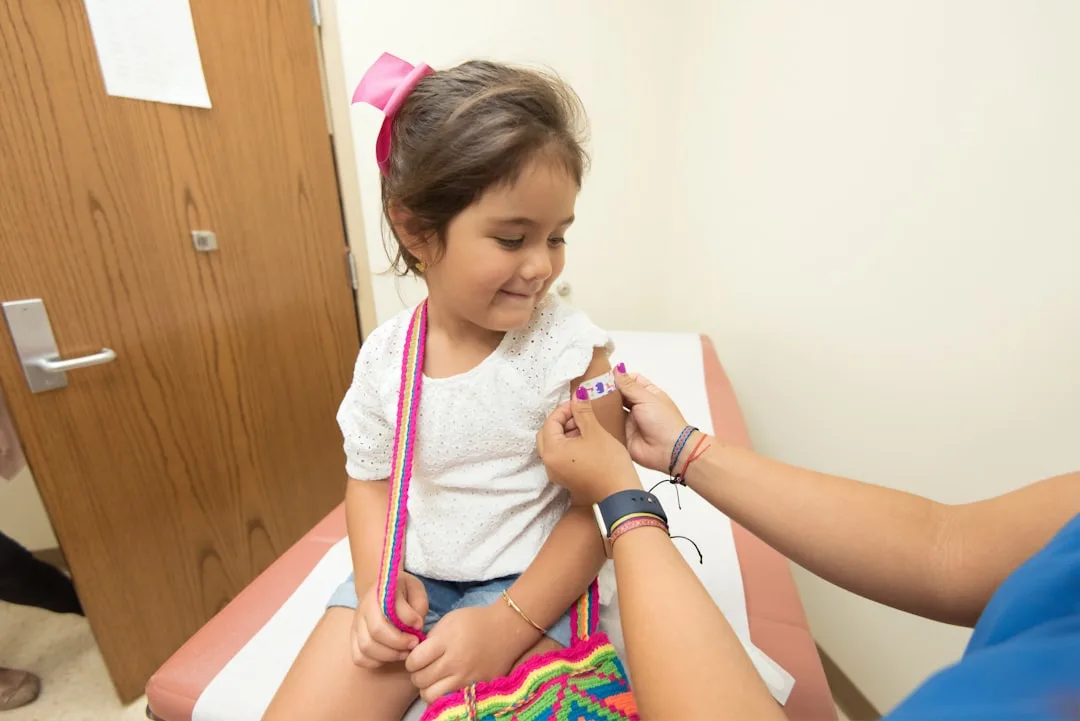
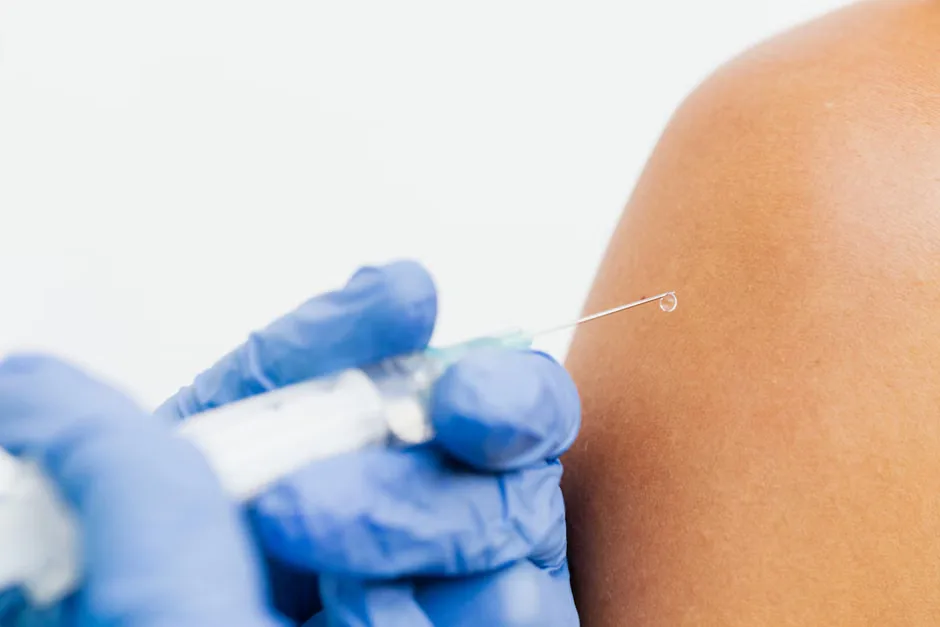
Doctors in Iowa are urging residents to verify whether they have received the measles, mumps and rubella vaccine, commonly known as the MMR vaccine. The vaccine is considered the most effective protection against measles. The Centers for Disease Control and Prevention says two doses of MMR vaccine are about 97% effective at preventing measles, while one dose is about 93% effective.
Children usually receive the first dose between 12 and 15 months of age and a second dose between ages 4 and 6. Adults who are unsure of their vaccination status can check medical records, school immunization records or consult a doctor about whether vaccination or testing for immunity is appropriate.
Measles symptoms usually appear seven to 14 days after exposure. Early symptoms may include high fever, cough, runny nose and red, watery eyes. A rash typically follows, often beginning on the face before spreading downward to the rest of the body.
Complications can be serious, particularly for young children, pregnant people and people with weakened immune systems. Measles can lead to pneumonia, swelling of the brain and, in rare cases, death.
Officials urge caution, not panic
Public health officials have not indicated widespread transmission in Iowa, but a single confirmed measles case can trigger a broad response because of how easily the illness spreads. Residents who develop symptoms after a possible exposure should stay home and call a health care provider or local public health office for guidance.
People who are fully vaccinated generally face a much lower risk of infection and severe disease. Still, officials say the case is a reminder that measles can reappear in communities when vaccination gaps exist or when infected travelers bring the virus into areas where some residents are not immune.
State and local health officials are expected to continue monitoring for additional cases and updating the public as more information becomes available about possible exposure sites and recommended next steps.
Key questions
- What should I do if I may have been exposed to measles in Iowa?
- Monitor for symptoms such as fever, cough, runny nose, red eyes and rash. Call a health care provider or local public health office before going to a clinic so staff can take precautions.
- How effective is the MMR vaccine against measles?
- According to the CDC, two doses of the MMR vaccine are about 97% effective at preventing measles, while one dose is about 93% effective.