Iowa’s first reported measles case of 2026 is drawing renewed attention to a disease once considered largely controlled in the United States, as physicians and public health officials respond to changing vaccination patterns and the risk of wider exposure.
KCCI reported the case, which marks Iowa’s first measles infection of the year. While limited details were immediately available in the report, the development reflects a broader public health reality: Measles can spread quickly when it reaches people who are unvaccinated or not fully protected.
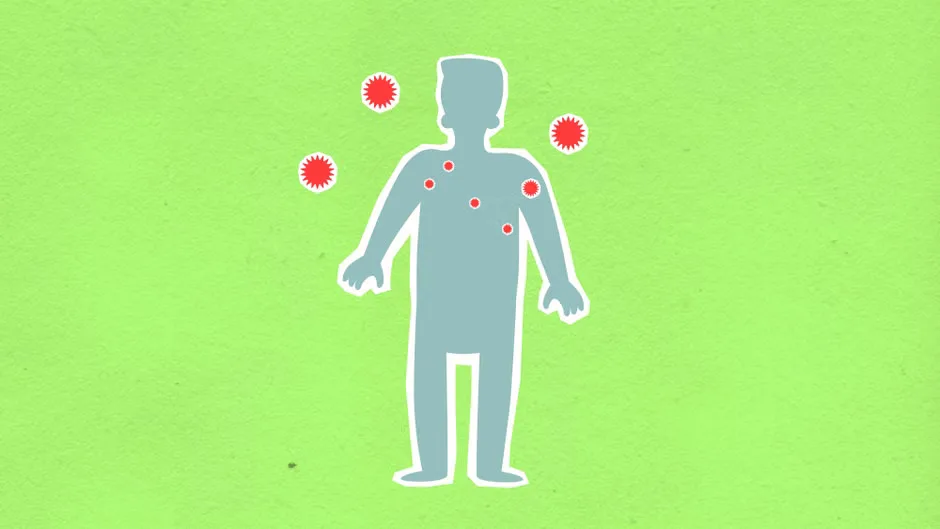
Measles is among the most contagious respiratory illnesses. It spreads through the air when an infected person coughs or sneezes, and the virus can remain in the air or on surfaces for up to two hours after that person has left an area, according to federal health guidance. Symptoms often begin with fever, cough, runny nose and red eyes, followed by a rash that typically spreads from the face to the rest of the body.
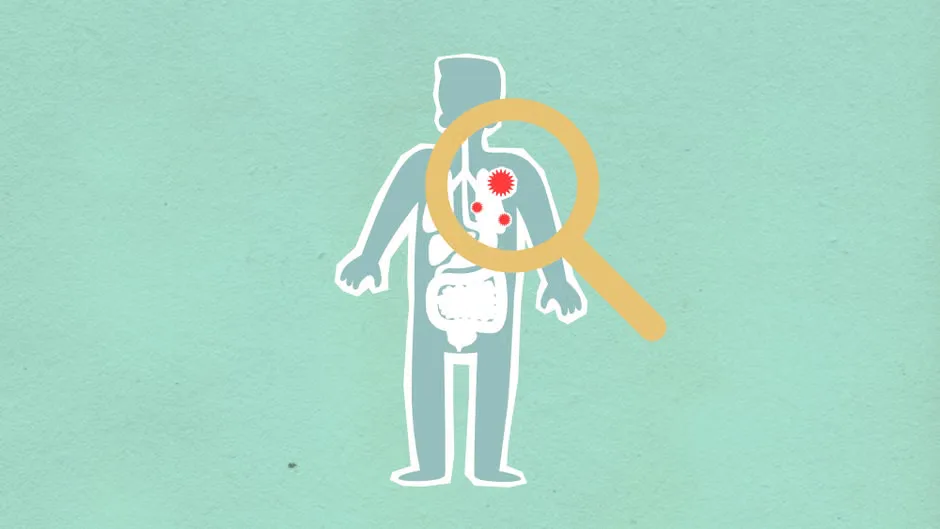
Doctors say the early signs can resemble other respiratory illnesses, which can complicate diagnosis if measles is not immediately suspected. That makes vaccination records, travel history and possible exposure to known cases important pieces of information when evaluating a patient.
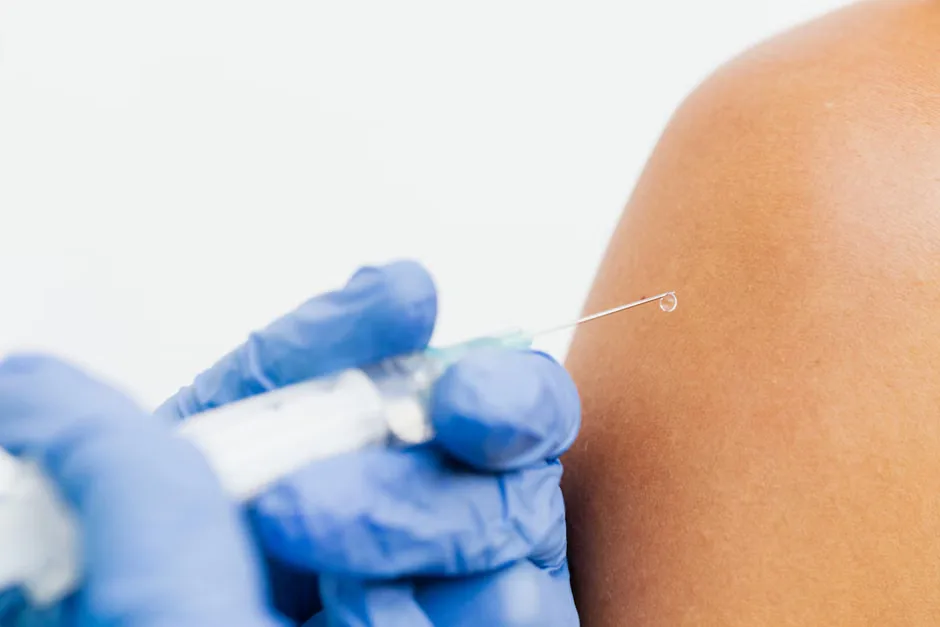
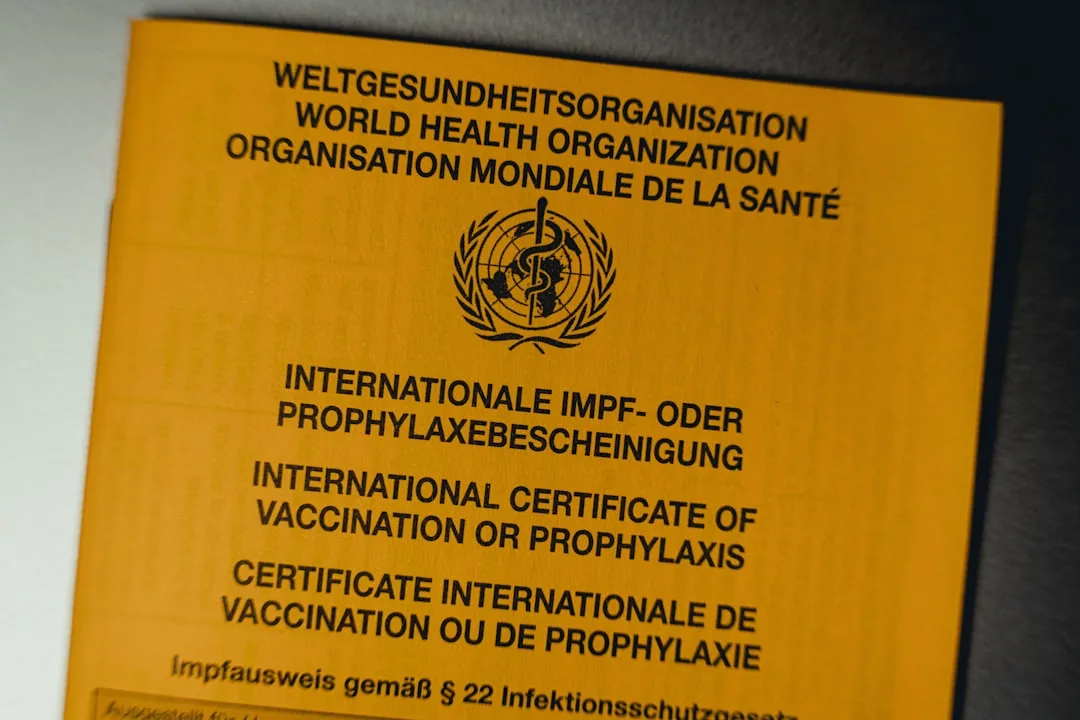
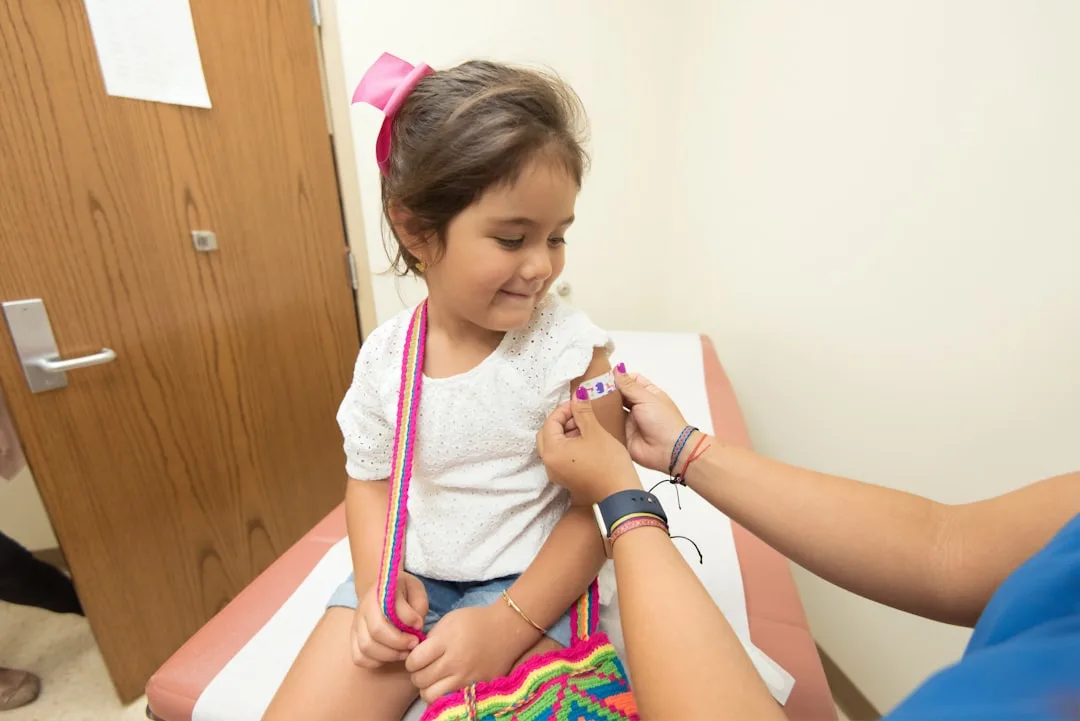
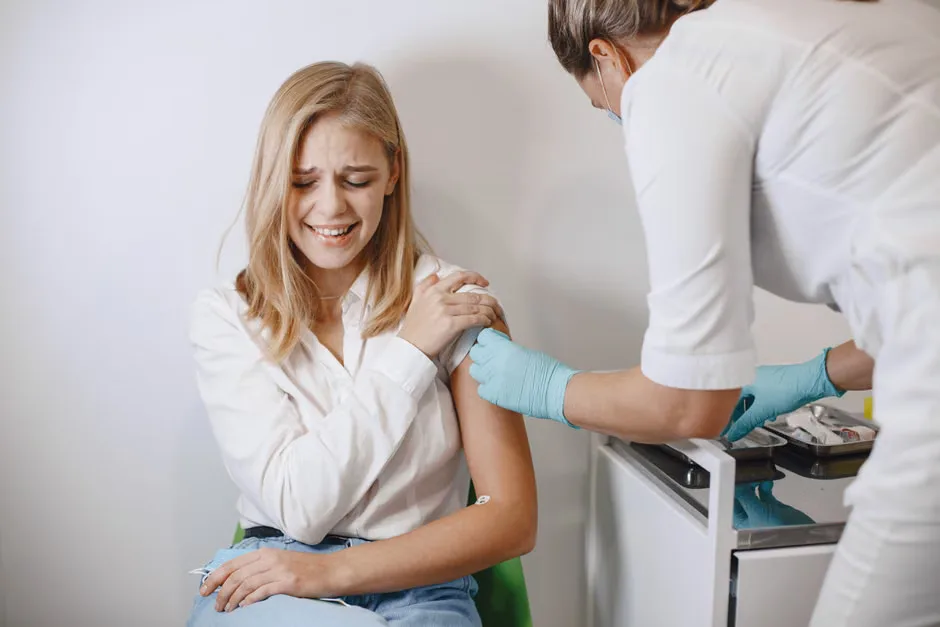
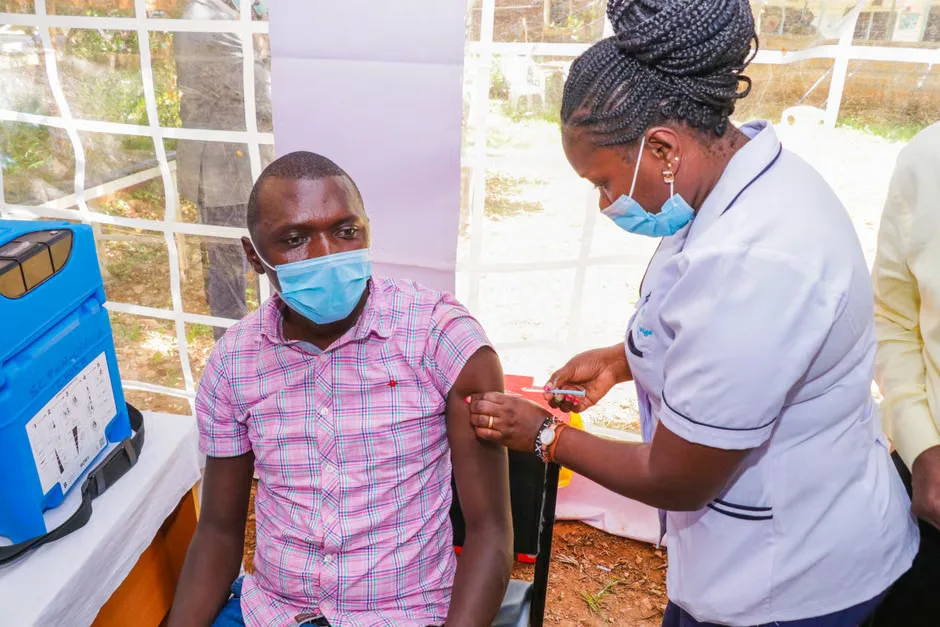
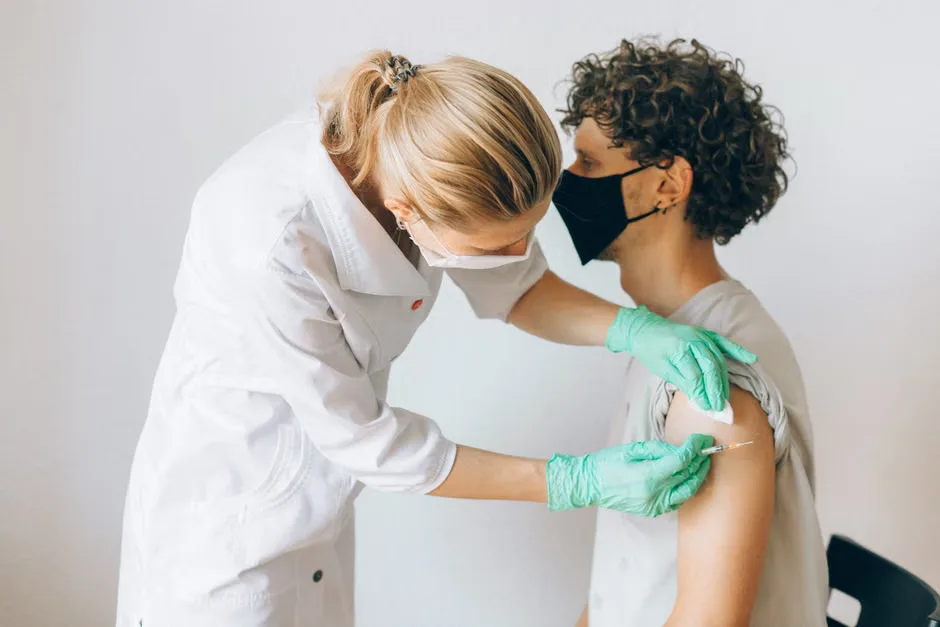
The measles, mumps and rubella vaccine, known as MMR, is considered highly effective. Public health agencies generally recommend two doses for children, with the first typically given after a child’s first birthday and the second before school entry. High vaccination coverage helps protect people who cannot be vaccinated, including some infants and people with certain medical conditions.
Health officials across the country have warned that even small declines in routine immunization can create openings for measles outbreaks. Those concerns have grown in recent years as some communities report lower vaccination rates, delayed childhood checkups and rising vaccine hesitancy.
For local health departments, a measles case can trigger an intensive response. Officials may work to identify people who could have been exposed, notify health care providers, assess vaccination status and advise isolation when necessary. In some situations, people who are not immune may be asked to quarantine or seek post-exposure guidance.
The Iowa case also underscores the pressure on clinicians to recognize diseases that many younger doctors rarely saw during training. Because measles became uncommon after widespread vaccination, a single case can prompt heightened awareness in emergency rooms, clinics and pediatric offices.
Public health experts emphasize that the appearance of one case does not necessarily mean a large outbreak will follow. But they also note that measles requires a swift response because of how easily it spreads, particularly in schools, health care settings and crowded public spaces.
Residents with questions about their vaccination status are encouraged to contact their health care provider or local public health agency. People who develop symptoms consistent with measles should call ahead before visiting a clinic or emergency department so precautions can be taken to reduce potential exposure to others.
Key questions
- What are the common symptoms of measles?
- Measles often begins with fever, cough, runny nose and red eyes, followed by a rash that usually starts on the face and spreads downward.
- How is measles prevented?
- Measles is prevented primarily through vaccination with the MMR vaccine, which public health agencies recommend in two doses for most children.