The World Health Organization said most newly reported Ebola cases are coming from unknown chains of transmission, a sign that health teams still do not have a full picture of how the virus is moving through affected communities.
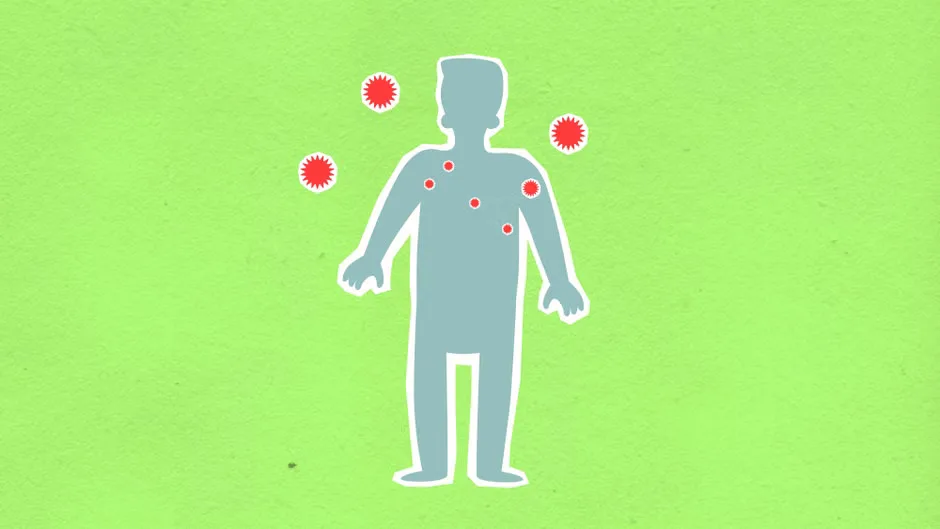
The update points to one of the most difficult phases of any Ebola response: when officials can confirm infections but cannot reliably trace them back to known patients or monitored contacts. That makes it harder to isolate cases quickly, identify exposed people and interrupt further spread.
WHO officials said the pattern suggests ongoing transmission outside the networks already under surveillance. In practical terms, that means some infected people may not be reached in time by response teams, while others may be avoiding care, dying outside treatment centers or moving between communities before they are diagnosed.
Ebola spreads through direct contact with the bodily fluids of an infected person or contaminated materials. Outbreak control usually depends on rapid testing, treatment, safe burials, community reporting and aggressive contact tracing. When a large share of new cases emerges from unknown links, those core tools become less effective because response teams are forced to chase a wider and less visible field of possible exposures.
Public health experts have long warned that insecurity, mistrust and weak health systems can allow Ebola outbreaks to persist even after authorities establish treatment capacity. In some settings, people may delay seeking medical help because of stigma, fear of isolation or concern about losing income. In others, limited transportation and staffing shortages can slow investigations and leave contacts unmonitored.
Tracing gaps raise containment concerns
The WHO update is likely to intensify concern among health partners working to contain the outbreak. Unknown transmission chains can indicate that surveillance is missing cases, especially in remote areas or neighborhoods where health workers have limited access. That raises the possibility that the official case count may not fully capture the extent of spread.
Still, health officials say the presence of unknown links does not mean containment is impossible. Ebola outbreaks have been brought under control before through a mix of community engagement, stronger surveillance, targeted vaccination strategies where available and expanded access to testing and treatment. Officials generally emphasize that trust-building with local communities is as important as laboratory capacity.
The WHO has not suggested that the broader public faces the same level of risk as those in directly affected areas, but the agency’s warning highlights the need for sustained vigilance. For residents in outbreak zones, authorities typically urge anyone with symptoms or known exposure to seek care immediately and cooperate with response teams.
The latest assessment underscores a familiar lesson from past Ebola emergencies: outbreaks become far harder to stop when transmission is no longer clearly mapped. Until health workers can connect more new infections to known contacts and locations, the response is likely to remain under pressure.
Key questions
- What does it mean when Ebola cases come from unknown chains of transmission?
- It means health officials cannot link new infections to previously identified patients or known contacts, making it harder to track and stop the outbreak.
- Why are unknown transmission chains a concern in an Ebola outbreak?
- They can signal gaps in surveillance and contact tracing, which may allow infected people to spread the virus before they are isolated or treated.