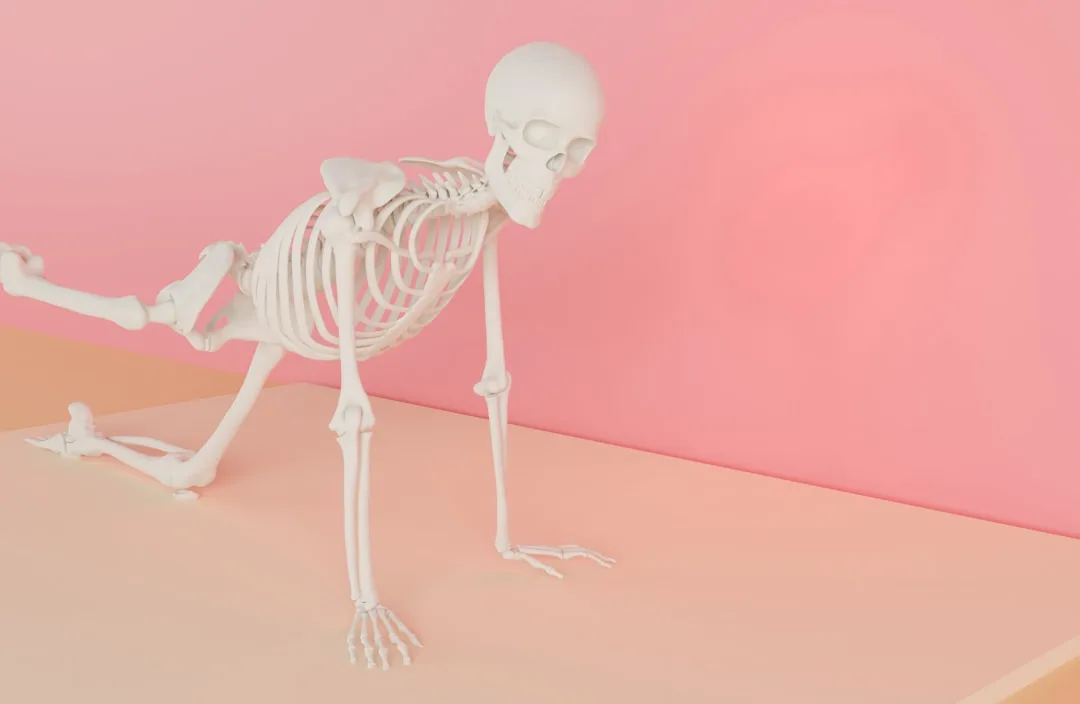
You glance at your reflection and notice it: your head juts forward like a turtle poking out of its shell. Your shoulders round, your upper back hunches, and by midday, your neck aches. This is forward head posture — and it's not just about looks. Over time, it strains your spine, tightens your chest, and can even compress nerves. The good news? You can reverse it with three targeted exercises that take less than 10 minutes a day. No equipment needed, no gym required. Here's how to fix forward head posture and reclaim a pain-free neck.
What Is Forward Head Posture?
Forward head posture (often called “text neck” or “nerd neck”) is when your head sits in front of your shoulders instead of directly above them. For every inch your head moves forward, the weight on your neck muscles doubles. That means a 10–12 pound head can feel like 30–40 pounds of strain. Common causes include prolonged screen time, poor desk setups, and weak deep neck flexors.
Why Most Posture Advice Fails
You've probably heard “pull your shoulders back” or “tuck your chin.” These cues help momentarily, but they don't address the root cause: weak muscles that keep your head aligned and tight muscles that pull it forward. The three exercises below strengthen the right muscles and lengthen the wrong ones, creating lasting change.
The 3 Exercises to Fix Forward Head Posture
1. Chin Tucks (The Foundation)
Purpose: Strengthens the deep neck flexors that hold your head in position. This is the most important exercise for forward head posture.
How to do it:
- Sit or stand with your back straight, shoulders relaxed.
- Place two fingers on your chin.
- Gently pull your chin straight back — imagine making a “double chin.” Do not tilt your head down; keep your eyes level.
- Hold for 5 seconds, then release. You should feel a gentle stretch at the base of your skull.
- Repeat 10 times. Do 2–3 sets per day.
Pro tip: Do this while stopped at red lights or during computer breaks. It's subtle and can be done anywhere.
2. Doorway Chest Stretch
Purpose: Opens tight chest muscles (pectorals) that pull your shoulders and head forward. This is essential for releasing tension.
How to do it:
- Stand in a doorway with your arms bent at 90 degrees, forearms against each side of the doorframe.
- Step one foot forward, keeping your torso upright. Gently lean forward until you feel a stretch across your chest.
- Hold for 30 seconds. Breathe deeply.
- Repeat 2–3 times per side.
Modification: If you feel pinching in your shoulder, lower your arms or reduce the stretch.
3. Wall Angle (Wall Slide)
Purpose: Retrains your upper back to extend and your head to align over your shoulders. This exercise builds endurance and body awareness.
How to do it:
- Stand with your back against a wall, feet about six inches away. Your head, upper back, and tailbone should touch the wall.
- Raise your arms to a “goalpost” position (elbows bent 90°, palms facing forward). Press your forearms and the back of your hands into the wall.
- Slowly slide your arms upward until they are straight overhead, keeping contact with the wall. If your head comes off the wall, you've gone too far.
- Lower back down with control. That's one rep.
- Do 8–10 reps, 2 sets. Focus on keeping your head and back flat against the wall.
Why it works: This exercise opens your front shoulders and strengthens your mid-back extensors, directly countering the hunch.
How to Build a Daily Routine
Consistency beats intensity. Perform these exercises once in the morning and once at night, or scatter them throughout your day. Aim for:
- Chin tucks: 3 sets of 10 (30 seconds total)
- Chest stretch: 2 sets of 30 seconds per side (2 minutes)
- Wall slides: 2 sets of 10 (2 minutes)
Total: about 5 minutes. Do not skip days; forward head posture took years to develop, so give it weeks to reverse.
Ergonomics Tips to Support Your Progress
Exercises fix muscle imbalances, but your environment must stop creating them. Make these adjustments:
- Monitor height: Place the top third of your screen at eye level. Use a stand or books.
- Chair: Sit with your hips slightly higher than your knees, feet flat. Your lower back should have support.
- Phone: Hold it at eye level, not down near your chest.
- Take breaks: Every 30 minutes, stand and do a chin tuck or two.
Common Mistakes to Avoid
- Over-tucking: Don't jam your chin into your throat. The motion is small — you should feel a stretch, not pain.
- Forgetting to breathe: Many people hold their breath during stretches. Exhale as you stretch deeper.
- Expecting overnight results: You may feel relief in days, but structural change takes 4–6 weeks of daily practice.
Disclaimer: This article is for general educational purposes only and is not a substitute for personalized medical advice. If you have chronic neck pain, injury, or a spinal condition, consult a licensed healthcare professional before starting any exercise program.
Frequently Asked Questions
How long does it take to fix forward head posture?
With daily practice of these exercises, you may notice reduced tension in a week. However, permanent alignment changes typically require 4 to 6 weeks of consistent effort. Stick with it — your neck muscles need time to strengthen and adapt.
Can I do these exercises at work?
Absolutely. Chin tucks can be done discreetly at your desk. For the chest stretch, you can use a door frame during a break. Wall slides require a wall, but you can find a spot near a hallway. The key is to do them multiple times throughout the day.
Will fixing forward head posture make me look taller?
Yes. When your head aligns over your shoulders, your spine regains its natural curve, which can add an inch or two to your perceived height. Your silhouette will appear longer and more confident.
What if I feel pain doing these exercises?
Mild discomfort from stretching is normal, but sharp or shooting pain is not. If you experience pain, stop the exercise and consult a physical therapist or doctor. You may have an underlying issue that needs professional assessment.
Key Takeaways
- Forward head posture is caused by weak deep neck flexors and tight chest muscles.
- Three exercises — chin tucks, chest stretch, and wall slides — directly correct the imbalance.
- Perform them daily for 5 minutes; see improvement in weeks.
- Fix your screen ergonomics to prevent recurrence.
- Stop any exercise that causes sharp pain and seek medical advice if needed.