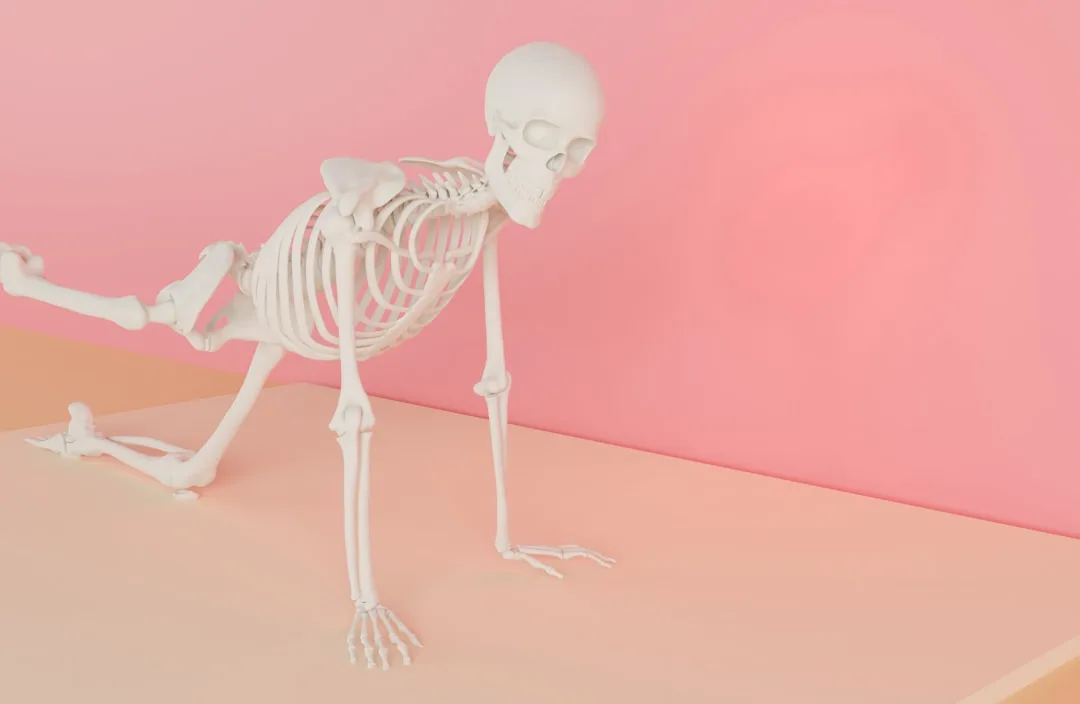
Bone thinning, often linked to osteopenia and osteoporosis, can develop gradually and without clear warning signs. Health experts say that is why people who are worried about weakening bones should focus on early assessment and prevention rather than waiting for pain or a fracture to signal a problem.
Specialists generally recommend starting with a review of personal risk factors. Age is one of the biggest drivers of bone loss, particularly after midlife. Family history, low body weight, smoking, heavy alcohol use, certain medications and hormonal changes can also raise the likelihood of reduced bone density. Women, especially after menopause, face a higher risk, though men can also develop osteoporosis and are sometimes diagnosed later.
Doctors say a conversation with a primary care clinician can help determine whether testing is needed. The most common screening tool is a bone density scan, often called a DEXA scan, which measures bone strength and helps identify whether a patient has normal bone density, low bone mass or osteoporosis. Screening decisions typically depend on age, sex, medical history and prior fractures.
What experts recommend
Experts emphasize that lifestyle measures play a major role in protecting bone health. Weight-bearing exercise such as walking, jogging, dancing and stair climbing helps stimulate bone maintenance. Resistance training, including lifting weights or using resistance bands, can also support bone and muscle strength. Balance-focused activities may further lower the risk of falls, which are a major cause of fracture in older adults.
Nutrition is another central part of prevention. Clinicians often advise patients to get enough calcium and vitamin D, either through food or supplements when needed. Dairy products, fortified foods, leafy greens and some fish can contribute to calcium intake, while vitamin D may come from fortified foods, sunlight exposure and supplements. Experts caution that people should ask a clinician before starting supplements, since needs vary and excessive intake may carry risks.
Medical professionals also urge patients to avoid smoking and limit alcohol use, both of which can weaken bones over time. For people found to have significant bone loss, clinicians may discuss prescription medications designed to slow bone breakdown or improve bone strength. Treatment decisions are usually based on scan results, age, fracture history and overall risk profile.
Experts note that bone health is not only about density. Preventing fractures also means reducing fall risk at home and addressing related issues such as poor vision, muscle weakness or medications that cause dizziness. In that sense, a bone health plan may include home safety changes, physical therapy or a broader review of overall health.
Because bone thinning often progresses silently, specialists say the best response to concern is not panic but evaluation. A timely discussion with a health care provider, paired with targeted exercise, balanced nutrition and risk-based screening, can help people better understand their bone health and take steps to protect it.
Key questions
- What are common signs of bone thinning?
- Bone thinning often has no obvious symptoms at first. In many cases, people learn they have low bone density after a screening test or after a fracture occurs.
- What can people do to reduce osteoporosis risk?
- Experts generally recommend weight-bearing and resistance exercise, enough calcium and vitamin D, avoiding smoking, limiting alcohol and discussing screening needs with a health care provider.