U.S. health officials are once again tracking a rise in illnesses caused by cyclospora, a microscopic parasite that can trigger cyclosporiasis, an intestinal infection known for causing severe, sometimes sudden bouts of watery diarrhea. While recent headlines have focused on growing case counts in some states, the pattern is familiar: past outbreaks have often been linked to contaminated fresh produce, and identifying the exact source can take time.
Cyclospora cayetanensis spreads when people consume food or water contaminated with the parasite. Unlike some other gastrointestinal pathogens, cyclospora is not typically passed directly from one person to another because the organism usually needs time in the environment to become infectious. That has made investigators look closely at supply chains, farms, irrigation sources and food-handling conditions when clusters emerge.
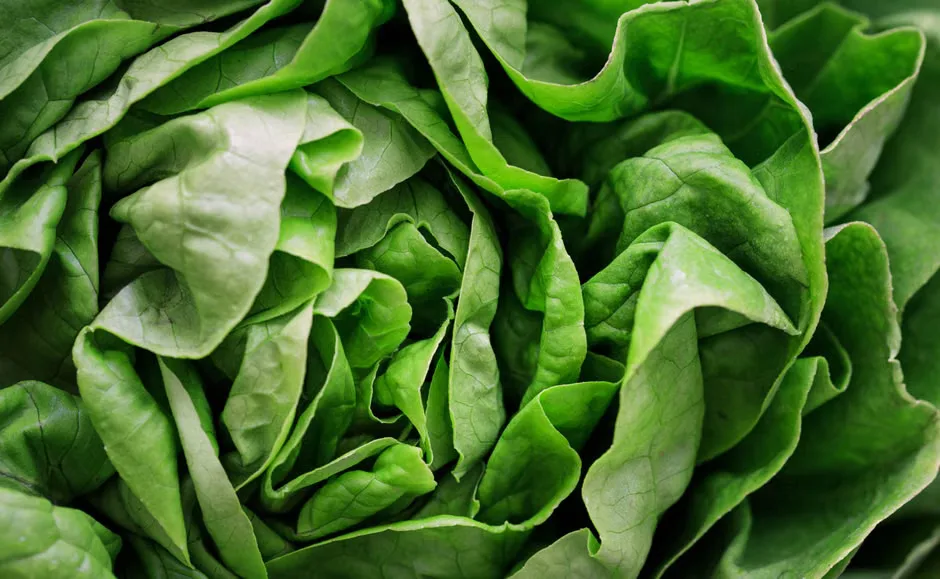
In prior U.S. outbreaks, federal and state investigators have connected illnesses to items such as bagged salads, basil, cilantro, snow peas and imported berries. Multiple summertime outbreaks over the past decade have been tied to produce consumed raw, especially foods that are difficult to wash thoroughly or that pass through complex distribution networks before reaching restaurants and grocery stores.
Public health agencies have also warned that tracing cyclospora can be challenging because symptoms may not start right away. People often become sick about a week after exposure, though timing can vary. Common symptoms include frequent watery diarrhea, loss of appetite, stomach cramps, bloating, nausea, fatigue and weight loss. In some cases, illness can linger for days or even weeks if untreated, and symptoms may appear to improve before returning.
Why outbreaks can be hard to track
Officials usually rely on patient interviews, laboratory testing and purchase histories to identify shared exposures. But many people do not remember exactly what they ate days earlier, particularly when the suspected foods were ingredients in salads, party trays or restaurant meals. Produce is also often mixed from multiple farms or regions, making traceback investigations more complicated.
Health experts say cyclospora is not limited to one type of food. Although fresh produce remains the most common concern, contamination can occur at different points before a product reaches consumers. That is one reason outbreaks can span several states and involve thousands of reported cases before a source is confirmed.
What people should do
Anyone with prolonged diarrhea or other symptoms consistent with cyclosporiasis should contact a health care provider. The illness can be treated, and testing may help public health officials determine whether cases are part of a wider outbreak. People with weakened immune systems, older adults and those who become dehydrated may face higher risks from prolonged gastrointestinal illness.
Consumers can reduce risk by washing produce, practicing good kitchen hygiene and paying attention to public health alerts and recalls. Still, experts note that rinsing alone may not fully remove cyclospora from contaminated foods. As investigations continue, health officials are likely to focus on familiar questions from past outbreaks: what people ate, where it was sourced and whether a common ingredient connects the cases.
Key questions
- What is cyclospora?
- Cyclospora is a microscopic parasite that causes cyclosporiasis, an intestinal illness usually linked to contaminated food or water.
- What are common symptoms of cyclosporiasis?
- Common symptoms include watery diarrhea, stomach cramps, nausea, bloating, fatigue, loss of appetite and weight loss, with symptoms sometimes lasting for weeks if untreated.