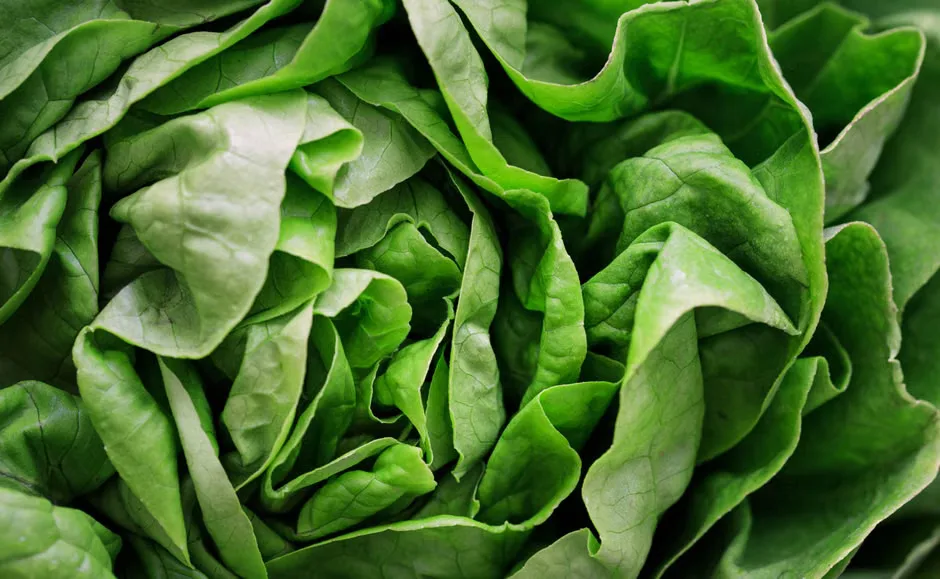
A multistate outbreak of cyclosporiasis linked to lettuce and other salad greens has surpassed 3,000 reported cases in the United States, according to health officials tracking the spread of the intestinal illness. The outbreak has affected people across more than half of the country, renewing concern about foodborne parasites in fresh produce.
Cyclosporiasis is caused by the microscopic parasite Cyclospora cayetanensis. People can become infected after consuming contaminated food or water, and symptoms often include watery diarrhea, loss of appetite, weight loss, stomach cramps, bloating, nausea and fatigue. In some cases, symptoms can linger for days or even weeks, particularly without treatment.
Michigan health officials have said some illnesses may be associated with lettuce and salad greens, adding to a broader investigation into the source of the outbreak. Federal and state agencies have been working to determine whether a specific product, supplier or distribution chain is responsible for the rise in cases.
Because fresh produce is often eaten raw, contamination can be especially difficult to manage once products reach consumers. Public health experts say rinsing produce is a helpful food-safety step, but washing alone may not fully remove Cyclospora. That makes tracing the source of contamination critical to preventing additional illnesses.
What people should know
Symptoms of cyclospora infection may not appear immediately. Illness typically begins about a week after exposure, though timing can vary. The most commonly reported sign is frequent, watery diarrhea, but some people also experience vomiting, body aches, headaches or a low-grade fever. Others may have no symptoms at all.
Doctors can diagnose cyclosporiasis through stool testing, though specialized laboratory tests may be needed. The illness is generally treated with antibiotics. Health officials advise anyone with severe or persistent diarrhea, signs of dehydration, or symptoms after recently eating fresh salad products to contact a medical provider.
Investigators have not always been able to identify a single source early in Cyclospora outbreaks, in part because patients may have eaten many foods before becoming sick. Interviews with patients, supply-chain reviews and laboratory analysis are often needed to connect illnesses to a particular ingredient or growing region.
The current outbreak is the latest reminder of the challenges tied to food safety in fresh produce. Consumers are being encouraged to follow public health updates, discard recalled products if any are identified, and seek care if symptoms become prolonged or severe. Restaurants, retailers and food distributors are also being urged to review sourcing and handling practices as the investigation continues.
For now, health authorities say awareness remains one of the most important tools. As case counts rise, officials are continuing to monitor reports nationwide and work to pinpoint the exact path of contamination linked to lettuce and salad greens.
Key questions
- What is cyclosporiasis?
- Cyclosporiasis is an intestinal illness caused by the parasite Cyclospora cayetanensis. It often leads to watery diarrhea, stomach cramps, nausea and fatigue after contaminated food or water is consumed.
- Can washing lettuce remove Cyclospora?
- Washing lettuce and salad greens may reduce some contamination, but health experts say it may not fully remove Cyclospora. Consumers should monitor public health alerts and discard any recalled products.