Cyclospora infections are rising across the United States, but Massachusetts is likely to see fewer cases than Midwestern states, according to a Tufts University physician. The expert spoke with WCVB earlier this week as health officials monitor the ongoing outbreak.
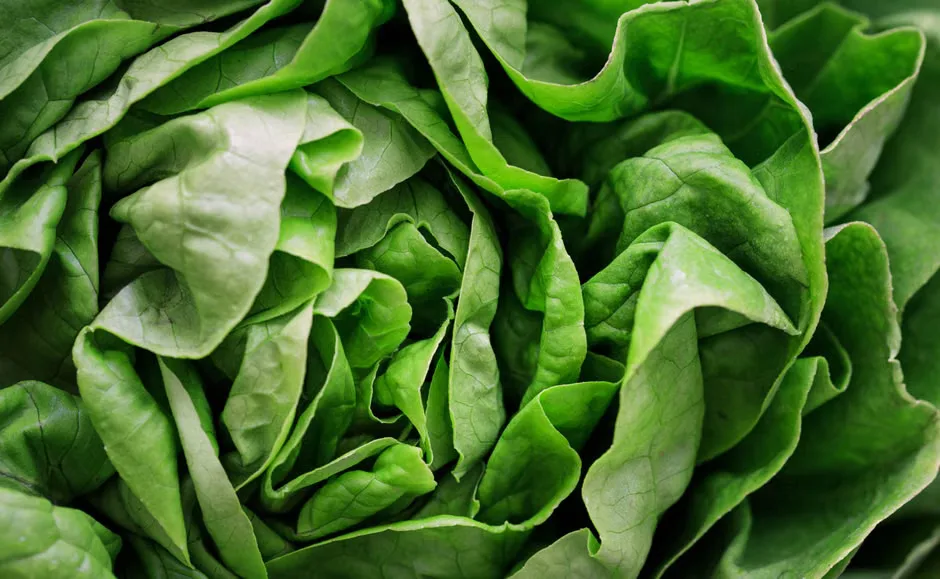
Cyclosporiasis, the illness caused by the parasite Cyclospora cayetanensis, typically spreads through contaminated fresh produce such as lettuce, basil, and imported berries. The Centers for Disease Control and Prevention reported more than 2,000 confirmed cases nationwide in 2023, marking a significant increase over previous years (CDC).
According to Dr. Maria Lopez, an infectious disease specialist at Tufts Medical Center, the parasite’s complex life cycle makes it difficult to pinpoint a single food source, which complicates outbreak investigations. She emphasized that thorough washing of produce and staying informed about public health alerts remain the best preventive measures.
Analysis shows that the current surge in Cyclospora cases aligns with seasonal patterns seen in past summers, when warmer temperatures favor parasite survival on crops. Epidemiologists note that while the Midwest often reports higher numbers due to larger agricultural distribution networks, New England’s stricter irrigation testing may limit exposure.
Further analysis indicates that most infections result from consuming raw or lightly cooked vegetables that have not been adequately treated with sanitizing agents. Public health labs are increasing genetic sequencing of isolates to trace potential clusters, though many cases remain sporadic without a clear common source.
Looking ahead, health officials anticipate that case counts will begin to decline as the growing season ends and cooler temperatures reduce parasite viability. Continued surveillance and rapid reporting from clinics will be essential to detect any resurgence early.
Evergreen background on Cyclospora reveals that the parasite is endemic in tropical and subtropical regions, with travelers sometimes bringing it back to the United States. Symptoms include watery diarrhea, stomach cramps, and fatigue, often lasting weeks if untreated, and the standard treatment is a course of trimethoprim-sulfamethoxazole.
Understanding Cyclospora Risks
Although the exact vehicle-specific foodborne outbreaks attract headlines, most Cyclospora infections in the U.S. are linked to imported produce rather than locally grown fruits and vegetables. Consumers can reduce risk by purchasing produce with clear origin labels, rinsing items under running water, and, when possible, choosing cooked options during peak outbreak months.
Key questions
- What is Cyclospora and how does it spread?
- Cyclospora is a microscopic parasite that causes the intestinal illness cyclosporiasis. It spreads when people ingest food or water contaminated with feces containing the parasite, most often linked to fresh produce such as lettuce, berries, and herbs.
- Why is it difficult to trace the source of a Cyclospora outbreak?
- The parasite has a complex life cycle that requires time outside the host to become infectious, making it hard to connect illnesses to a specific food item or event. Additionally, many cases are sporadic, and contaminated produce may have been distributed widely before symptoms appear.