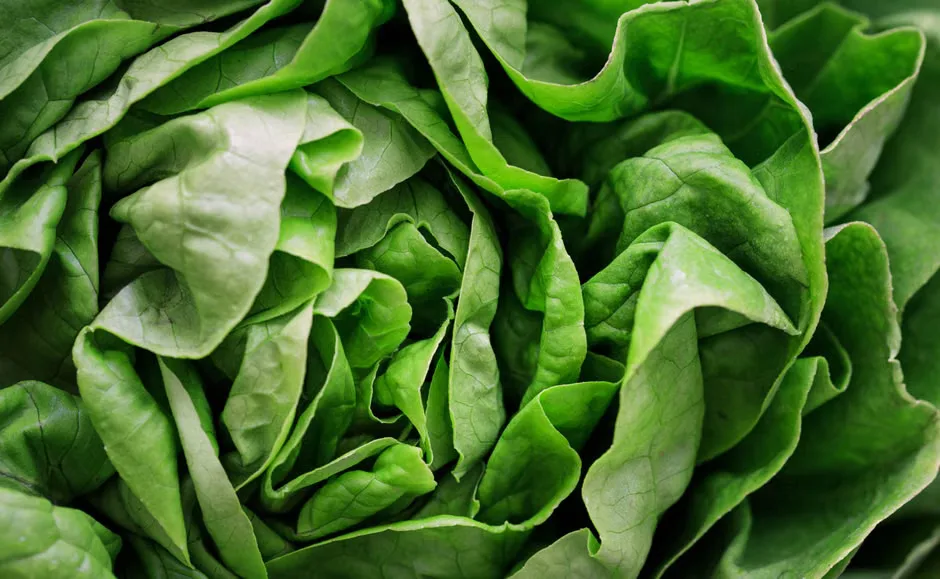
Health officials across the United States are tracking an increase in cyclospora infections, a seasonal foodborne illness caused by a microscopic parasite that can trigger severe and sometimes prolonged diarrhea. Investigators are working to determine whether some recent cases are tied to fresh produce, including lettuce or salad greens, though the exact source of all illnesses has not been confirmed.
Cyclospora, formally known as Cyclospora cayetanensis, spreads when food or water is contaminated with the parasite. Unlike some other stomach bugs, it is not typically passed directly from one person to another because the parasite needs time in the environment to become infectious. Outbreaks in the United States have often been associated with imported fresh produce such as leafy greens, herbs and berries.
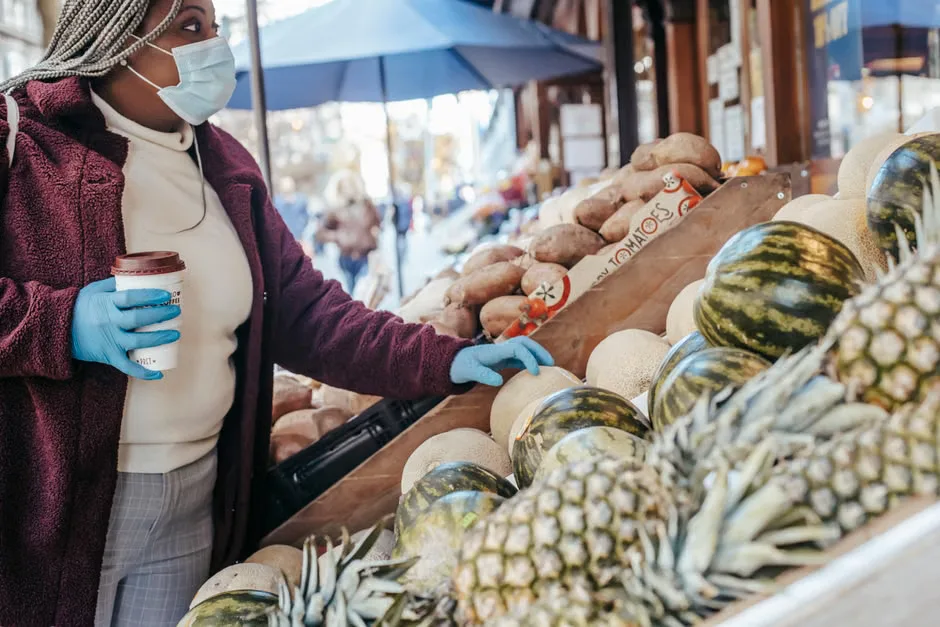
The latest reports have renewed consumer concerns about whether it is safe to eat fruits and vegetables. Public health experts say the answer is yes, but with caution. Fresh produce remains an important part of a healthy diet, and officials are not advising people to avoid it altogether. Instead, they recommend focusing on safe handling practices while investigators continue tracing potential sources.
What consumers should know
Washing produce under running water can help reduce dirt and some surface contamination, but experts caution that it may not fully remove cyclospora. That is one reason outbreaks tied to raw produce can be difficult to prevent at home. Even so, rinsing fruits and vegetables, refrigerating perishables promptly, washing hands before food preparation and avoiding cross-contamination in the kitchen are still advised.
People at higher risk of dehydration or complications, including older adults, young children and those with weakened immune systems, should be especially alert to symptoms. Cyclospora infection, known as cyclosporiasis, can cause watery diarrhea, loss of appetite, stomach cramps, bloating, nausea, fatigue and weight loss. Symptoms may last for days or even weeks if untreated, and some patients experience relapses.
Doctors can diagnose the infection through stool testing, and it is typically treated with prescription antibiotics. Anyone with persistent diarrhea, signs of dehydration or symptoms that do not improve should seek medical care. Public health officials also encourage patients to report what they ate in the days before becoming sick, since those details can help identify a common source.
Tracing cyclospora outbreaks is often challenging because produce moves through complex supply chains and many people cannot recall exactly what they ate. By the time illnesses are identified, the suspected food may no longer be available for testing. That can leave investigators with strong clues but limited certainty.
For now, experts say consumers should stay informed, follow food-safety guidance and monitor local health alerts or recalls. The current rise in cases is a reminder that fresh produce can occasionally carry risks, but health authorities stress that most fruits and vegetables remain safe to eat and continue to offer important nutritional benefits.
Key questions
- Is it still safe to eat fresh produce during a cyclospora outbreak?
- Health experts say people do not need to stop eating fresh produce, but they should follow food-safety steps such as rinsing fruits and vegetables, washing hands and watching for recalls or local health alerts.
- What are the symptoms of cyclospora infection?
- Common symptoms include watery diarrhea, stomach cramps, bloating, nausea, fatigue, loss of appetite and weight loss. Symptoms can last for weeks and may require prescription treatment.