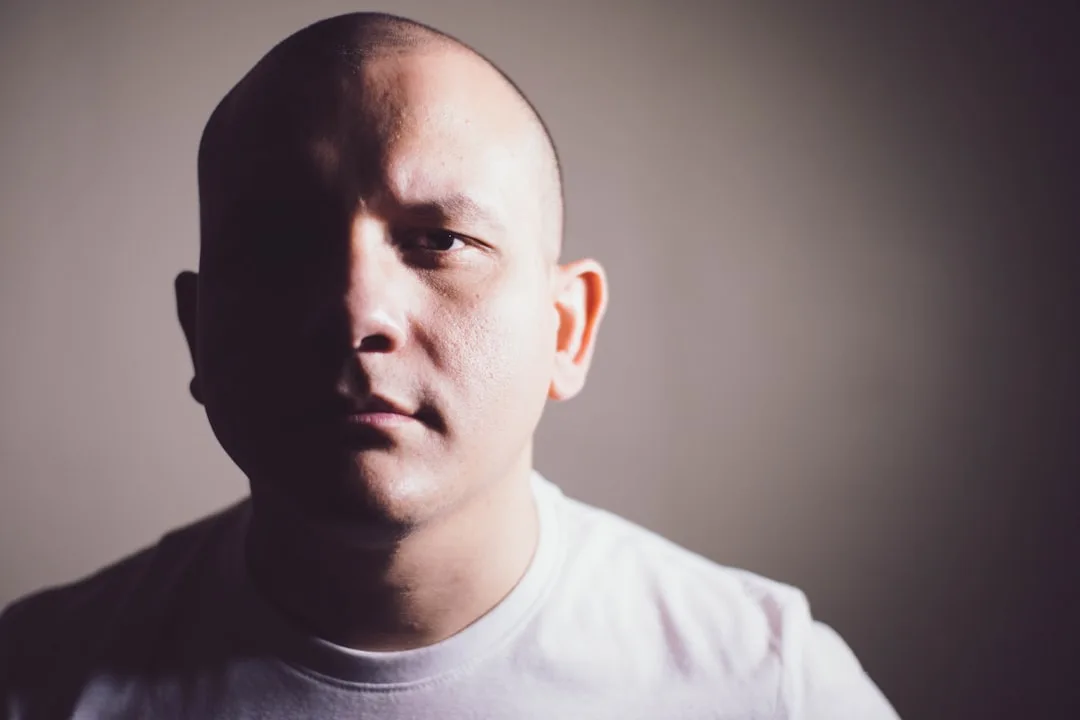
A new health-focused report is drawing attention to an unusual question: Could being bald come with a small health upside?
The idea, highlighted in coverage picked up through Google News Health, centers on whether having less or no hair on the scalp may increase direct sun exposure and, in some cases, support vitamin D production. That possibility has helped fuel renewed interest in the broader relationship between baldness, sunlight and overall health.
Still, medical experts say the topic needs careful framing. While sunlight helps the body produce vitamin D, unprotected exposure is also a well-established risk factor for sunburn, premature skin aging and several forms of skin cancer. For people with bald or closely shaved heads, that risk can be especially pronounced because there is less natural coverage protecting the scalp.
Possible benefit comes with clear tradeoffs
Dermatologists have long warned that the scalp is one of the easiest places to miss when applying sunscreen. People with thinning hair or complete hair loss may get more direct ultraviolet exposure than those with thicker hair, which can make the area more vulnerable to damage over time.
At the same time, the same increased exposure could theoretically contribute to vitamin D synthesis. But doctors caution that this does not make baldness a health strategy, nor does it mean more sun is inherently better. Vitamin D can also be obtained through food, supplements and brief, sensible sun exposure tailored to skin type and local conditions.
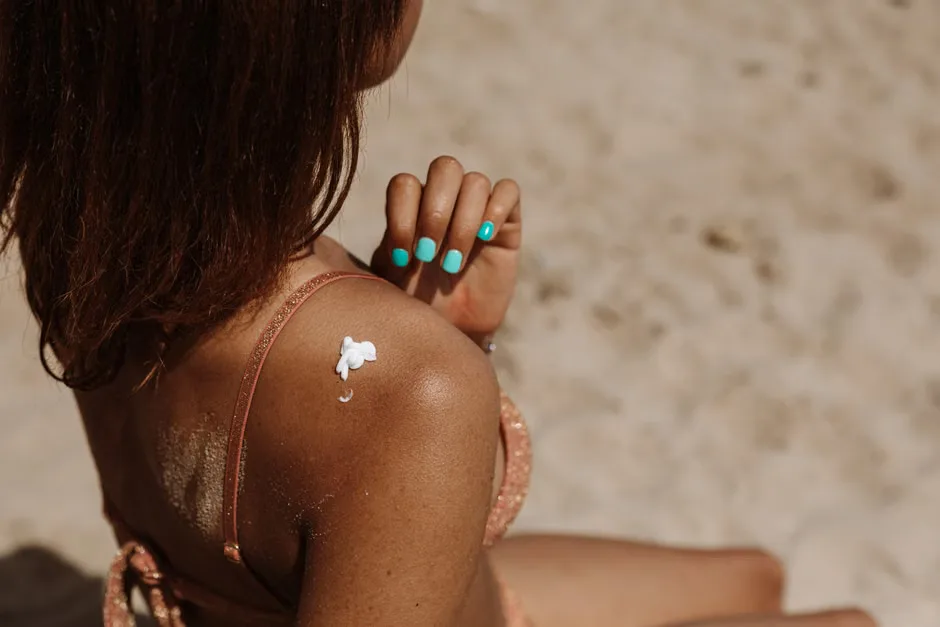
Public health guidance remains consistent: protect skin first. That means using broad-spectrum sunscreen, wearing hats when outdoors for extended periods and checking the scalp regularly for new spots, discoloration or lesions that do not heal.
What specialists want people to remember
Experts say the larger takeaway is not that baldness itself improves health, but that body changes can affect how people manage prevention. For bald individuals, the scalp should be treated as a high-priority area for sun safety. Even on cloudy days, ultraviolet rays can reach exposed skin.
Regular self-checks can also matter. Skin cancers on the scalp can be harder to notice early, particularly on the back or crown of the head. Dermatologists generally recommend seeking medical attention for any mole or patch that changes in size, shape or color, bleeds, crusts or becomes painful.
The discussion also touches on a broader shift in health coverage, where seemingly cosmetic traits are increasingly examined through a medical lens. Hair loss can have emotional and psychological effects, but it may also influence skin care routines, sun exposure habits and the need for screening.
For now, specialists say the message should stay balanced. If baldness offers any incidental benefit related to sunlight, it is limited and highly dependent on context. The more immediate and proven issue is protecting exposed skin and reducing long-term damage.
In short, a bald scalp may receive more sun, but that is not a free health advantage. The safest approach is to focus on prevention, monitor skin changes and discuss any concerns about vitamin D or scalp health with a qualified clinician.
Key questions
- Does being bald improve health?
- Not in any broad or proven way. Some discussion has focused on whether a bald scalp gets more sunlight that could support vitamin D production, but experts say the established risks of ultraviolet exposure are more important.
- Why should bald people be more careful in the sun?
- A bald or closely shaved scalp has less natural coverage, which can increase the chance of sunburn and long-term sun damage. Dermatologists recommend sunscreen, hats and regular scalp skin checks.