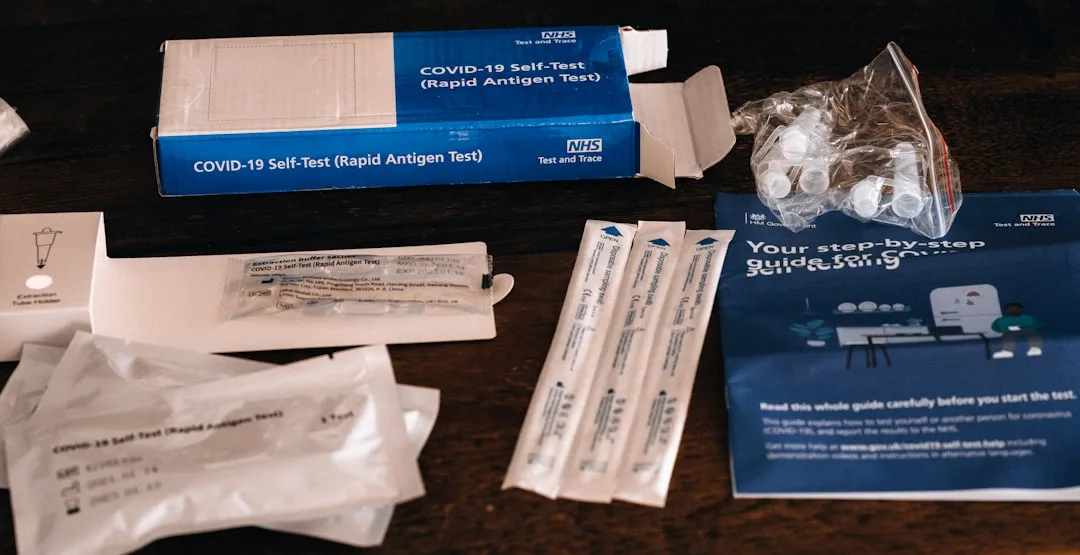
Health officials are urging people in their 50s to complete free bowel cancer screening kits after figures showed that just over half of 54-year-olds returned the at-home tests when invited.
The appeal is aimed at improving early detection of one of the most common cancers. Screening kits are sent through the mail and can be completed at home before being posted back to a laboratory. The test looks for tiny traces of blood in a stool sample that may not be visible.
Officials said the process is simple and private, but many kits are still left unused. They are encouraging recipients not to ignore the envelope when it arrives and to ask for help if they are unsure how to complete the test.
Why screening matters
Bowel cancer can develop without obvious symptoms, especially in its early stages. Screening is designed to identify possible warning signs before someone feels unwell. A result that needs further investigation does not mean a person has cancer, but it can lead to additional tests that help doctors find problems earlier.
Doctors say early diagnosis can make treatment more effective and may reduce the need for more intensive care later. Health services have been expanding bowel cancer screening to younger age groups, including more people in their 50s, after years in which routine invitations were focused mainly on older adults.
The test commonly used is known as a faecal immunochemical test, or FIT. It requires a small sample that is collected with a stick provided in the kit. The sample is sealed and returned in prepaid packaging. Results are then sent to the patient, with follow-up arranged if needed.
Symptoms should not be ignored
Health officials also stressed that screening is not a substitute for seeking medical advice about symptoms. Anyone who notices blood in their stool, a persistent change in bowel habits, unexplained weight loss, ongoing abdominal pain or unusual tiredness should contact a doctor, even if they recently had a normal screening result.
Some people may feel embarrassed about bowel symptoms or about completing the kit, but clinicians say the test is routine and could be lifesaving. Public health campaigns have increasingly tried to reduce stigma by emphasizing that bowel screening is a normal part of preventive care.
People who receive a kit are advised to complete it as soon as possible and to follow the instructions carefully. Those who have misplaced a kit or believe they should have received one can contact the screening service or speak with their GP practice for guidance.
The latest warning highlights a recurring challenge for health systems: screening programs can only work if people take part. Officials said increasing participation among people in their 50s is a priority as the program reaches younger groups who may not yet think of themselves as being at risk.
Key questions
- What does a bowel cancer screening kit test for?
- The at-home FIT kit checks a stool sample for tiny traces of blood that may not be visible and could indicate the need for further tests.
- Should someone with symptoms wait for a screening kit?
- No. Anyone with symptoms such as blood in their stool, persistent bowel changes, unexplained weight loss or ongoing abdominal pain should contact a doctor even if they are not due for screening.