Martha Lillard, a polio survivor widely identified as the last person in the United States still relying on an iron lung, has died after the decades-old machine that helped her breathe began to fail, according to published reports.
Lillard had lived for decades with the effects of paralytic polio, a disease that can damage the nerves that control muscles used for breathing. Her case became a reminder of an era when outbreaks left thousands of children and adults with lifelong disabilities before vaccination sharply reduced the threat.
Reports said Lillard’s iron lung had been breaking down and that family members and supporters were unable to find someone who could repair it. It was not immediately clear whether the mechanical problems directly contributed to her death, but the situation underscored the fragility of depending on medical technology that is no longer commonly made, serviced or supported.
A machine from another era
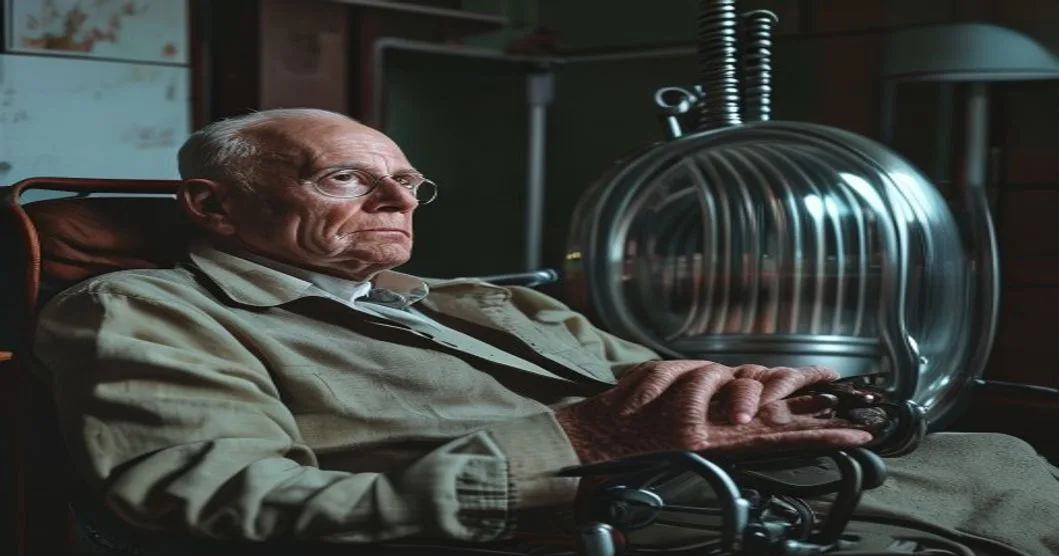
An iron lung is a negative-pressure ventilator that encloses most of a person’s body while leaving the head outside. By changing air pressure around the chest and abdomen, the device helps draw air into and out of the lungs. The machines became a symbol of mid-20th-century polio wards, where patients with severe paralysis needed help breathing.
Modern ventilators are smaller and operate differently, and most people who need respiratory support today use equipment that can be maintained through contemporary supply chains. Iron lungs, by contrast, are rare. Parts can be difficult to find, and technicians familiar with the devices have largely disappeared as the machines have fallen out of use.
Polio was once among the most feared childhood diseases in the United States. Vaccines introduced in the 1950s and 1960s helped drive down cases, and wild poliovirus no longer circulates in the country. Health officials still urge vaccination because the virus can spread in undervaccinated communities and because vaccine-derived poliovirus has caused outbreaks in some parts of the world.
Lillard’s life also drew attention to the long-term needs of polio survivors. Some people who recovered from the initial infection later developed post-polio syndrome, a condition that can cause new muscle weakness, fatigue and pain decades later. Others, including those with severe breathing impairment, required continuing respiratory support throughout life.
Public health experts say her story illustrates both the success of vaccination and the human consequences of diseases that have faded from daily public memory. For families caring for people with rare, complex medical needs, it also highlights the importance of backup equipment, technical support and care planning when older devices can no longer be reliably repaired.
As news of Lillard’s death spread, advocates and health organizations pointed to her experience as a stark reminder that polio’s impact did not end when U.S. outbreaks stopped. For survivors, the disease remained a daily reality long after the nation moved on.
Key questions
- What is an iron lung?
- An iron lung is a negative-pressure ventilator that helps a person breathe by changing air pressure around the body, causing the lungs to expand and contract.
- Why is polio vaccination still important in the United States?
- Polio has been eliminated from routine spread in the United States, but vaccination remains important because the virus can return through travel or spread in communities with low immunization rates.