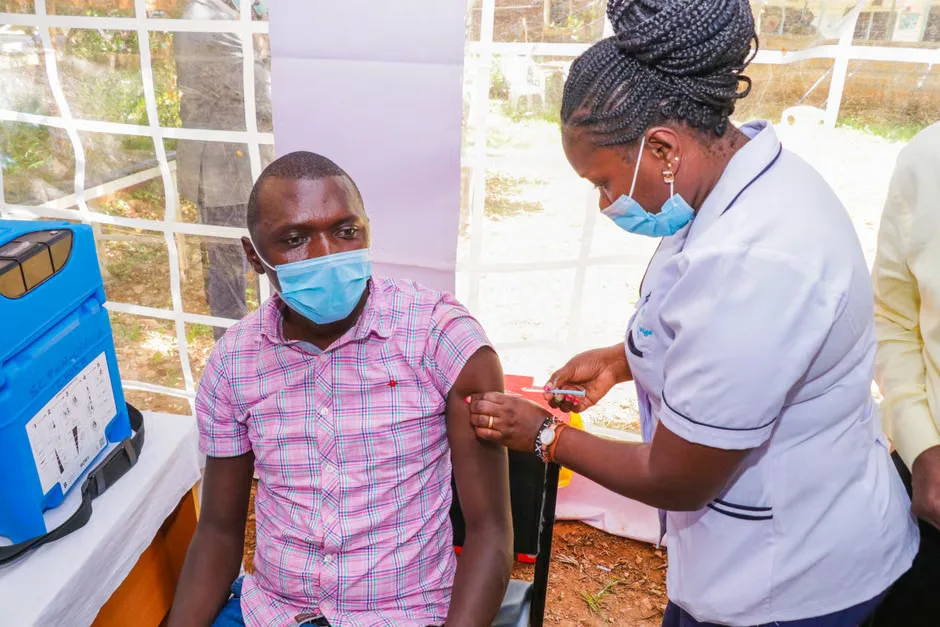
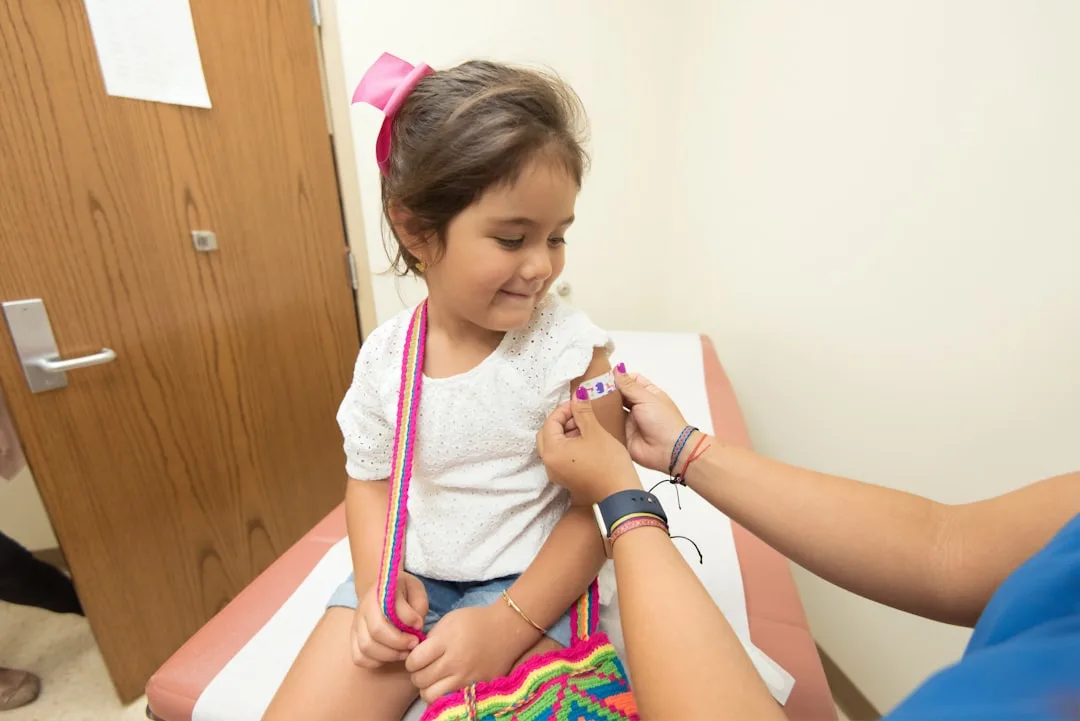
A federal vaccine policy change affecting the combined measles, mumps, rubella and varicella shot could make it harder for some vulnerable toddlers to stay protected against chickenpox, according to newly reported research cited by pediatric and medical outlets.
The concern centers on the MMRV vaccine, a combination shot that protects against measles, mumps, rubella and varicella, the virus that causes chickenpox. The Advisory Committee on Immunization Practices, the panel that guides federal vaccine recommendations, recently moved away from coverage of MMRV in a way critics say could reduce access for young children, particularly those who depend on the Vaccines for Children program.
The program provides no-cost vaccines to children who are Medicaid-eligible, uninsured, underinsured or American Indian or Alaska Native. Because ACIP recommendations are closely tied to federal vaccine access and coverage decisions, changes can have immediate consequences for pediatric practices and families with limited ability to pay out of pocket.
Study points to uneven impact
New data highlighted in the reports suggest MMRV has served as an important option for children in lower-income households and for minoritized families. Researchers examining vaccination patterns in King County, Washington, found that MMRV use remained relatively steady at about 15% from 2015 to 2025, indicating that while it was not the dominant option, it was a meaningful source of protection for a consistent share of children.
Pediatric experts say that matters because combined vaccines can reduce the number of injections and clinic visits needed to keep a child up to date. For families with transportation barriers, hourly jobs, child care constraints or limited access to pediatric offices, fewer appointments can make the difference between completing a vaccine series and falling behind.
The issue has gained attention under Health and Human Services Secretary Robert F. Kennedy Jr., whose leadership has been associated with sharp scrutiny of federal vaccine policy. Public health groups have warned that even technical changes to vaccine recommendations can have broader effects if they create confusion among parents, insurers or clinicians.
Chickenpox risks remain
Chickenpox is often remembered as a routine childhood illness, but health officials say it can cause serious complications, including bacterial infections, pneumonia, brain inflammation and, in rare cases, death. Infants, pregnant women and people with weakened immune systems face higher risks, but outbreaks can spread through schools, child care centers and households when vaccination rates fall.
The standalone varicella vaccine remains available, and clinicians can still discuss the most appropriate schedule for individual children. However, pediatricians say the loss or narrowing of MMRV coverage may remove a practical tool for reaching children who are already at higher risk of missed preventive care.
Supporters of the ACIP shift have pointed to long-standing questions about the best timing for combination vaccines and the need to weigh benefits and risks for each age group. Critics counter that broad coverage decisions should account not only for clinical considerations but also for how families actually access care.
The debate underscores a larger challenge for federal vaccine policy: small changes in recommendation language can ripple through insurance systems, public programs and clinic operations. For families with few resources, those ripples may determine whether a toddler receives timely protection or remains susceptible to preventable disease.
Key questions
- What is the MMRV vaccine?
- MMRV is a combination vaccine that protects against measles, mumps, rubella and varicella, the virus that causes chickenpox.
- Why could a change in MMRV coverage affect low-income families?
- Federal vaccine recommendations influence coverage through programs such as Vaccines for Children, which provides no-cost vaccines to eligible children. If access to a combination shot is narrowed, some families may face more appointments or logistical barriers to completing vaccination.