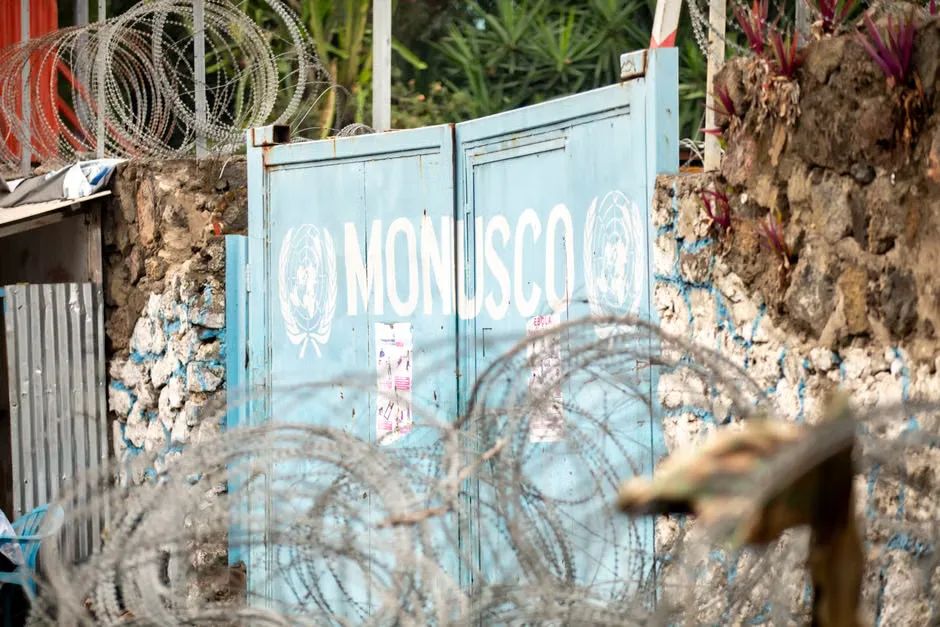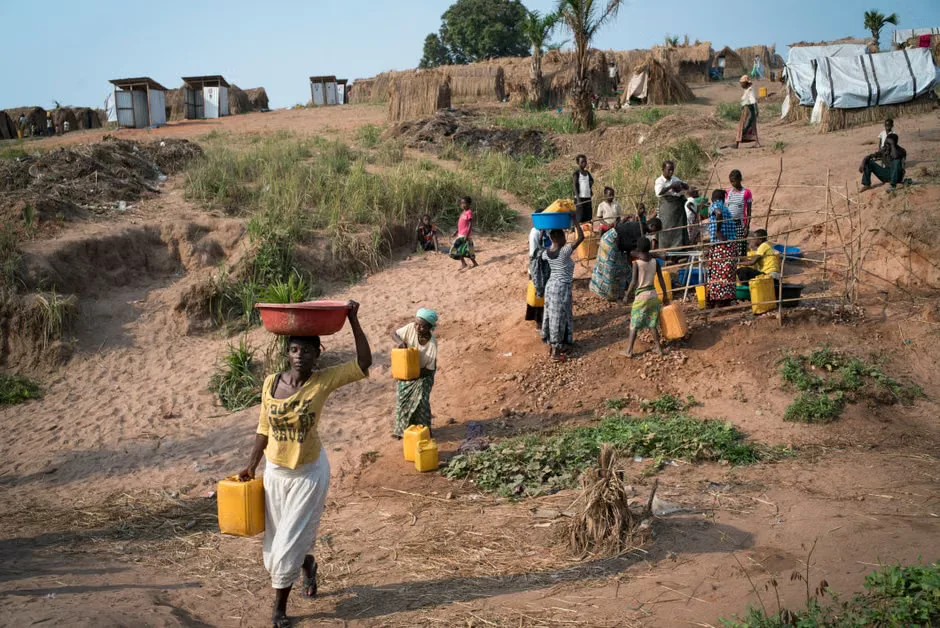
A U.S. citizen working for a humanitarian organization in the Democratic Republic of Congo has tested positive for Ebola, the Centers for Disease Control and Prevention said, adding that health officials are working with partners to determine the next steps for care.
The case involves an American who was in Congo for humanitarian work, according to the CDC. Federal officials did not immediately release the person’s name, organization or precise location, citing privacy and response considerations. The agency said it is coordinating with public health partners as officials assess treatment options and any potential exposure risks.
Ebola is a rare but often severe viral disease that can spread through direct contact with the blood or bodily fluids of a person who is sick or has died from the illness. It also can spread through contact with contaminated objects or infected animals. It does not spread through the air like measles or influenza.
Symptoms can include fever, severe headache, muscle pain, weakness, vomiting, diarrhea, abdominal pain and unexplained bleeding or bruising. The incubation period is typically two to 21 days. People are not considered contagious until symptoms begin, according to public health guidance.
Officials assess treatment and exposure risk
The CDC said it is supporting efforts to determine the appropriate treatment plan. Ebola care can include intensive supportive treatment, fluid replacement and, in some cases, use of approved therapeutics depending on the virus species and clinical circumstances. Early care can improve the chances of survival.
Authorities also typically conduct contact tracing after a confirmed Ebola case, identifying people who may have had direct exposure and monitoring them for symptoms. Those steps are designed to quickly detect additional infections and limit spread. The CDC has not announced any indication of a broader risk to the U.S. public tied to this case.
The Democratic Republic of Congo has experienced multiple Ebola outbreaks since the virus was first identified in 1976 near the Ebola River. The country’s public health system, along with international partners, has developed response experience that includes laboratory testing, vaccination campaigns for some Ebola virus strains, treatment centers and community outreach.
Health workers and humanitarian staff can face elevated risk when operating in areas where infectious diseases are present, particularly if they are providing medical care, supporting community response efforts or working in settings where infection-control resources are limited. Public health agencies generally advise strict use of protective equipment and rapid reporting of symptoms after possible exposure.
The case comes as global health officials continue to emphasize surveillance for high-consequence infectious diseases, especially in regions where outbreaks can emerge in remote communities and spread before they are detected. Ebola outbreaks have been difficult to control when mistrust, conflict or limited access to health care complicate response work.
The CDC said it would continue working with partners as more information becomes available. Additional details, including whether the patient will remain in Congo for treatment or be transported elsewhere, were not immediately available.
Key questions
- How does Ebola spread?
- Ebola spreads through direct contact with the blood or bodily fluids of a person who is sick or has died from the disease, or through contaminated objects or infected animals. It is not spread through the air.
- Is there a risk to the U.S. public from this case?
- The CDC has not announced any indication of a broader risk to the U.S. public. Officials are assessing treatment options and potential exposures linked to the case.