A U.S. citizen has tested positive for Ebola in the Democratic Republic of Congo, The New York Times reported, raising concern in a country that has experienced repeated outbreaks of the deadly viral disease.
Details about the patient, including the person’s identity, condition, location in Congo and possible route of exposure, were not immediately available. It also was not immediately clear whether U.S. or Congolese health officials had publicly confirmed the case or whether any contacts had been identified for monitoring.
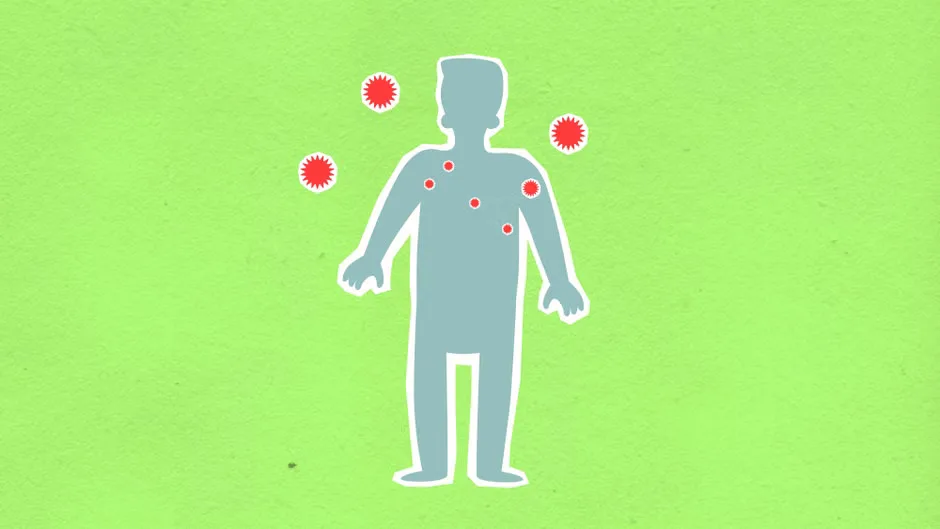
Ebola is a severe and often fatal illness that spreads through direct contact with the blood or bodily fluids of an infected person, or with contaminated objects. It does not spread through the air in the same way as flu or COVID-19. Health workers, family members and others who provide close care without appropriate protective equipment are among those at highest risk during an outbreak.
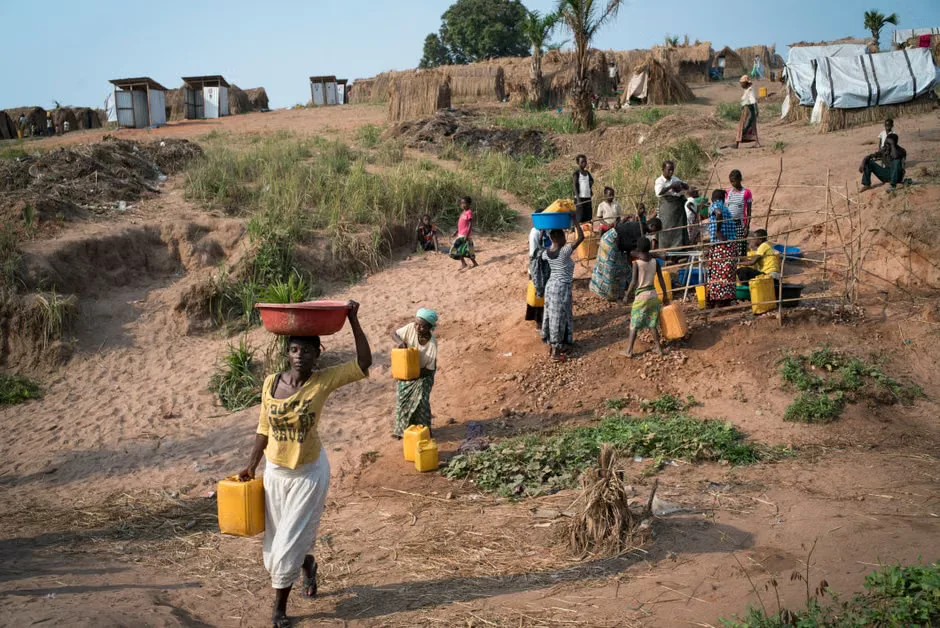
The Democratic Republic of Congo has recorded multiple Ebola outbreaks since the virus was first identified there in 1976 near the Ebola River. The country’s experience has helped shape modern outbreak response, including rapid case isolation, contact tracing, community education, safe burial practices and vaccination campaigns in areas where vaccines are available for specific Ebola virus species.
What health officials typically do after an Ebola case
When a case is confirmed, response teams generally move quickly to isolate the patient, trace people who may have been exposed and monitor them for symptoms during the incubation period, which can last up to 21 days. Officials also work to identify how the person became infected, including whether there was contact with a known patient, a health care setting or an animal source.
Symptoms can include fever, fatigue, muscle pain, headache and sore throat, followed in some cases by vomiting, diarrhea, rash, impaired kidney and liver function, and internal or external bleeding. Early care improves the chances of survival, especially when patients receive fluids, treatment for complications and therapies where available.
The risk to the general public outside the affected area is typically considered low when cases are quickly detected and isolation measures are in place. International travel-related Ebola cases have occurred in the past, but health authorities use screening, contact monitoring and infection-control procedures to reduce the chance of wider spread.
Because the publicly available information remained limited, it was not possible to determine whether the case was connected to a known outbreak or represented a separate infection. Additional statements from Congo’s Health Ministry, the World Health Organization or U.S. officials could clarify the timeline, location and public health response.
Public health experts generally advise people in affected areas to avoid contact with bodily fluids of anyone who is sick, report symptoms promptly and follow guidance from local health authorities. Travelers to regions with Ebola activity are advised to avoid contact with sick people, dead bodies and wild animals, and to seek medical care immediately if symptoms develop after possible exposure.
Key questions
- How does Ebola spread?
- Ebola spreads through direct contact with the blood or bodily fluids of an infected person, or with contaminated objects. It is not spread through the air like flu or COVID-19.
- What happens after an Ebola case is confirmed?
- Health officials typically isolate the patient, trace and monitor contacts for up to 21 days, investigate the source of infection and use infection-control measures to limit further spread.