The Ebola outbreak in eastern Congo is becoming harder to control as health workers face a mix of violence, public fear and logistical setbacks that are allowing the virus to spread faster than response teams can fully trace it.
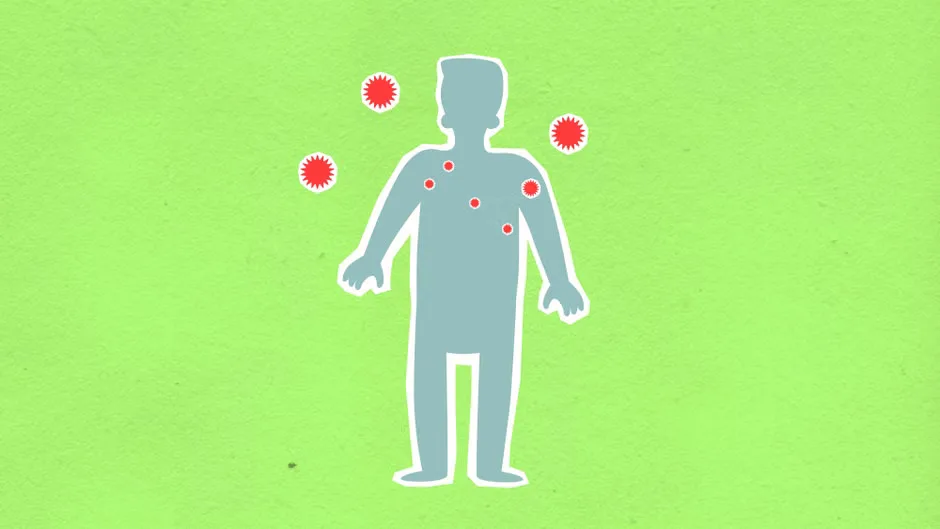
Public health officials have warned that many new infections are being linked to unknown chains of transmission, a sign that surveillance is falling behind the outbreak. When responders cannot determine who infected a patient, it becomes more difficult to identify contacts, isolate those at risk and break the cycle of transmission.
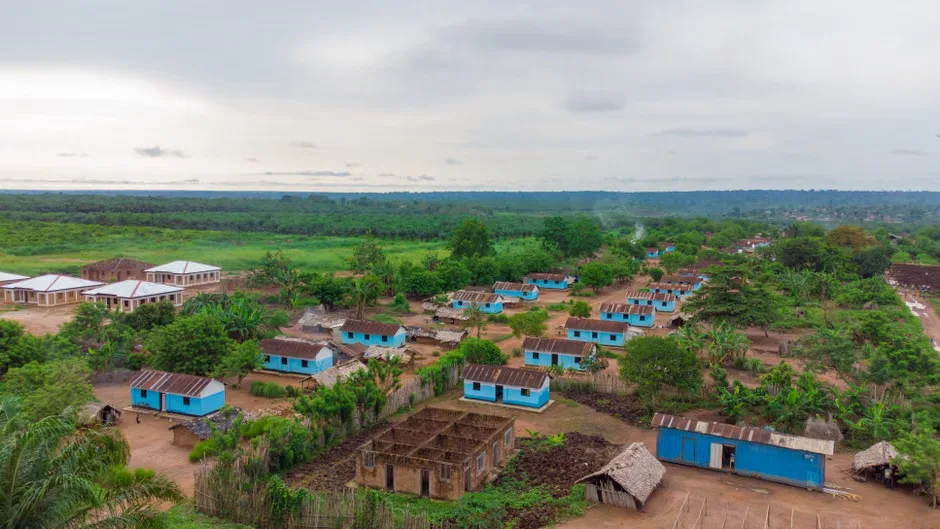
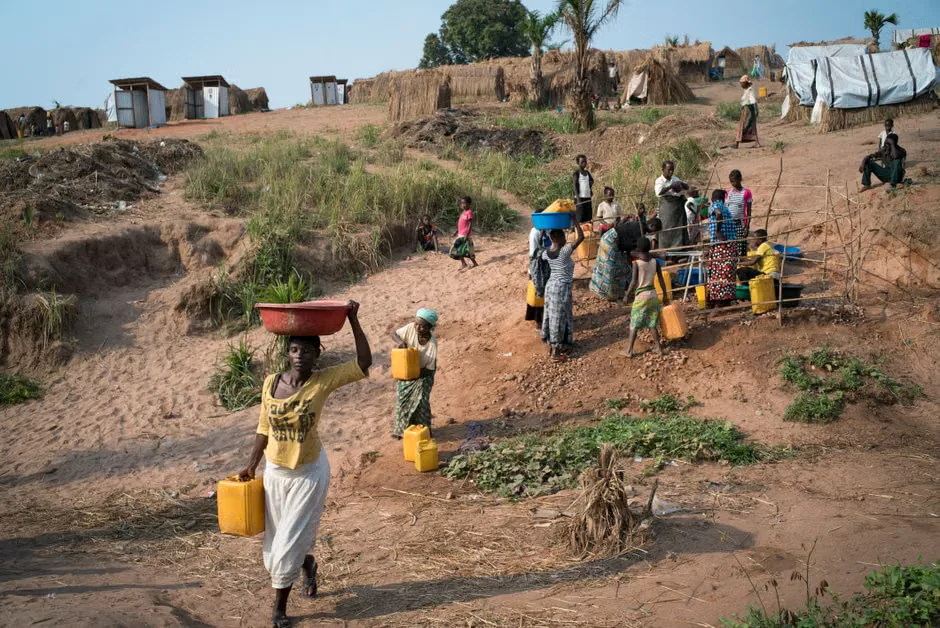
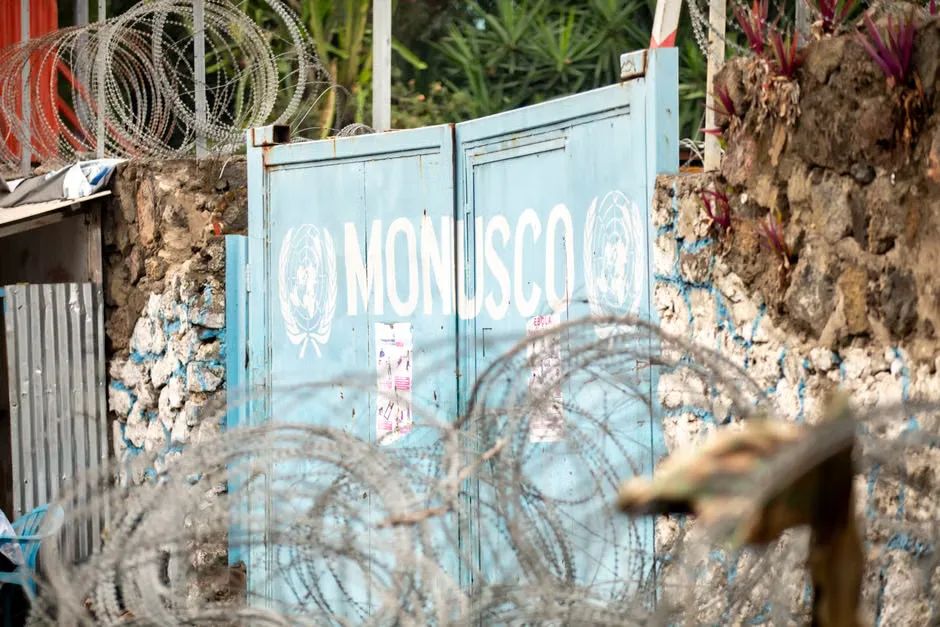
The challenge is especially acute in eastern Congo, where armed conflict and political instability have repeatedly disrupted medical operations. Treatment centers and response teams have had to suspend work at times because of attacks or security threats. Those interruptions can leave exposed people unmonitored and delay vaccinations, testing and safe burials, all of which are central to containing Ebola.
Why the response is under pressure
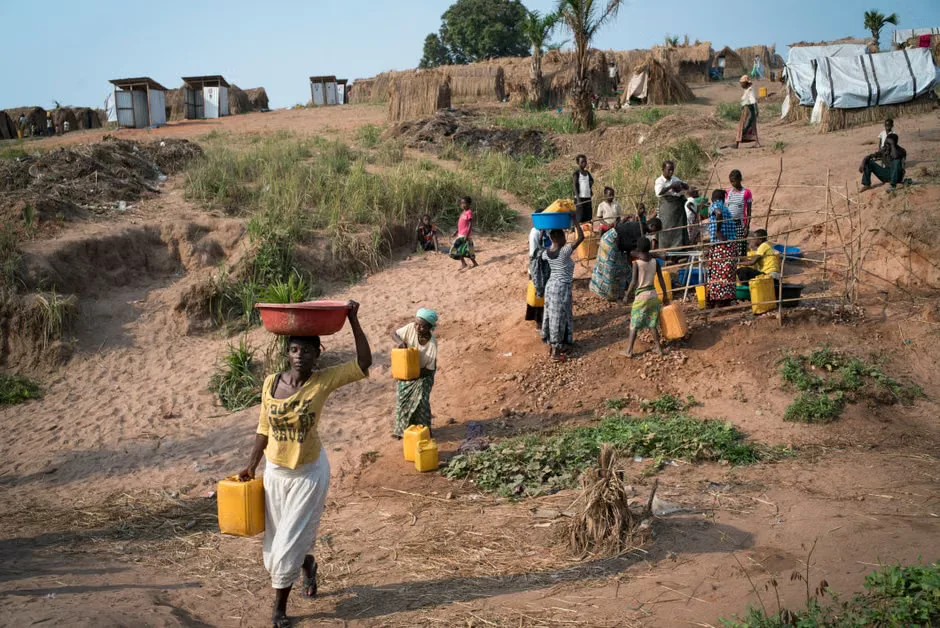
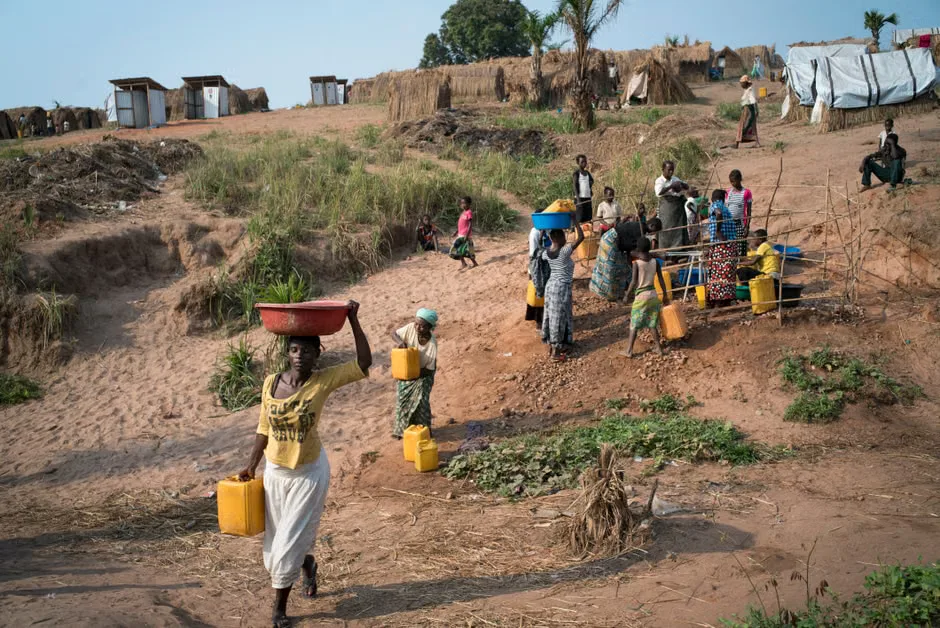
Health agencies say the outbreak has become one of the most complex Ebola emergencies ever confronted. Unlike past epidemics in more accessible areas, this one is unfolding in a region where communities are often displaced and mistrust of authorities runs deep. Some residents have been reluctant to seek care or cooperate with contact tracers, fearing treatment centers or doubting official information about the disease.
That mistrust has made a difficult outbreak even tougher. Ebola spreads through direct contact with the bodily fluids of an infected person, and quick identification of cases is critical. If people avoid clinics, travel while sick or bury loved ones without protective precautions, the virus can move quietly through families and neighborhoods before responders can intervene.
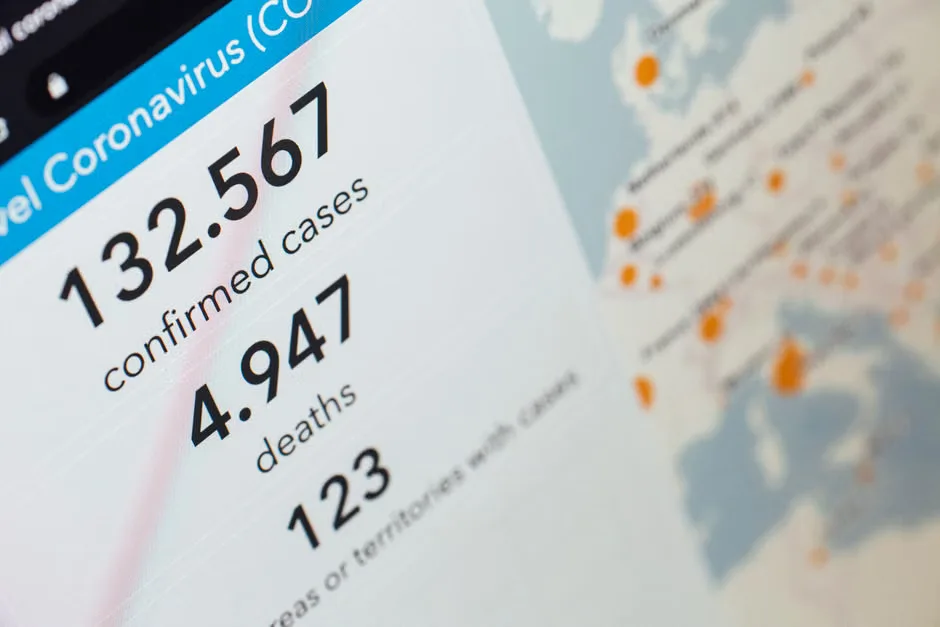
International health officials have also expressed concern that the true number of infections may be higher than official counts suggest. If undetected cases are circulating, the outbreak could be broader than the reported data show. At the same time, the World Health Organization and partner groups have warned that they do not yet have all the funding needed for a sustained response.
What health officials are watching next
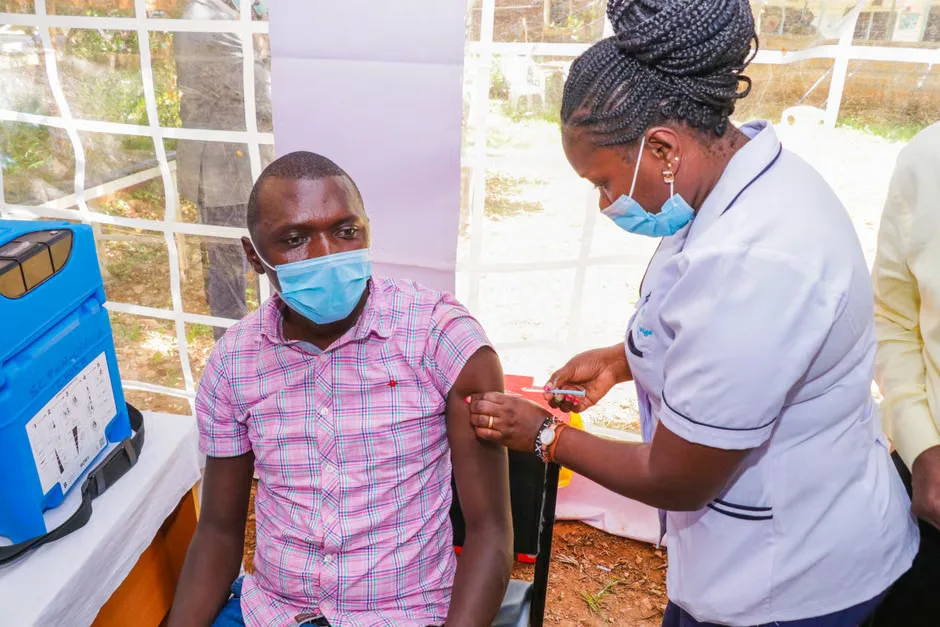
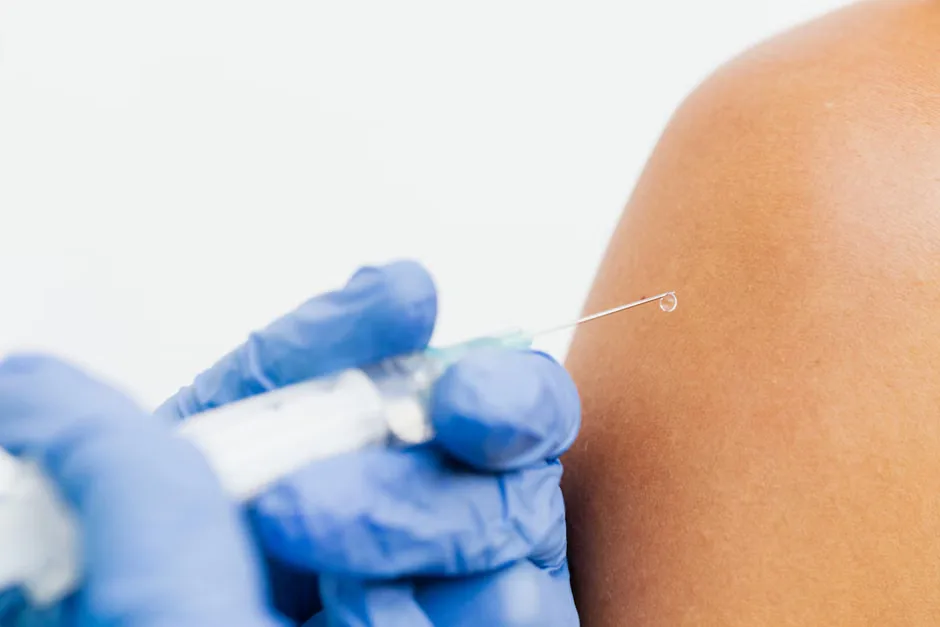
Response teams are continuing to use tools that have improved Ebola control in recent years, including vaccinations for contacts of infected patients, expanded laboratory testing and specialized treatment units. But those tools are most effective when health workers can safely reach communities and when patients are identified quickly.
Officials say the immediate priorities are restoring secure access to affected areas, improving community outreach and closing surveillance gaps so that every new case can be linked and monitored. Without that, the outbreak risks accelerating further and becoming even more difficult to contain.
The situation is a reminder that stopping Ebola requires more than medicine alone. It also depends on security, public trust and steady financial support. Until those conditions improve, health authorities say the outbreak in Congo will remain a serious and evolving threat.
Key questions
- Why is the Ebola outbreak in eastern Congo difficult to contain?
- Officials say the response is being hindered by armed conflict, mistrust of health authorities, interrupted medical operations and new cases that cannot be traced to known transmission chains.
- What do health workers need to slow the outbreak?
- Health teams need secure access to affected communities, better case tracking, public cooperation, enough funding and continued use of vaccination, testing and treatment tools.