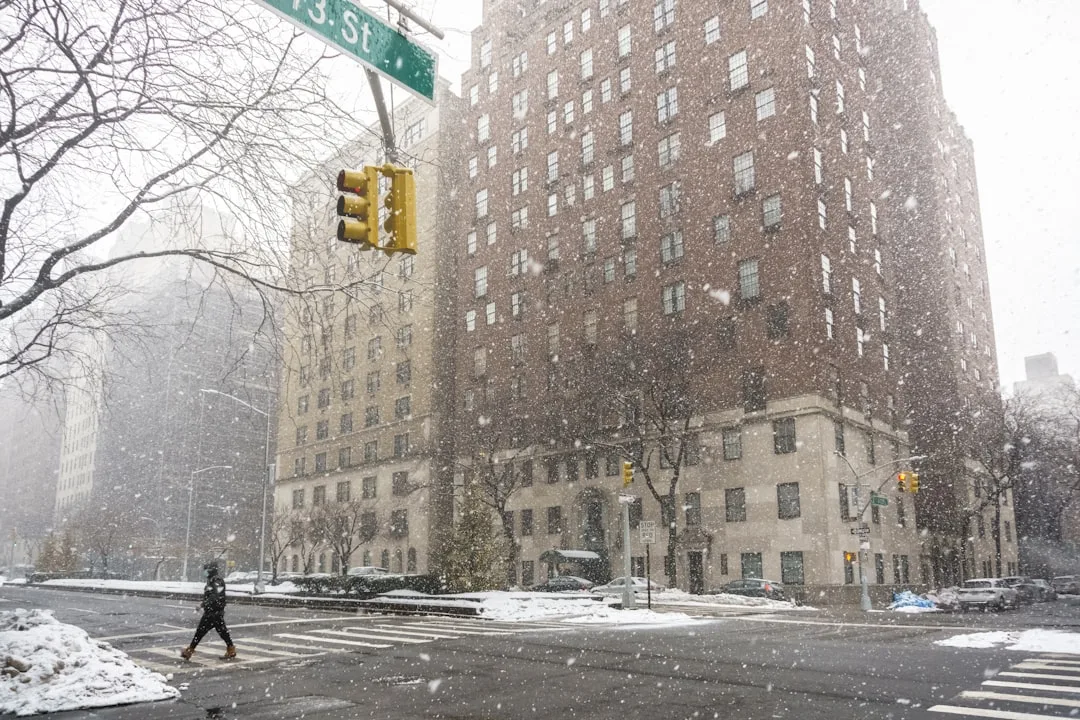
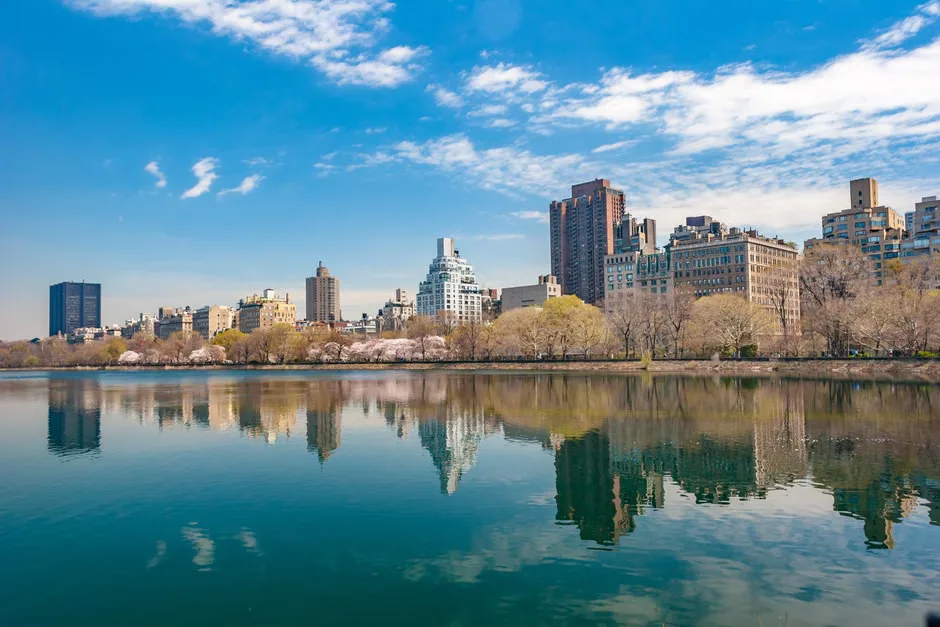
New York City health officials are under growing pressure to provide more details about a Legionnaires' disease outbreak affecting part of Manhattan's Upper East Side, where cooling towers have become a central focus of the investigation.
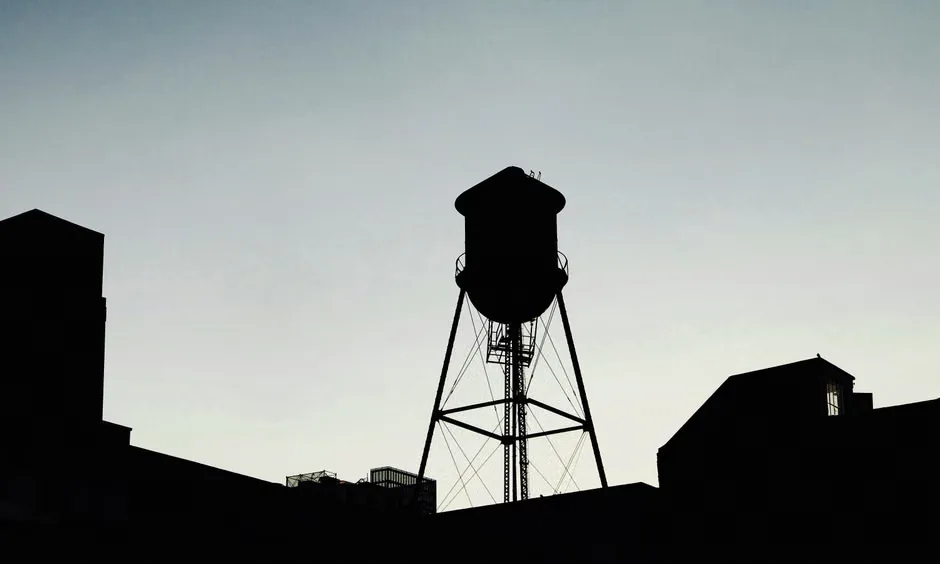
The outbreak has drawn attention from residents, local elected officials and public health experts after reports that city officials planned to release a list of buildings connected to the response. Cooling towers, which are used in some large buildings' air-conditioning and ventilation systems, can become a source of Legionella bacteria if water systems are not properly maintained.
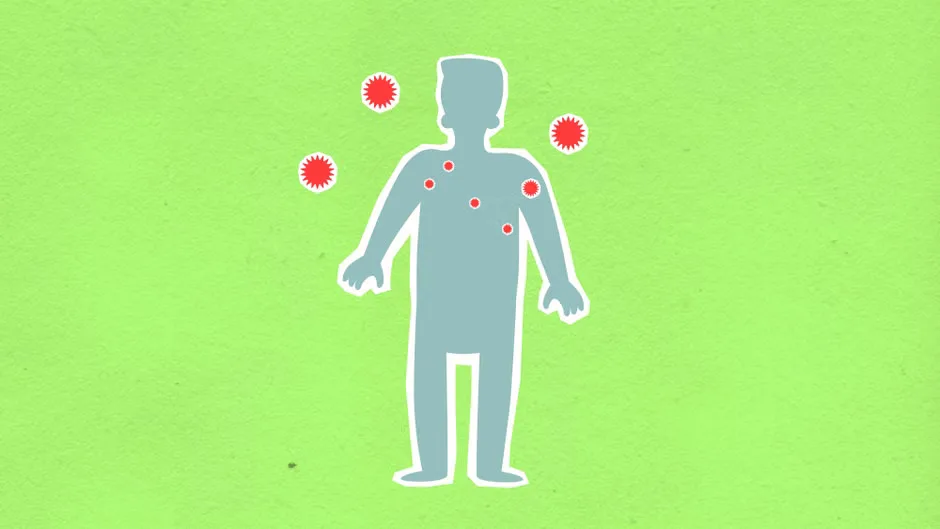
Legionnaires' disease is a severe form of pneumonia that can develop after a person breathes in water droplets containing Legionella bacteria. It is not typically spread from person to person. Older adults, smokers and people with weakened immune systems or chronic lung disease face higher risk of serious illness, according to public health guidance.
Cooling towers are a key part of the investigation
City and state rules require many building owners to register cooling towers, test them and follow maintenance plans intended to prevent bacterial growth. When an outbreak is detected, health officials often inspect nearby towers, collect water samples and order cleaning or disinfection when needed.
The Upper East Side investigation has put renewed attention on how quickly the city identifies potential sources and how much information should be made public while testing continues. News reports have described tension between the City Council speaker and the Health Department over transparency, with community members seeking a clearer picture of which buildings are being reviewed and what steps are being taken.
Public health investigations can be complicated because a positive environmental sample does not always prove a particular tower caused an infection. Officials generally compare bacterial samples from patients and environmental sources and consider where patients lived, worked or spent time. That process can take days or longer.
Residents urged to watch for symptoms
Health officials typically advise people in affected areas to monitor for symptoms such as cough, fever, chills, muscle aches and shortness of breath, particularly if they are in a higher-risk group. Anyone with concerning symptoms should seek medical care and mention possible exposure to Legionella.
The outbreak also comes as public health experts warn that warmer temperatures and aging building infrastructure may raise the risk of Legionella growth in urban water systems. Climate change does not cause Legionnaires' disease directly, but heat, humidity and disruptions in building water use can create conditions that allow bacteria to multiply if systems are poorly maintained.
For residents, the immediate question is whether the city can move quickly enough to identify and remediate any contaminated cooling towers while giving the public reliable information. For building owners, the outbreak is a reminder that testing, cleaning and record-keeping requirements are not routine paperwork but a frontline defense against preventable illness.
Key questions
- What is Legionnaires' disease?
- Legionnaires' disease is a serious type of pneumonia caused by breathing in water droplets contaminated with Legionella bacteria. It is not usually spread from person to person.
- Why are cooling towers being reviewed in the Upper East Side outbreak?
- Cooling towers can allow Legionella bacteria to grow if water is not properly treated and maintained. During an outbreak, health officials inspect and test towers near affected areas to look for possible sources.