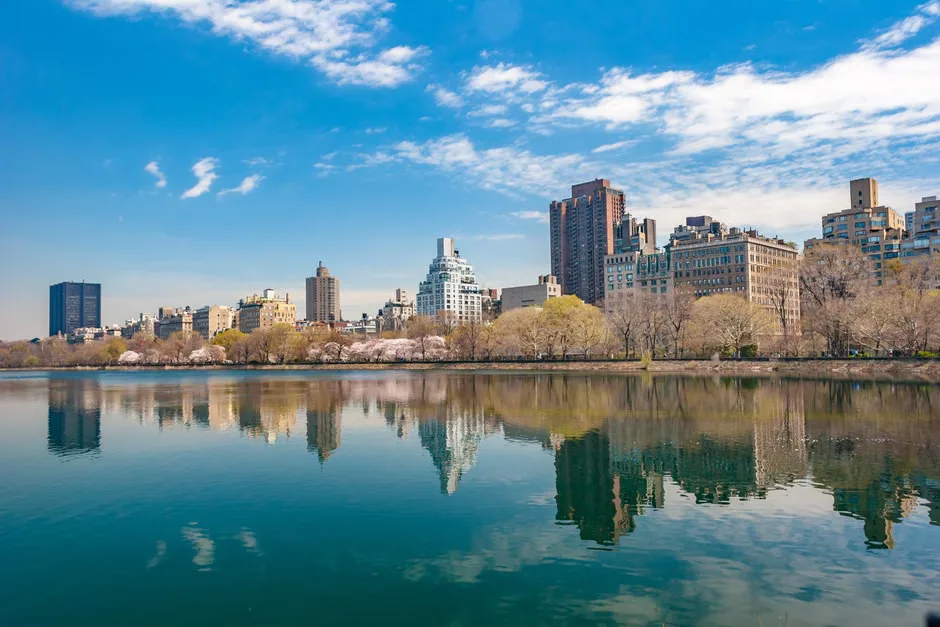
New York City health officials say a Legionnaires’ disease outbreak has reached 59 confirmed cases, widening concern as investigators report positive test results at multiple sites and, for the first time in this outbreak, across Central Park on the Upper West Side.
The cluster has been centered on the Upper East Side, where residents, workers and visitors have been urged to watch for symptoms and seek medical care if needed. But the latest findings indicate the investigation is no longer limited to one neighborhood. Officials have identified Legionella bacteria at several buildings linked to cooling towers or water systems, including prominent locations that have drawn public attention.
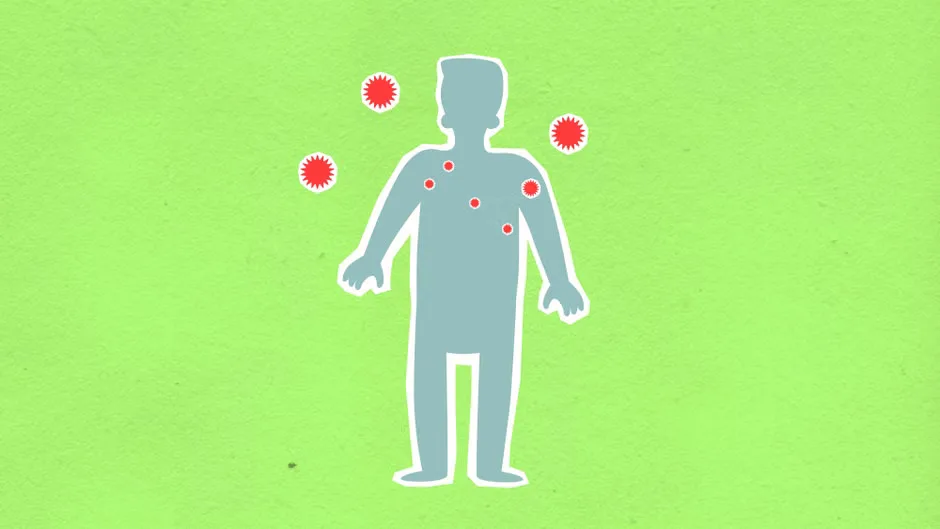
Legionnaires’ disease is a serious form of pneumonia caused by inhaling water droplets contaminated with Legionella bacteria. It is not typically spread person to person. People at higher risk include adults 50 and older, smokers, people with chronic lung disease, and those with weakened immune systems.
How the outbreak is unfolding
According to local reports, the case count has continued to rise in recent days as testing and case-finding expanded. Health authorities have been inspecting buildings, collecting water samples and ordering remediation where bacteria has been detected. Among the locations reported to have tested positive are well-known institutions and residential or commercial properties on the Upper East Side, while a building on the Upper West Side has now also been flagged.
The cross-park detection does not necessarily mean all positive sites are the source of illness. Legionella can be present in building water systems without causing infections, and health officials must still determine whether any specific cooling tower or plumbing system is tied to the confirmed cases. Buildings with positive results are generally required to disinfect systems and undergo follow-up testing.
What residents should know
Symptoms of Legionnaires’ disease can include cough, fever, shortness of breath, muscle aches and headaches. Some people also experience chills or confusion. The illness can usually be treated with antibiotics, especially when diagnosed early.
City officials have scheduled public outreach, including community briefings, as questions grow about the source of the outbreak and the extent of the risk. Health experts often stress that the disease is linked to large building water systems, decorative fountains, hot tubs and cooling towers rather than ordinary drinking water use. Boiling water advisories are not typically part of a Legionnaires’ response unless separate water-quality issues are involved.
For now, the city’s response is focused on identifying the source, ensuring remediation at buildings where bacteria has been found, and encouraging potentially exposed people with symptoms to contact a health care provider. As the investigation continues, officials are expected to update the public on whether the outbreak remains concentrated in a specific area or reflects broader environmental contamination in parts of Manhattan.
Key questions
- What is Legionnaires’ disease?
- Legionnaires’ disease is a serious lung infection, or pneumonia, caused by inhaling small water droplets that contain Legionella bacteria. It is usually linked to contaminated building water systems, cooling towers, hot tubs or fountains.
- What symptoms should people watch for during the NYC outbreak?
- People should watch for cough, fever, shortness of breath, muscle aches, headaches and chills. Anyone in the affected area who develops symptoms, especially older adults or people with underlying health conditions, should contact a health care provider.