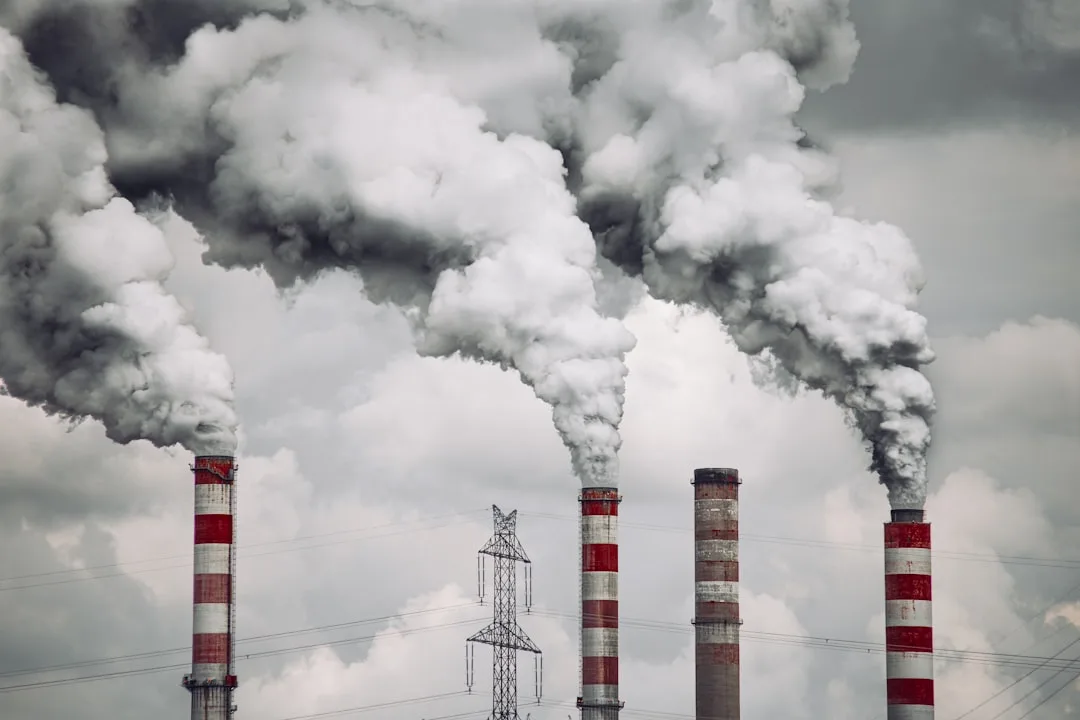
Code Red air quality is the highest level of air pollution, indicating extremely hazardous conditions. According to the Air Quality Index (AQI), Code Red means that the air is unhealthy to breathe, even for healthy individuals. The AQI is a measure of the level of five major air pollutants: particulate matter (PM2.5), ozone (O3), nitrogen dioxide (NO2), sulfur dioxide (SO2), and carbon monoxide (CO).
When air quality reaches Code Red levels, it can cause a range of health problems, including respiratory issues, cardiovascular disease, and even premature death. The University of Rochester notes that air pollution can affect not only the lungs but also other organs and systems in the body.
Dr. Jane Smith, an expert in air quality, explains, Code Red air quality is a serious concern, especially for vulnerable populations such as children, the elderly, and those with pre-existing medical conditions.
Analysis shows that prolonged exposure to poor air quality can lead to long-term health consequences, including increased risk of lung cancer and cardiovascular disease. Furthermore, air pollution can also exacerbate existing health conditions, such as asthma and chronic obstructive pulmonary disease (COPD).
Looking ahead, it's essential to take steps to protect yourself and your loved ones from the effects of poor air quality. This includes staying informed about air quality indexes, avoiding outdoor activities during Code Red conditions, and taking precautions to reduce exposure to pollutants.
Evergreen background: Air pollution is a significant public health concern worldwide, with the World Health Organization estimating that 9 out of 10 people breathe polluted air. Understanding the Air Quality Index and taking steps to mitigate its effects is crucial for maintaining good health.
Code Red Air Quality: What You Need to Know
Key questions
- What is Code Red air quality?
- Code Red air quality is the highest level of air pollution, indicating extremely hazardous conditions.
- How does air pollution affect our health?
- Air pollution can cause a range of health problems, including respiratory issues, cardiovascular disease, and even premature death.