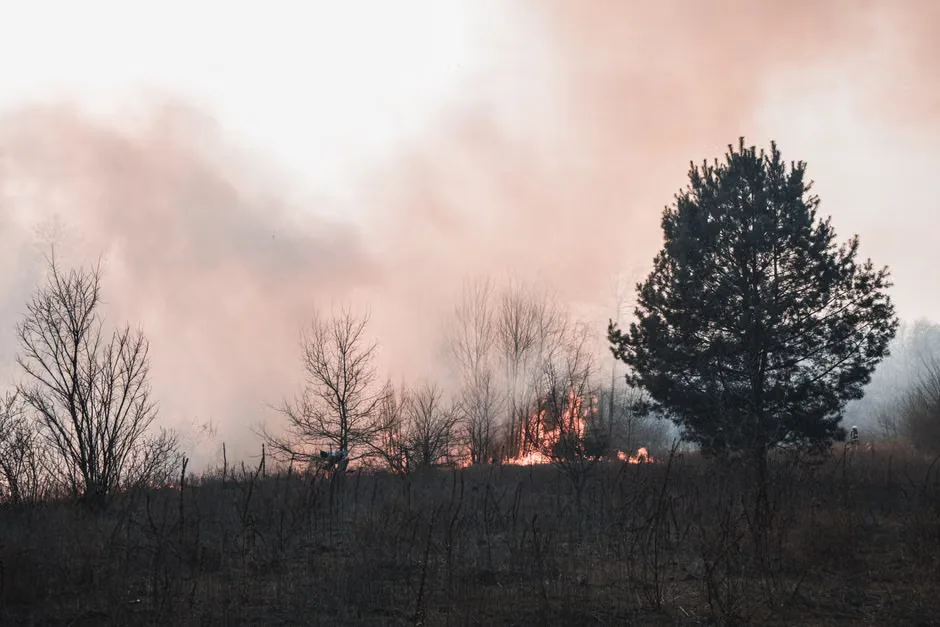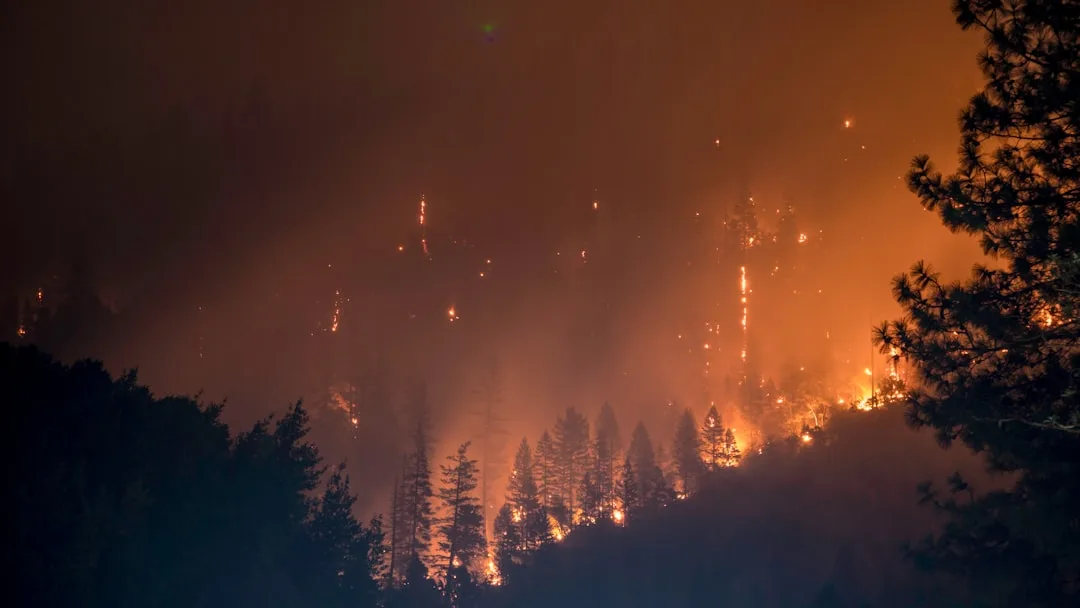
Northwest wildfire smoke is beginning to dissipate as a significant shift in weather patterns moves pollutants out of the region. This atmospheric change is expected to provide relief to millions of residents across the Pacific Northwest through the end of the week.
Stagnant air masses often trap particulate matter near the ground, creating hazardous conditions during peak fire seasons. According to the Environmental Protection Agency, prolonged exposure to wildfire smoke can increase respiratory distress and cardiovascular risks in vulnerable populations.
Meteorologists from The Weather Channel indicate that the current shift in wind direction and pressure is actively pushing the smoke plume away from major population centers.
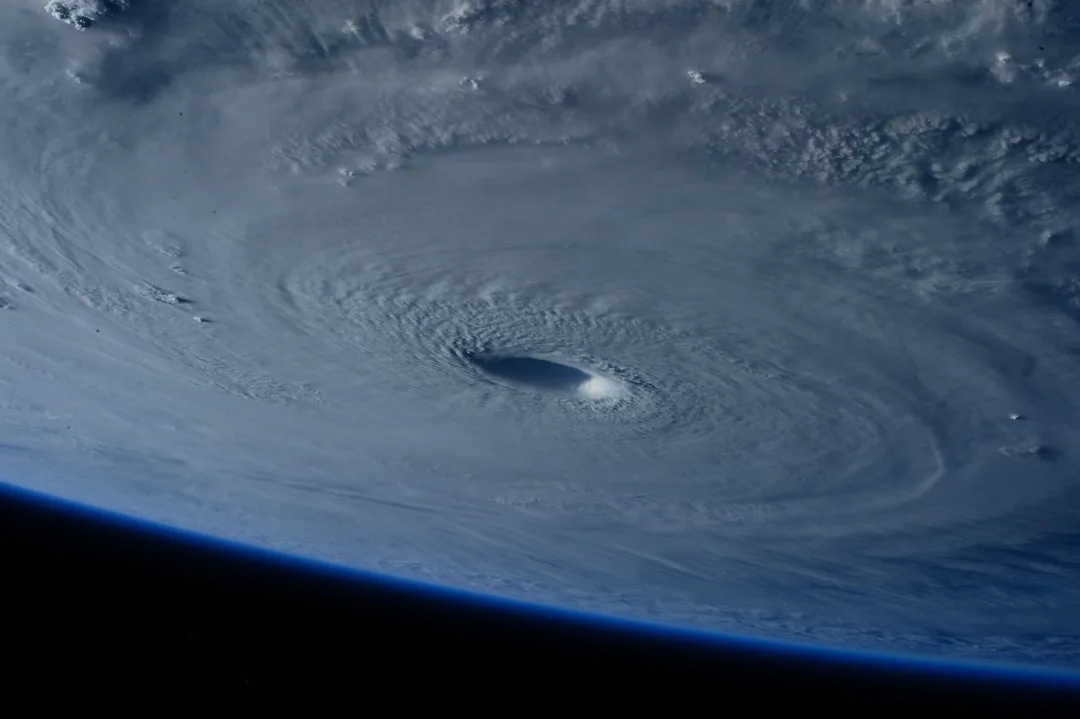
The transition from a high-pressure ridge to a more active weather pattern allows cleaner air to flow into the basin. This movement prevents the pooling effect that typically keeps smoke trapped in valleys and urban corridors, which often leads to dangerous spikes in particulate matter.
While the immediate haze is lifting, the underlying cause—active wildfires—remains a threat. The clearing of Northwest wildfire smoke does not necessarily indicate that the fires are extinguished, but rather that the wind is redistributing the emissions to other areas.
Forecasters expect air quality indices to return to moderate or good levels by the weekend. Local health officials will continue to monitor the situation as new weather fronts move through the region to ensure the air remains breathable.
The Pacific Northwest is prone to seasonal wildfire activity due to dry summer conditions and dense forest cover. These events often lead to regional smoke events that can travel thousands of miles across North America, affecting air quality far from the actual flames.
Managing Northwest Wildfire Smoke Impacts
Residents are encouraged to keep track of local air quality alerts even as the smoke clears. While the current pattern is favorable, sudden shifts in wind can bring pollutants back into residential areas quickly.
Key questions
- What is causing the Northwest wildfire smoke to move?
- A shift in atmospheric pressure patterns and wind direction is pushing the smoke plume away from the region. This change breaks the stagnant air mass that previously trapped pollutants.
- Will the air quality remain clear for the rest of the week?
- Current forecasts suggest air quality will improve through the weekend. However, this depends on the stability of the weather pattern and the activity of ongoing wildfires.