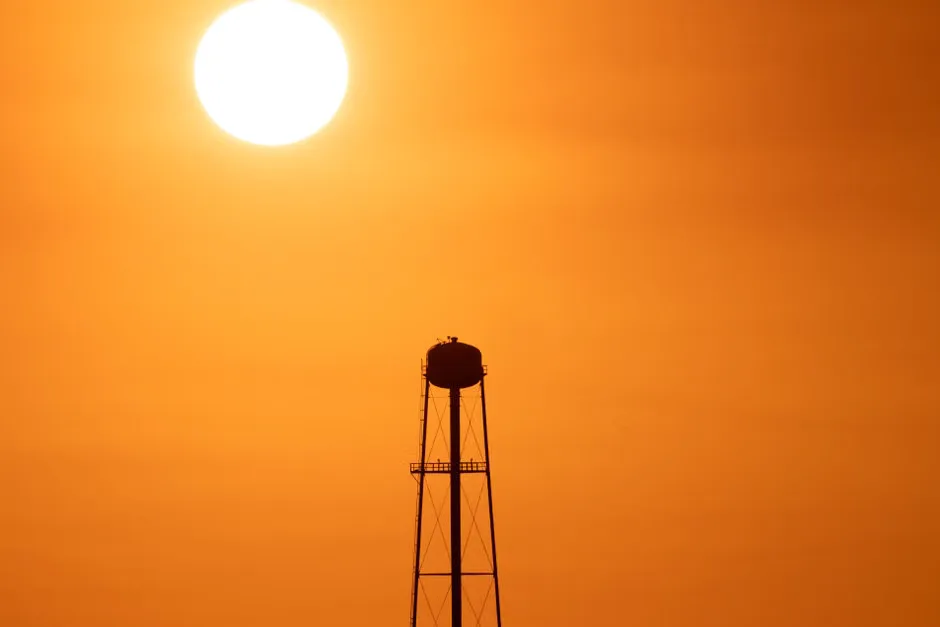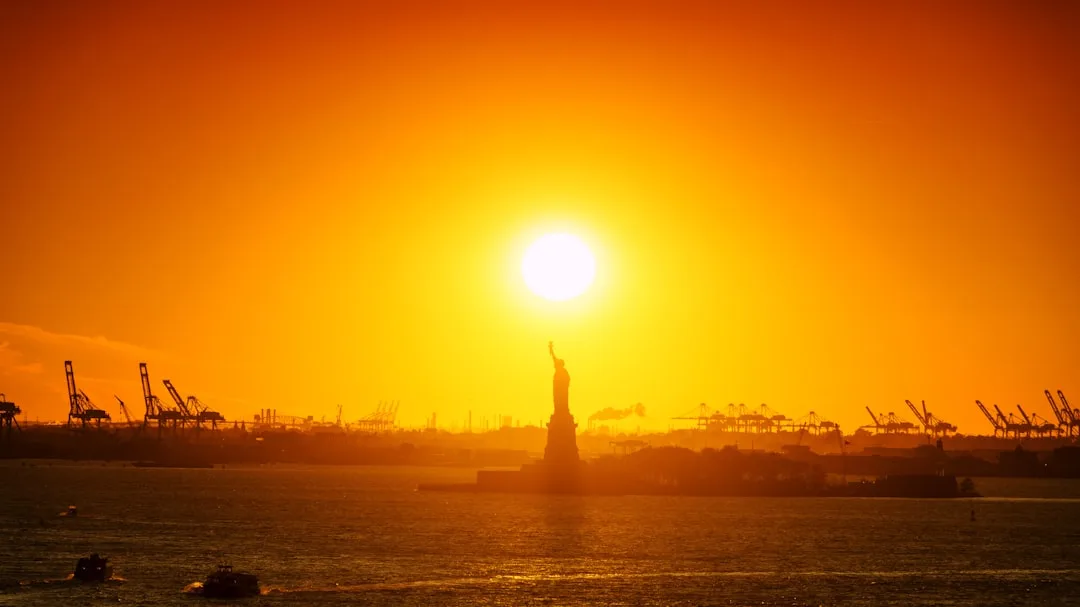
An extreme heat wave reaches its peak this Sunday, bringing dangerously high temperatures to multiple regions across the United States. Spectrum News reports that current atmospheric conditions are creating a high-pressure system that traps heat near the surface.
This weather event follows a broader trend of increasing summer temperature anomalies across North America. According to the National Oceanic and Atmospheric Administration (NOAA), global average temperatures have risen significantly over the last decade, increasing the frequency and intensity of such extreme weather events.
Spectrum News indicated that the current weather pattern is expected to push temperatures well above seasonal norms for the affected regions, creating a high risk for heat-related illnesses.
The persistence of this high-pressure ridge prevents cooler air from moving into the region, leading to a compounding effect where each day is hotter than the last. This creates a significant strain on local power grids as air conditioning demand surges to dangerous levels, increasing the risk of brownouts in densely populated areas.
Urban areas are experiencing a more intense effect due to the urban heat island phenomenon. Concrete and asphalt absorb heat during the day and release it slowly at night, which prevents the necessary overnight cooling that typically allows the human body to recover from daytime thermal stress.
Managing the Extreme Heat Wave
Public health officials are closely monitoring the impact on elderly residents and those with pre-existing cardiovascular conditions. The increased thermal stress on the body requires more effort from the heart to pump blood to the skin for cooling, which can trigger medical emergencies in high-risk groups. Local governments are currently opening cooling centers to provide refuge for those without home climate control.
Meteorologists expect the heat to break by mid-week as a cold front moves in from the west. However, the immediate risk remains high for vulnerable populations through Sunday evening, and residents are encouraged to limit outdoor activity during the peak sun hours of 11 a.m. to 4 p.m.
Heat waves are defined as prolonged periods of excessively hot weather, often accompanied by high humidity. Understanding the difference between heat exhaustion and heat stroke is critical for public safety. Heat exhaustion typically presents as heavy sweating and dizziness, whereas heat stroke is a medical emergency characterized by a core body temperature above 104 degrees Fahrenheit and altered mental status.
Key questions
- What are the signs of heat exhaustion?
- Common signs include heavy sweating, rapid pulse, dizziness, and fatigue. It is important to move to a cool place and hydrate immediately to prevent it from progressing to heat stroke.
- How can residents protect themselves during a heat wave?
- Residents should stay hydrated, wear lightweight clothing, and avoid outdoor activities during the hottest part of the day. Utilizing cooling centers or air-conditioned spaces is highly recommended.