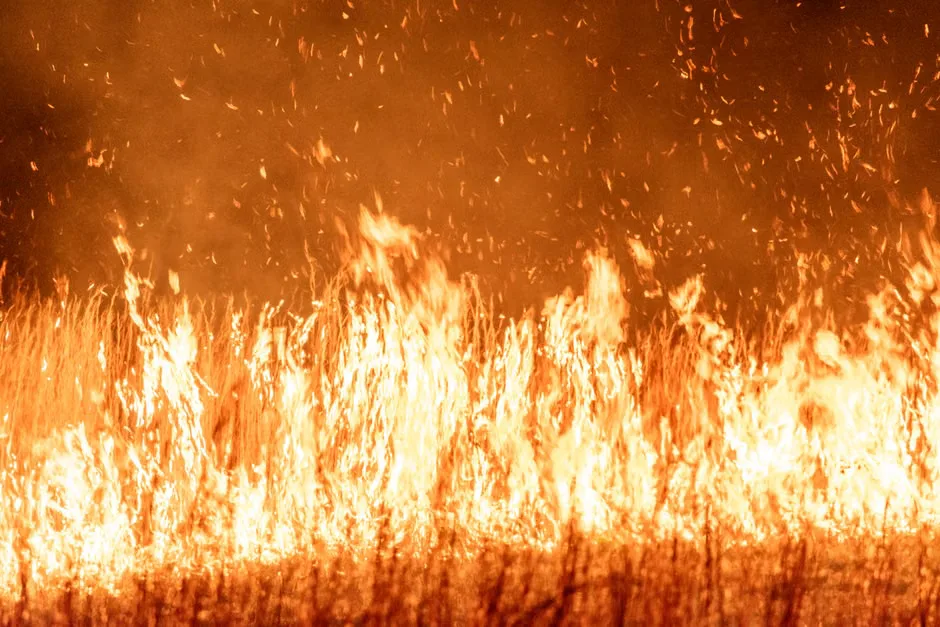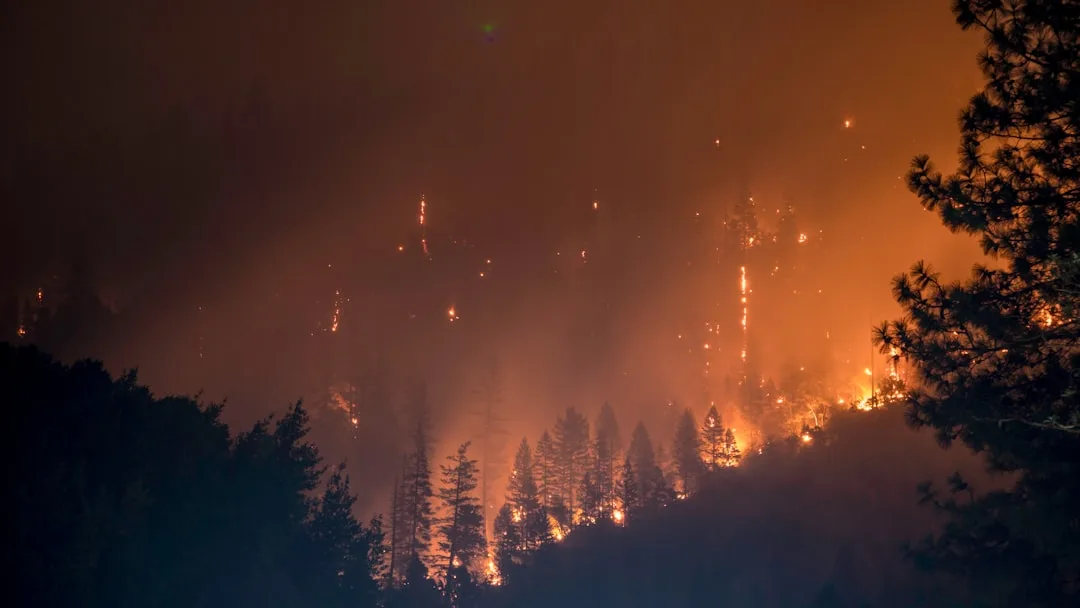
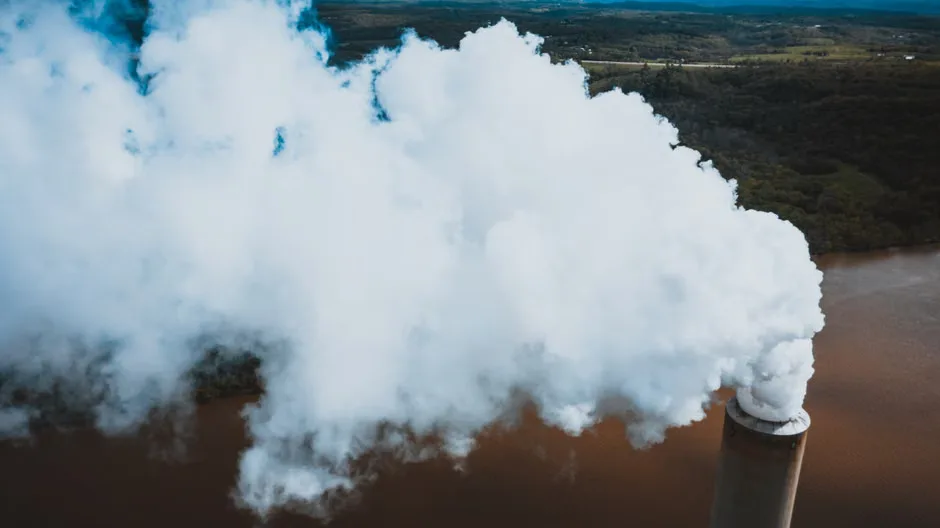
Air quality in the Seattle and Portland metropolitan areas is expected to remain impaired through Thursday as a heat advisory continues across Western Washington, according to regional environmental agencies. Elevated levels of ground-level ozone and fine particulate matter from lingering wildfire smoke are combining with high temperatures to create unhealthy air conditions, particularly for children, older adults, and individuals with respiratory conditions.
The National Weather Service has maintained the heat advisory through Thursday afternoon, with temperatures forecast to reach the mid-90s Fahrenheit in inland areas and near 90 in Seattle. This heat accelerates ozone formation, a key component of smog, when sunlight reacts with pollutants from vehicles and industrial sources. According to the Puget Sound Clean Air Agency, ozone levels reached unhealthy for sensitive groups on Wednesday, with similar readings expected today.
Dr. Lisa Jackson, environmental health specialist at the University of Washington School of Public Health, stated: When heat and smoke combine, the health risks increase significantly, especially for those with asthma or heart conditions. We recommend limiting outdoor exertion during peak afternoon hours and using air filtration indoors when possible.
Air quality monitors in Portland have also shown elevated PM2.5 levels, though slightly lower than in Seattle due to shifting wind patterns. The Oregon Department of Environmental Quality noted that while smoke aloft remains present, surface-level impacts are moderating slightly compared to earlier in the week. Still, both cities are experiencing AQI values in the moderate to unhealthy for sensitive groups range.
Officials advise residents to check real-time air quality data via AirNow.gov or local clean air agency websites before engaging in prolonged outdoor activity. Those with preexisting health conditions should consider reducing exertion and keeping windows closed during peak pollution hours. Use of N95 masks can help reduce particulate exposure if outdoor activity is unavoidable.
Looking ahead, a gradual improvement in air quality is expected by Friday as onshore flow increases and temperatures begin to drop slightly. A weak weather system approaching from the Pacific may bring increased cloud cover and dispersion winds, helping to break down ozone and transport smoke aloft. However, forecasters caution that any significant improvement depends on wind direction and the persistence of regional wildfire emissions.
This situation underscores the growing intersection of climate-driven heat events and wildfire smoke exposure in the Pacific Northwest. As summers become hotter and drier, the frequency of overlapping heat and air quality advisories is likely to increase, posing ongoing challenges for public health planning and urban resilience efforts in the region.
Air Quality Health Precautions During Heat Events
Public health officials recommend several steps to reduce risk during periods of poor air quality and high heat. Staying hydrated, seeking air-conditioned environments, and scheduling outdoor activities for early morning or evening hours can significantly lower exposure. Individuals should also be aware of symptoms such as coughing, throat irritation, or shortness of breath, which may indicate worsening respiratory strain.
Key questions
- Why does heat make air quality worse?
- High temperatures accelerate the chemical reactions that create ground-level ozone, a harmful pollutant formed when sunlight interacts with emissions from vehicles, industry, and other sources. This process, known as photochemical smog formation, peaks during hot, sunny afternoons, leading to elevated ozone levels that can irritate the respiratory system.
- Who is most at risk during poor air quality events?
- Children, older adults, pregnant individuals, and those with preexisting respiratory or cardiovascular conditions such as asthma, COPD, or heart disease are most vulnerable to the effects of poor air quality. These groups may experience worsened symptoms even at moderate pollution levels and should take precautions like limiting outdoor exertion and using indoor air filtration.