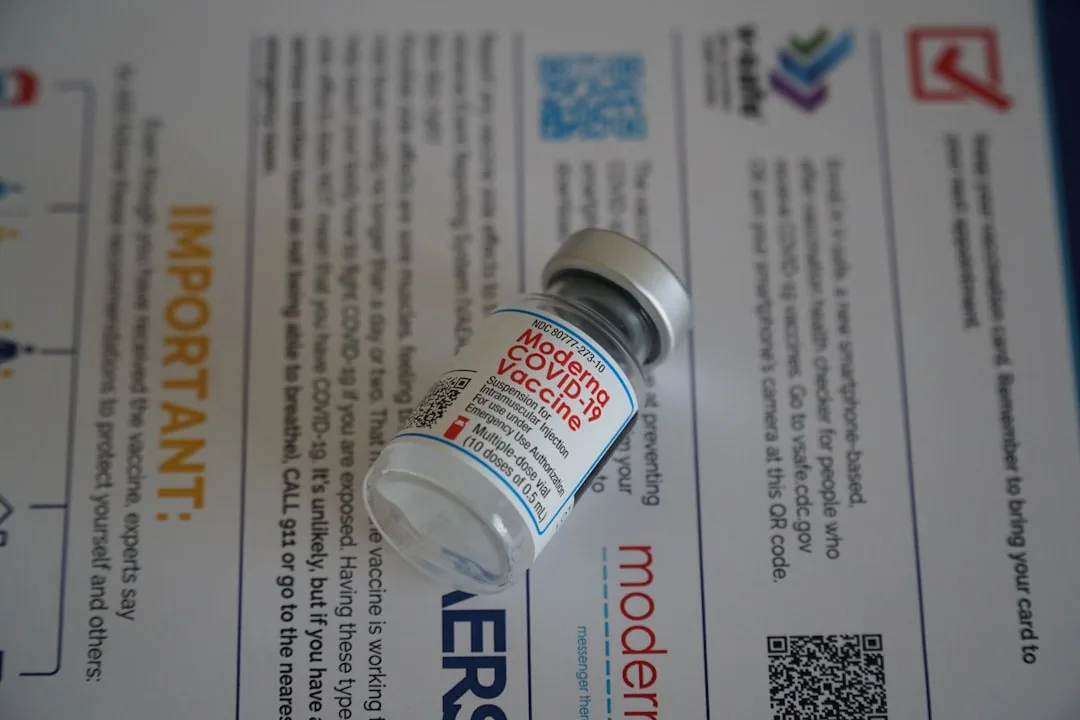

The U.S. Food and Drug Administration has granted approval for Moderna's mRNA-based influenza vaccine, the first of its kind to receive regulatory authorization in the United States. The decision, announced this week, allows the vaccine to be distributed for use in the upcoming flu season.
Clinical trial data submitted to the FDA showed the vaccine generated a strong immune response against multiple influenza strains, with safety profiles consistent with other mRNA vaccines. The approval follows a comprehensive review process that included evaluation of manufacturing, stability, and efficacy data from thousands of participants.
Dr. Paul Offit, director of the Vaccine Education Center at Children's Hospital of Philadelphia, stated, This approval validates years of research into mRNA technology for infectious diseases beyond COVID-19. It opens the door to faster updates and potentially better-matched vaccines each year.
The mRNA platform allows for quicker adaptation to circulating flu strains compared to traditional egg-based methods, which require months of lead time. Health experts suggest this could reduce the mismatch between vaccine strains and circulating viruses, a persistent challenge in annual flu vaccination efforts.
Moderna plans to begin shipping doses to pharmacies and healthcare providers in late summer, with availability expected by early fall. The vaccine will be offered alongside other FDA-approved flu shots, giving patients and providers another option for seasonal protection.
Beyond influenza, the success of this vaccine may accelerate development of mRNA-based vaccines for other respiratory illnesses, including RSV and potential pandemic threats. The technology's flexibility positions it as a key tool in future public health preparedness strategies.
Key questions