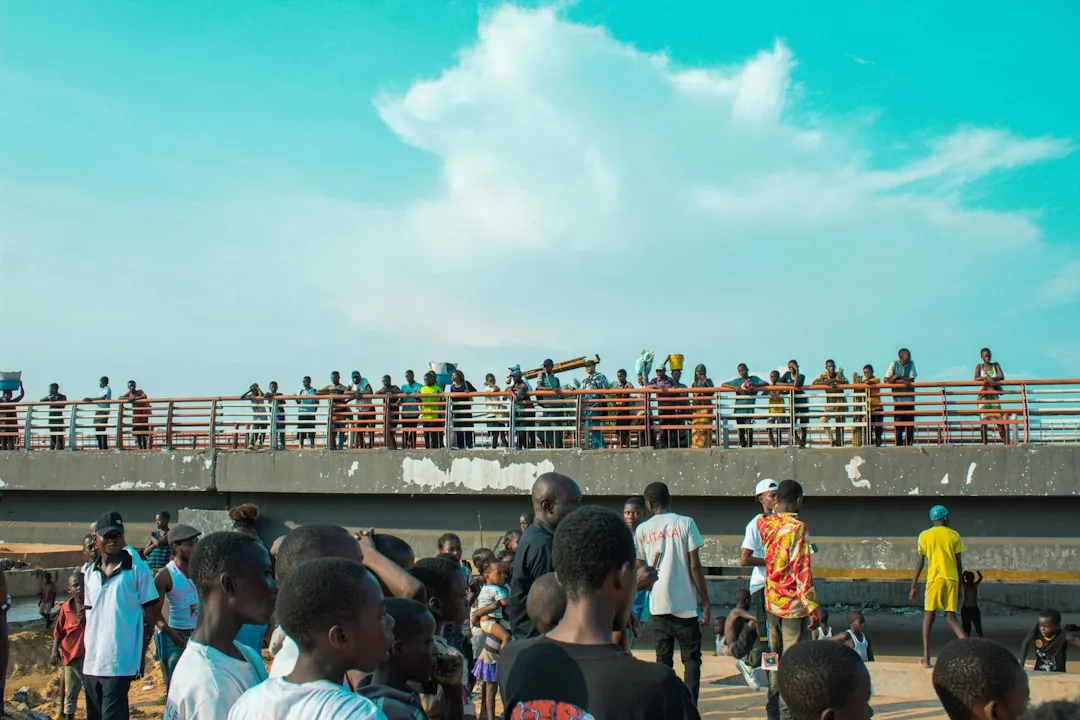
The Democratic Republic of Congo has confirmed that over 2,000 people have died in its current Ebola outbreak, marking the fastest-growing epidemic of the virus on record, according to national health authorities. The announcement comes as cases continue to rise in the eastern provinces of North Kivu and Ituri, where armed conflict has severely disrupted medical response operations.
Health officials say the outbreak, which began several months ago, has accelerated due to population displacement, mistrust of medical teams, and frequent attacks on treatment centers. In the past month alone, new cases have increased by nearly 40%, with the World Health Organization citing insecurity as the primary barrier to effective containment.
Dr. Jean-Jacques Muyembe, Director of Congo’s National Institute for Biomedical Research, stated, We are fighting not only a deadly virus but also a complex emergency where insecurity prevents us from reaching communities in need. He emphasized that vaccination and contact tracing efforts remain hampered by ongoing violence.
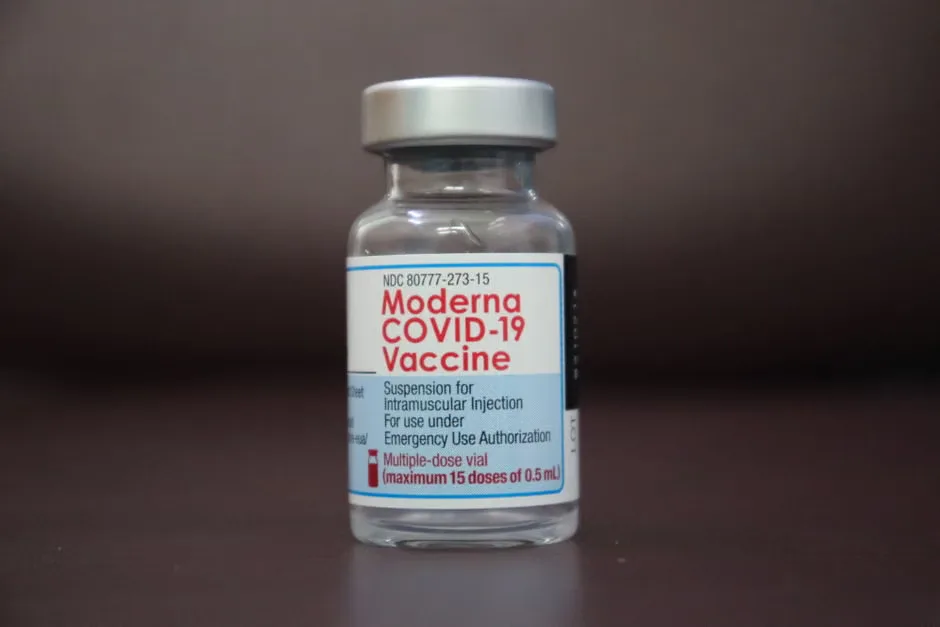
Despite these challenges, international partners including the WHO and UNICEF have deployed additional mobile units and community engagement teams to remote areas. Over 300,000 doses of the Ebola vaccine have been administered so far, with a focus on frontline workers and contacts of confirmed cases.
Experts warn that without sustained access and improved security, the outbreak could continue to expand, potentially crossing regional borders. Neighboring countries have heightened surveillance and preparedness measures in response to the growing threat.
Ebola, a severe and often fatal illness caused by the Ebolavirus, spreads through direct contact with bodily fluids of infected individuals or contaminated surfaces. Symptoms include fever, vomiting, diarrhea, and hemorrhaging, with fatality rates averaging around 50% in past outbreaks.
Ebola Outbreak Response Faces Critical Challenges in Conflict Zones
Efforts to control the outbreak are further complicated by the region’s long-standing instability, where multiple armed groups operate and civilians frequently flee violence. Health workers often require armed escorts to reach affected areas, delaying treatment and increasing operational costs. Community resistance, fueled by misinformation and fear, has also led to delays in seeking care and reluctance to participate in burial safety protocols.
To address these barriers, local health authorities have expanded risk communication campaigns using radio broadcasts and trusted community leaders to promote awareness about symptoms, prevention, and the safety of vaccines. These initiatives aim to build trust and encourage early reporting of suspected cases.
Key questions
- Why is the Ebola outbreak in Congo growing so rapidly?
- The outbreak is accelerating due to ongoing violence and insecurity in eastern Congo, which limits access to treatment centers, disrupts vaccination campaigns, and forces population displacement. Attacks on health facilities and mistrust of medical teams have further hampered containment efforts, allowing the virus to spread more easily in hard-to-reach areas.
- How is the international community responding to the Ebola crisis in Congo?
- International organizations including the World Health Organization and UNICEF have deployed mobile health units, distributed over 300,000 vaccine doses, and supported community engagement programs to improve trust and access. Neighboring countries have also increased surveillance and preparedness to prevent cross-border transmission.