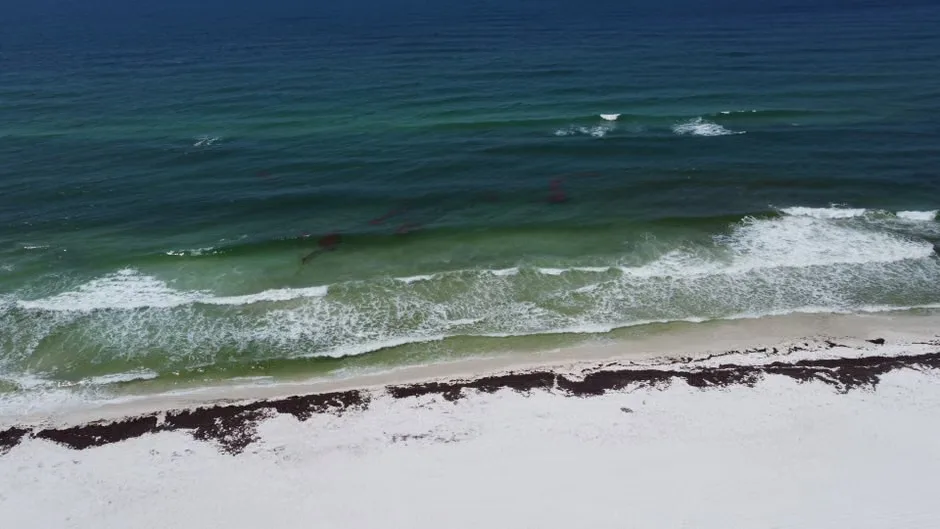
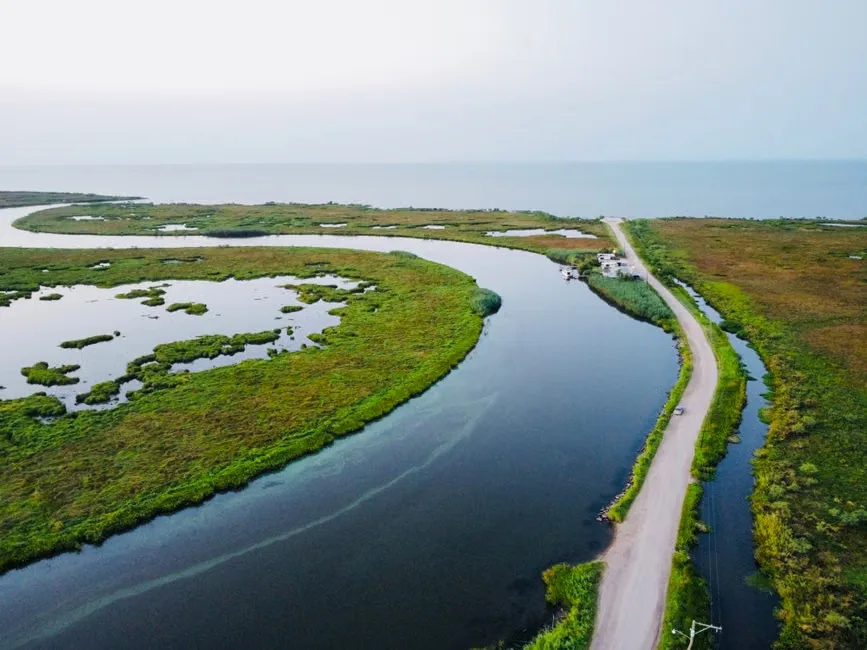
Louisiana state health officials have confirmed five fatalities linked to Vibrio vulnificus infections acquired from exposure to warm coastal waters, marking a significant increase in cases this season. The bacteria, often referred to as 'flesh-eating' due to its rapid tissue destruction, thrives in brackish and saltwater environments when temperatures rise above 68°F. All victims had pre-existing open wounds that came into contact with seawater during recreational activities along the Gulf Coast.
According to the Louisiana Department of Health, Vibrio vulnificus causes approximately 80,000 illnesses and 100 deaths annually in the United States, with cases peaking between May and October. Individuals with compromised immune systems, liver disease, or diabetes face heightened risk of severe infection, which can progress to sepsis or necrotizing fasciitis within 24 to 48 hours of exposure.
Dr. Joseph Kanter, Louisiana State Health Officer, emphasized the urgency of preventive measures: Anyone with a cut, scrape, or fresh wound should avoid contact with saltwater or brackish water. If exposure occurs, wash the area thoroughly with soap and clean water and seek immediate medical attention if signs of infection develop.
Early symptoms of Vibrio vulnificus infection include fever, chills, low blood pressure, and distinctive skin lesions that rapidly expand and turn purple or black. Medical professionals stress that prompt administration of antibiotics such as doxycycline and ceftazidime significantly improves survival rates, but delays in treatment can result in limb amputation or death.
Public health authorities recommend avoiding seawater exposure with any open wound, wearing protective footwear when walking in tidal areas, and promptly cleaning any marine-related injuries. Clinicians are advised to consider Vibrio vulnificus in patients presenting with severe skin infections after coastal water exposure, particularly during summer months.
Understanding Vibrio vulnificus Risks in Coastal Environments
Vibrio vulnificus is naturally present in marine ecosystems and does not indicate pollution; its concentration increases with water temperature, making climate trends a factor in seasonal outbreak patterns. The bacteria cannot be transmitted person-to-person but poses a serious threat to vulnerable individuals through direct water contact. Surveillance efforts along the Gulf Coast have intensified to monitor bacterial levels and issue timely advisories.
While infections remain rare relative to the number of beachgoers, the high mortality rate necessitates heightened awareness. Ongoing research focuses on improving rapid diagnostic tools and public education campaigns to reduce preventable cases. Health officials stress that enjoying coastal waters safely is possible with proper precautions, especially for those with underlying health conditions.
Key questions
- What is Vibrio vulnificus and how do people get infected?
- Vibrio vulnificus is a naturally occurring bacterium found in warm coastal seawater that can cause severe skin infections and bloodstream illness when it enters the body through open wounds. Infection occurs when broken skin is exposed to contaminated water, not through person-to-person contact or consuming properly cooked seafood.
- Who is most at risk for severe Vibrio vulnificus infection and what are the warning signs?
- Individuals with liver disease, diabetes, weakened immune systems, or chronic illnesses are at highest risk for rapid-onset severe infection. Early warning signs include fever, chills, low blood pressure, and rapidly spreading skin lesions that turn purple or black, requiring immediate emergency medical care.