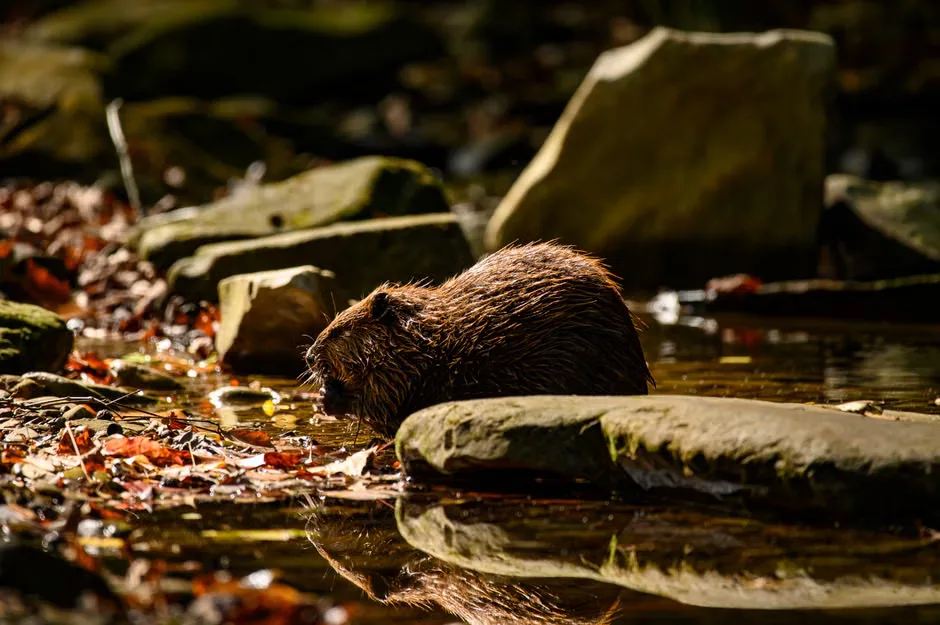
Cunningham Falls State Park in western Maryland has been partially closed after two beavers tested positive for rabies following attacks on park visitors, according to the Maryland Department of Natural Resources (DNR). The first incident occurred in early June when a beaver bit a visitor near the Falls Trail area. A second beaver, captured and tested after a similar attack later that month, also returned positive for the rabies virus, prompting expanded closures.
Park officials have shut down sections of the Falls Trail, nearby picnic areas, and portions of the Hunting Creek Wildlife Management Area as a precaution. Signs warning visitors to avoid wildlife and report aggressive animal behavior have been posted at trailheads. The DNR emphasized that while rabies in beavers is rare, it is almost always fatal once symptoms appear and poses a serious risk to humans and pets.
Any mammal can contract rabies, and while beaver attacks are uncommon, aggressive behavior in wildlife should always be treated as a potential warning sign, said Dr. Jennifer Mullinax, wildlife ecologist at the University of Maryland. The public should observe animals from a distance and never attempt to feed or handle wild mammals, especially those acting unusually bold or aggressive.
Rabies is transmitted through the saliva of infected animals, typically via bites. Early symptoms in humans include fever, headache, and weakness, progressing to neurological issues such as anxiety, confusion, and hydrophobia. Post-exposure prophylaxis is highly effective if administered promptly after a potential exposure. Health officials recommend that anyone bitten or scratched by a wild animal seek medical care immediately and report the incident to local health authorities.
Wildlife biologists note that rabies cases in beavers are infrequent but not unprecedented in the Mid-Atlantic region. Increased surveillance and public education efforts are underway to monitor wildlife health and prevent further incidents. The DNR is working with state health officials to test additional animals in the area and will reopen closed sections only after determining the area is safe for public use.
Wildlife Safety and Public Health Response
Experts stress that avoiding contact with wild animals remains the best defense against rabies transmission. Pet owners are urged to ensure vaccinations are up to date, as unvaccinated dogs and cats are at risk if exposed. The park closure serves as a reminder that even in recreational areas, wildlife boundaries must be respected to protect both public safety and animal welfare.
Key questions
- How common is rabies in beavers?
- Rabies in beavers is extremely rare, with only a handful of cases reported nationwide each year. However, any mammal can contract the virus, and aggressive or unusual behavior in wildlife should be treated as a potential sign of infection. Public health officials emphasize that while the risk is low, consequences of exposure are severe without prompt treatment.
- What should I do if I am bitten by a wild animal?
- If bitten or scratched by a wild animal, wash the wound thoroughly with soap and water, seek medical attention immediately, and report the incident to local animal control or health authorities. Post-exposure rabies vaccination is highly effective when administered promptly. Do not attempt to capture or handle the animal yourself.