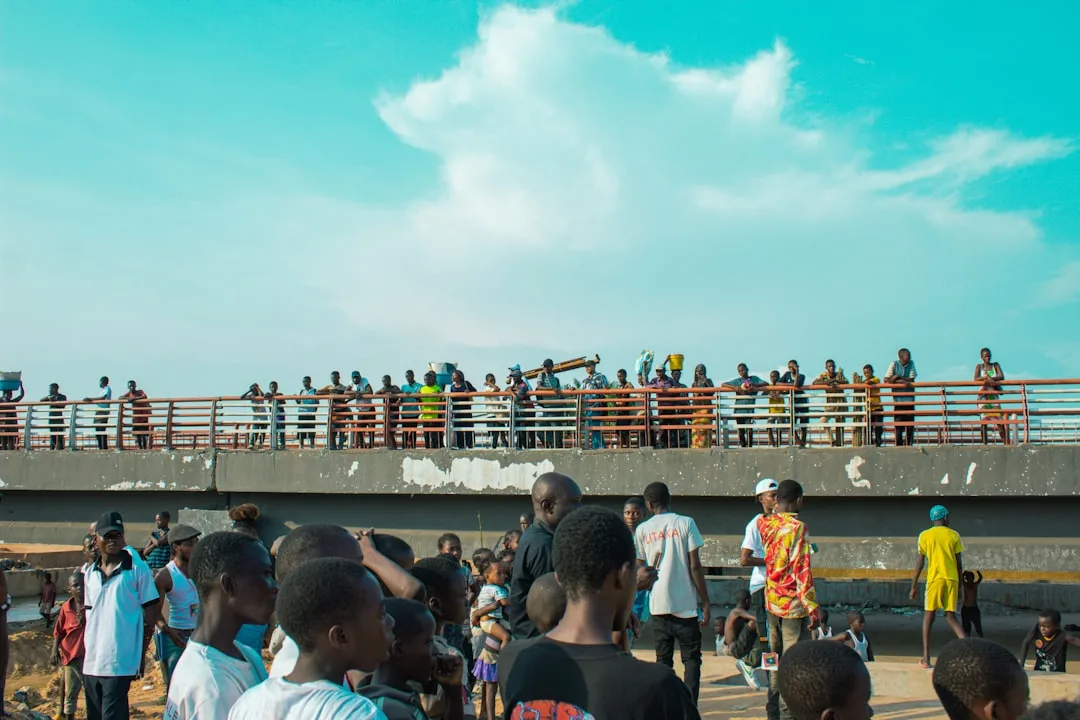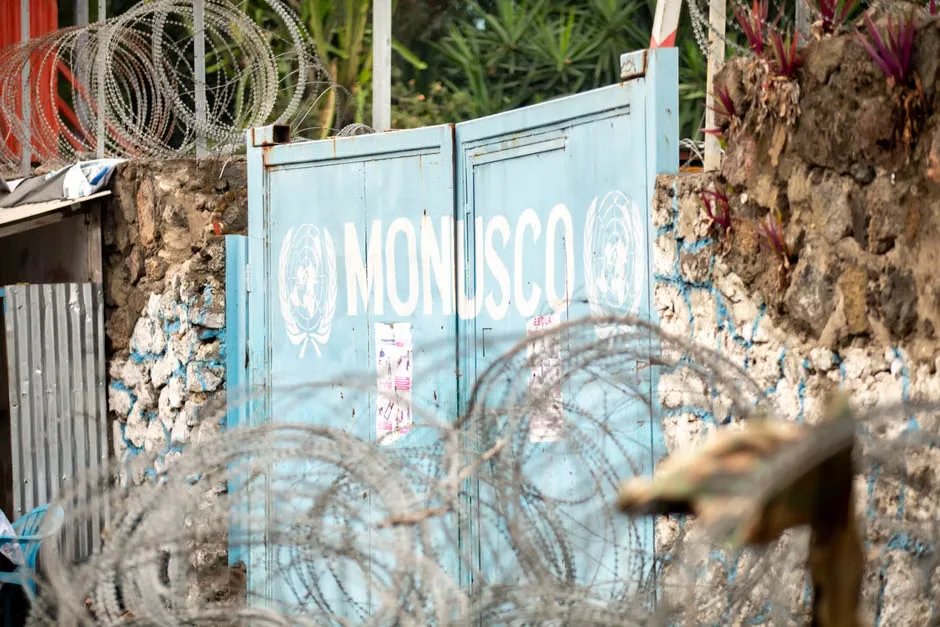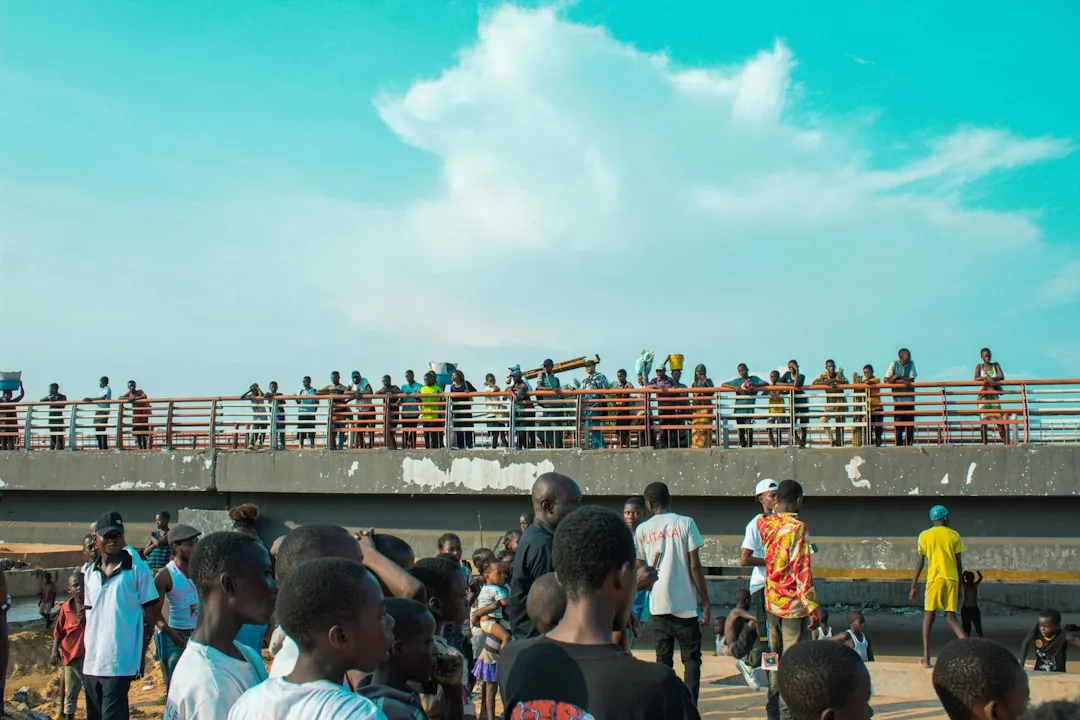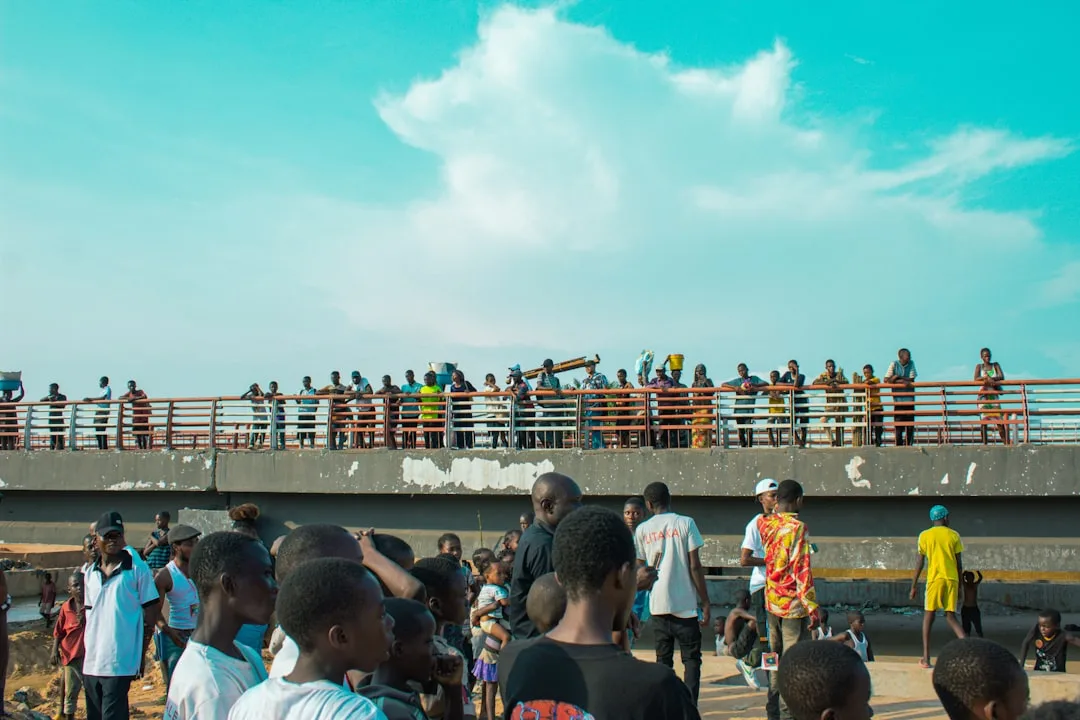
Ebola deaths in DRC have officially surpassed 2,000 people as the region battles the fastest-growing outbreak in history. The crisis, which began in February, has strained local healthcare systems across the Democratic Republic of Congo.
This surge represents a significant escalation in viral transmission within the region. According to the World Health Organization, the current trajectory marks this as the most rapid expansion of the virus ever recorded (WHO). The outbreak has spread across multiple provinces, complicating the logistics of containment and patient transport.
The World Health Organization and Africa CDC have called for urgent, community-led action to contain the spread of the virus within the affected provinces.
The rapid escalation of cases highlights the systemic vulnerabilities within the Democratic Republic of Congo's healthcare framework. In many affected regions, the distance to the nearest clinic is prohibitive, and the lack of personal protective equipment for frontline workers has increased the risk of nosocomial infections. Furthermore, the instability in certain eastern regions of the country makes it nearly impossible for health workers to maintain consistent surveillance. This environment creates a cycle where the fear of the clinic outweighs the fear of the disease, leading to hidden cases.
The call for community-led action by the Africa CDC indicates a strategic shift in how global health bodies approach epidemics. By empowering local leaders and traditional healers to lead the communication effort, the World Health Organization hopes to reduce the stigma associated with the disease. This approach recognizes that medical science alone cannot stop an outbreak if the social fabric of the community is not engaged. When local leaders advocate for safe burial practices and early testing, the rate of community transmission typically drops significantly.
Health officials are now prioritizing the deployment of vaccines and the establishment of more community-based surveillance teams to identify new cases faster. The goal is to create a ring of immunity around the most active clusters to prevent the virus from reaching major urban centers.
Ebola is a severe hemorrhagic fever caused by the Ebola virus, characterized by high fever, internal bleeding, and organ failure. It is primarily transmitted through direct contact with infected bodily fluids. The Democratic Republic of Congo has a long history of battling various strains of the virus, making the region a focal point for research into the Ervebo vaccine. This vaccine has proven effective in reducing mortality when administered quickly to contacts of confirmed cases.
Managing Ebola deaths in DRC and Outbreak Containment
Key questions
- When did the current Ebola outbreak in the DRC begin?
- The outbreak began in February. It has since become the fastest-growing outbreak in history.
- What is the current death toll of the outbreak?
- The number of deaths has officially surpassed 2,000 people in the Democratic Republic of Congo.