The Democratic Republic of Congo’s Ministry of Health has announced that over 2,000 people have died in the ongoing Ebola outbreak, marking the fastest-growing epidemic of the virus in the country’s history. The announcement came late last week as health teams reported a sharp spike in new cases across multiple provinces, particularly in the eastern regions where insecurity has hampered response efforts.
According to officials, the outbreak has surpassed previous records in both speed of transmission and case fatality rate, with more than 3,500 confirmed infections reported since the resurgence began earlier this year. The World Health Organization has classified the situation as a grade 2 emergency, citing urgent needs for medical supplies, personnel, and community engagement to curb further spread.
Dr. Jean-Jacques Muyembe, Director of the National Institute for Biomedical Research in Kinshasa, stated, We are facing an unprecedented challenge — the virus is spreading faster than we can contain it, despite our best efforts on the ground. He emphasized that delayed detection and community reluctance to seek treatment have significantly contributed to the rapid escalation.
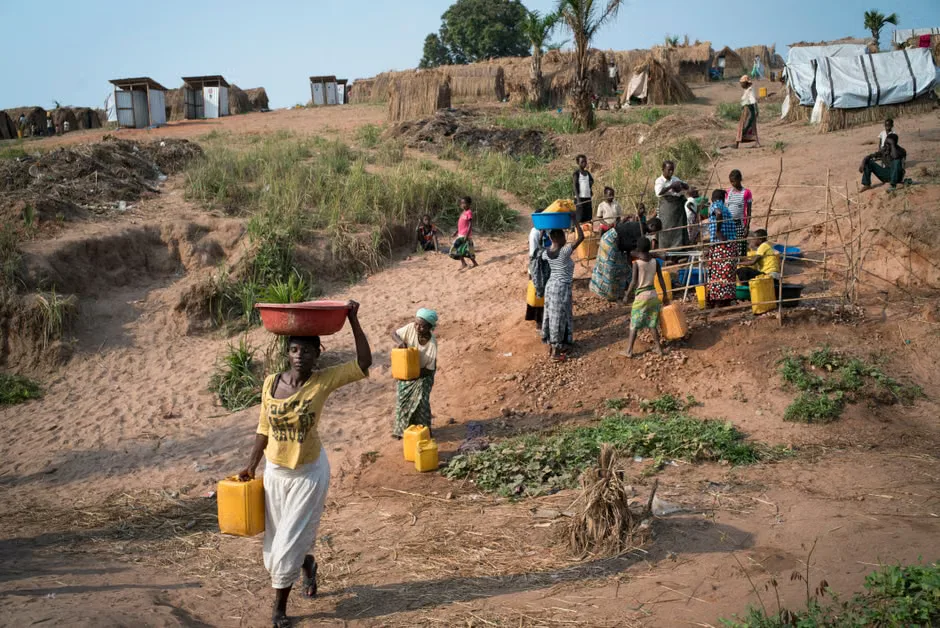
Analysis shows that the current strain, while not more virulent than past variants, is exploiting gaps in surveillance and healthcare access in conflict-affected areas. Displacement of populations due to armed group activity has made contact tracing nearly impossible in some zones, allowing chains of transmission to go undetected for weeks.
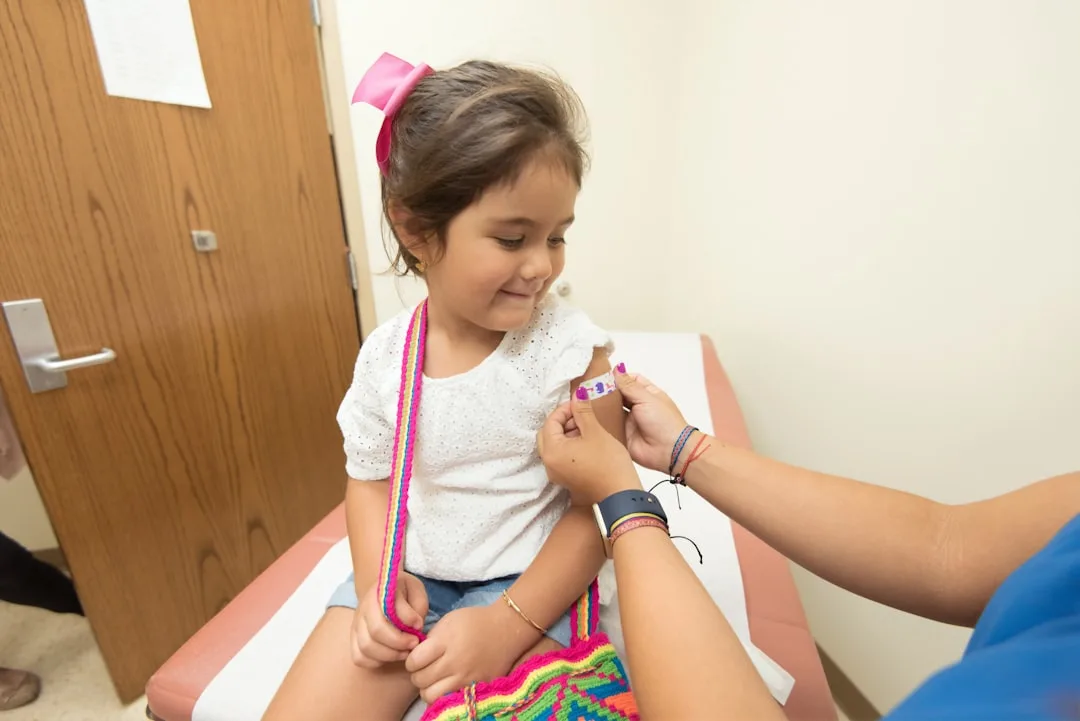
Furthermore, vaccine hesitancy and misinformation continue to undermine immunization campaigns, even as over 500,000 doses have been administered. Health workers report that rumors about the vaccine causing infertility or being a Western plot persist in certain communities, requiring sustained outreach by local leaders and trusted figures.
Ebola Outbreak Response Faces Mounting Logistical and Security Hurdles
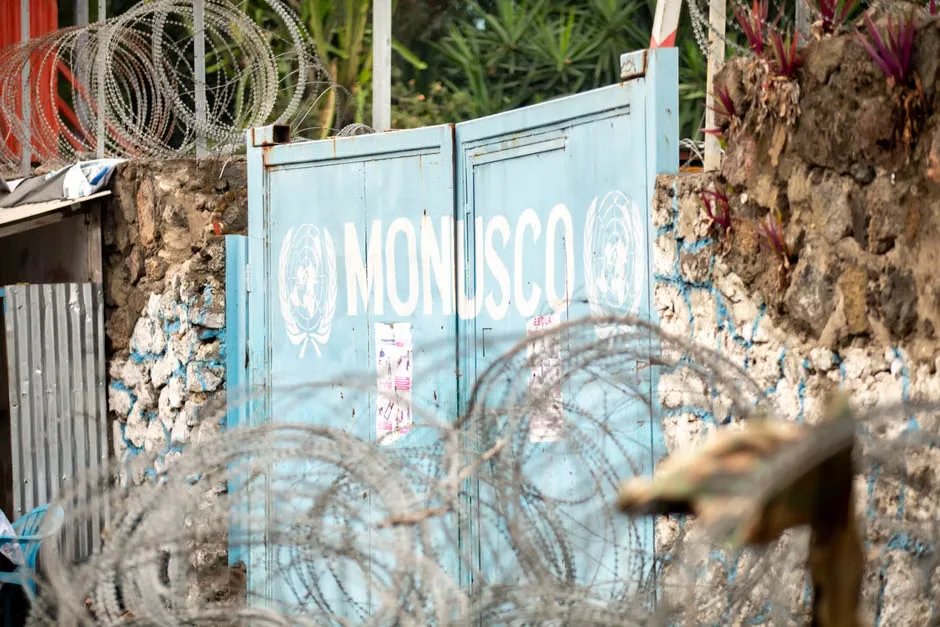
The Congolese government, supported by UN agencies and NGOs, has deployed mobile treatment units and rapid response teams to hotspots, but frequent attacks on health facilities have forced temporary suspensions of aid. In the past month alone, over a dozen health centers were looted or destroyed, disrupting cold chains for vaccines and medicines.Looking ahead, officials warn that without increased funding and improved access to insecure areas, the outbreak could persist for another 6 to 9 months. Neighboring countries have heightened border screenings, and the Africa CDC is coordinating a regional preparedness plan to prevent cross-border spread.
Ebola virus disease, first identified in 1976 near the Ebola River in what is now the Democratic Republic of Congo, remains one of the deadliest pathogens known to humans, with fatality rates ranging from 25% to 90% depending on the strain and quality of care. While advances in therapeutics and vaccines have improved survival rates in recent outbreaks, equitable access remains a critical challenge in resource-limited settings.
Key questions
- Why is this Ebola outbreak considered the fastest-growing on record?
- Health officials say the outbreak is spreading at an unprecedented speed due to a combination of high transmission rates in densely populated areas, limited access to healthcare in conflict zones, and delays in case detection and reporting. These factors have allowed the virus to infect more people in a shorter time than in any previous outbreak in the country.
- What challenges are hindering efforts to control the Ebola spread in Congo?
- Ongoing insecurity from armed groups has led to attacks on health facilities, disrupting treatment and vaccination efforts. Additionally, vaccine hesitancy fueled by misinformation and community mistrust, combined with difficult terrain and population displacement, has made containment difficult despite international support.