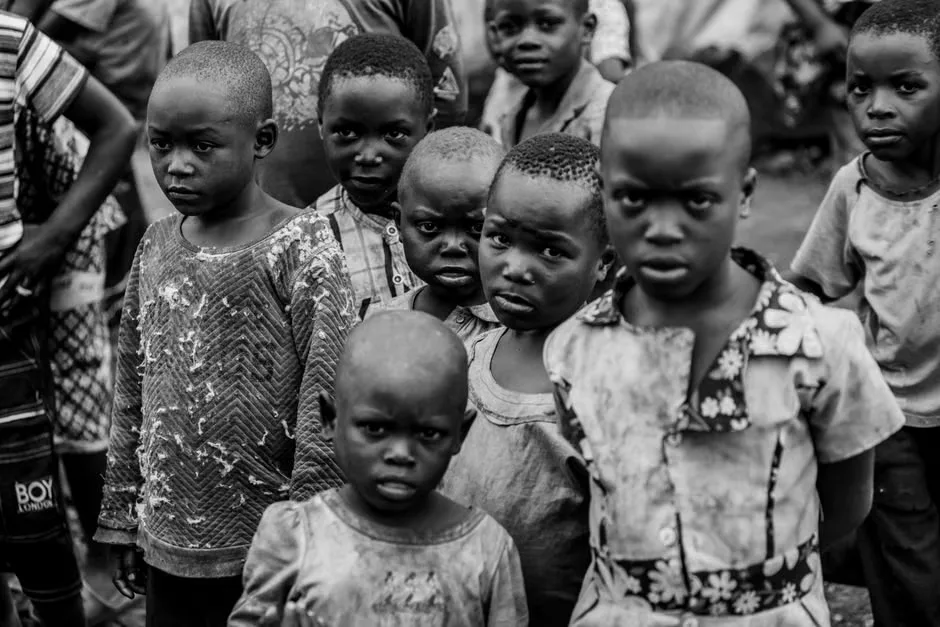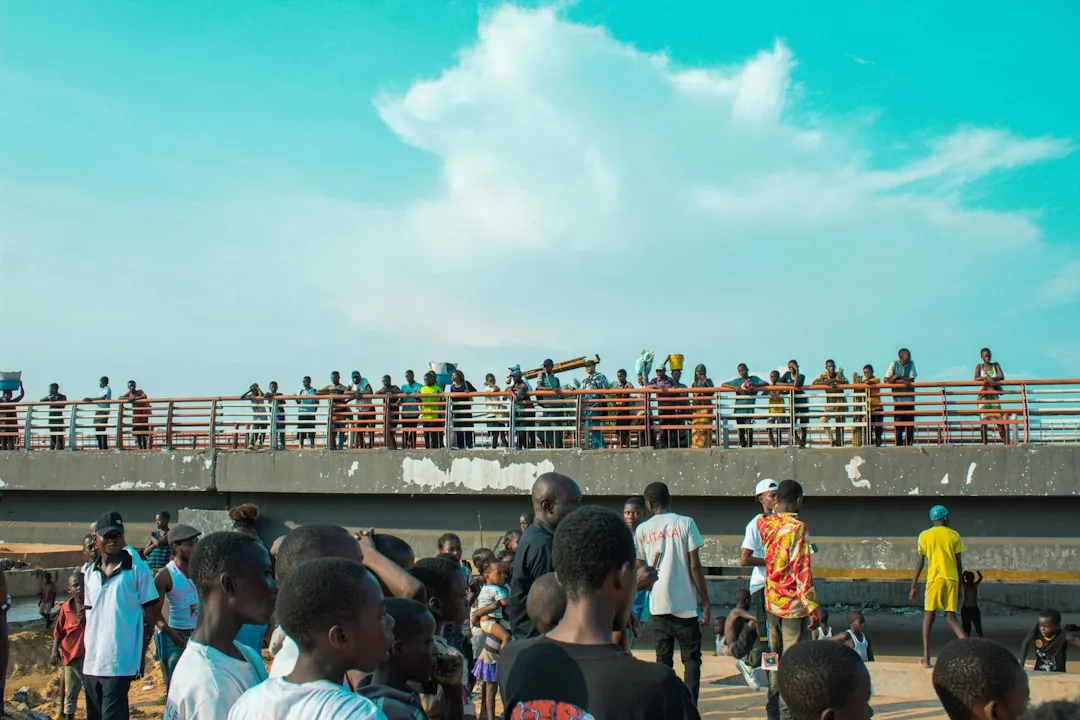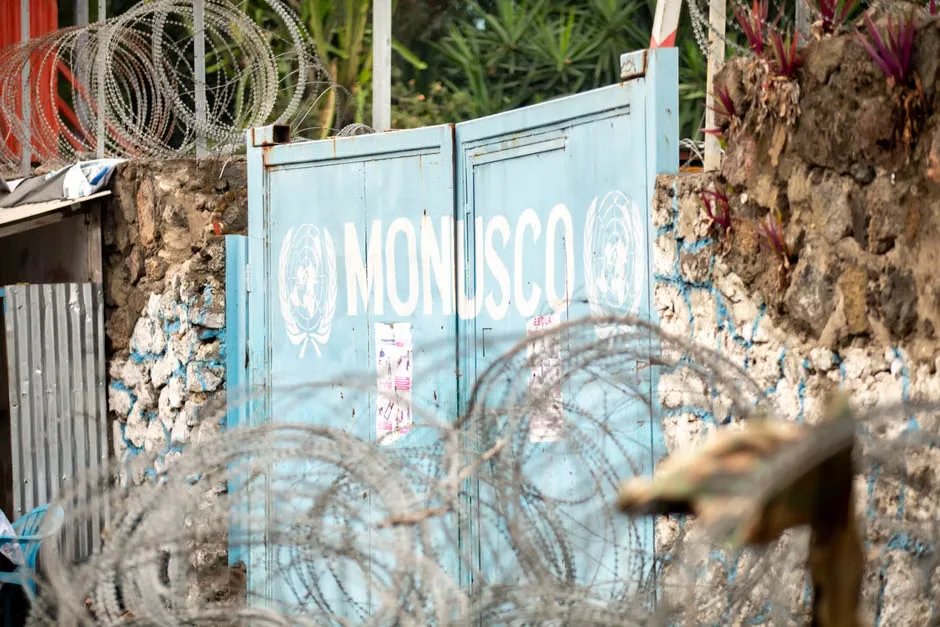
An Ebola outbreak in Congo has claimed 1,700 lives as the virus spreads rapidly through the eastern provinces. Health authorities are working to contain the surge in the Democratic Republic of the Congo to prevent further regional transmission.
The current crisis represents one of the most aggressive expansions of the virus seen in the region. According to recent reports, the death toll has reached 1,700 (AP News), highlighting the severity of the transmission rates in densely populated areas where medical resources are scarce.
Medical officials have characterized the current situation as the fastest-growing outbreak the region has encountered, emphasizing the urgent need for immediate medical intervention and international support.
The rapid spread of the Ebola outbreak in Congo is likely exacerbated by the ongoing instability in eastern Congo, where localized conflict often hinders the delivery of essential medical supplies and personnel. When healthcare infrastructure is compromised or destroyed, early detection of the virus becomes nearly impossible, allowing the pathogen to move undetected through vulnerable communities for days before a cluster is identified.
Furthermore, containment efforts rely heavily on community trust and the ability to implement safe burial practices. Without local cooperation, the cycle of infection continues, as the virus remains highly contagious during the late stages of illness and immediately after death. The challenge of balancing cultural traditions with strict bio-safety protocols remains a primary hurdle for response teams.
Managing the Ebola outbreak in Congo
To combat the surge, health workers are implementing ring vaccination strategies, which involve vaccinating the contacts of confirmed cases to create a buffer of immunity. This method has proven effective in previous epidemics but requires precise tracking and a stable security environment to be fully successful in the eastern provinces.
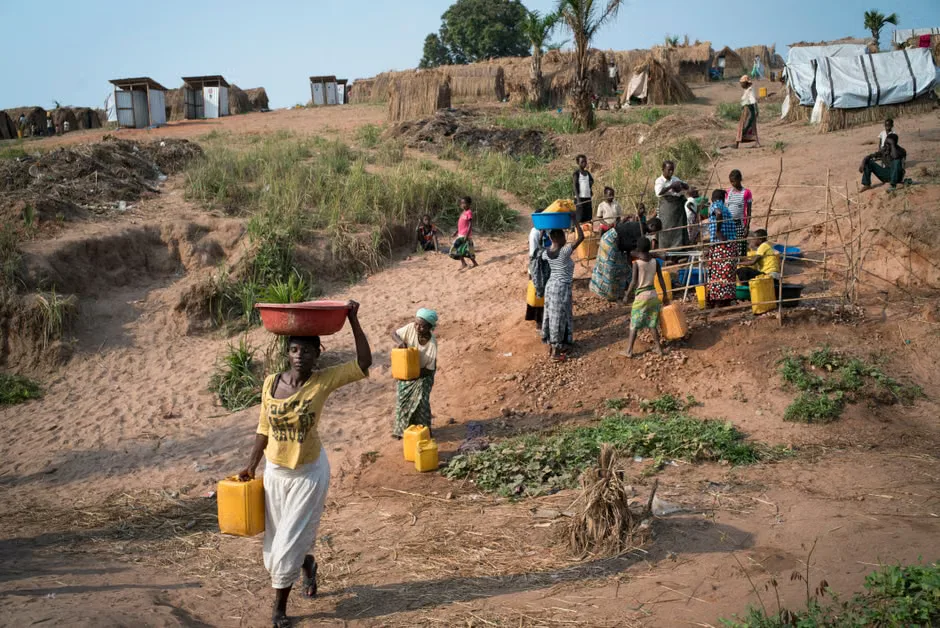
The socio-economic impact of the virus is equally devastating, as markets close and travel restrictions are imposed to slow the spread. This disruption to trade and food security creates a secondary crisis, leaving thousands of displaced people in the region without basic necessities while they face the threat of infection.
International health organizations are expected to increase vaccine distribution and deploy more mobile clinics to the affected zones. The focus will remain on aggressive contact tracing to break the chain of transmission before the virus reaches neighboring urban centers or crosses international borders.
Ebola is a severe viral hemorrhagic fever that causes systemic organ failure and high mortality rates. It is transmitted through direct contact with infected bodily fluids, requiring strict isolation protocols and specialized personal protective equipment to manage safely. The World Health Organization continues to monitor these patterns to develop more resilient response frameworks for future occurrences.
Key questions
- How is Ebola transmitted?
- Ebola spreads through direct contact with the blood or other bodily fluids of an infected person. It can also be transmitted via contaminated objects, such as needles or medical equipment.
- What are the primary symptoms of Ebola?
- Early symptoms typically include fever, fatigue, and muscle pain. As the disease progresses, patients may experience vomiting, diarrhea, and in severe cases, internal and external bleeding.