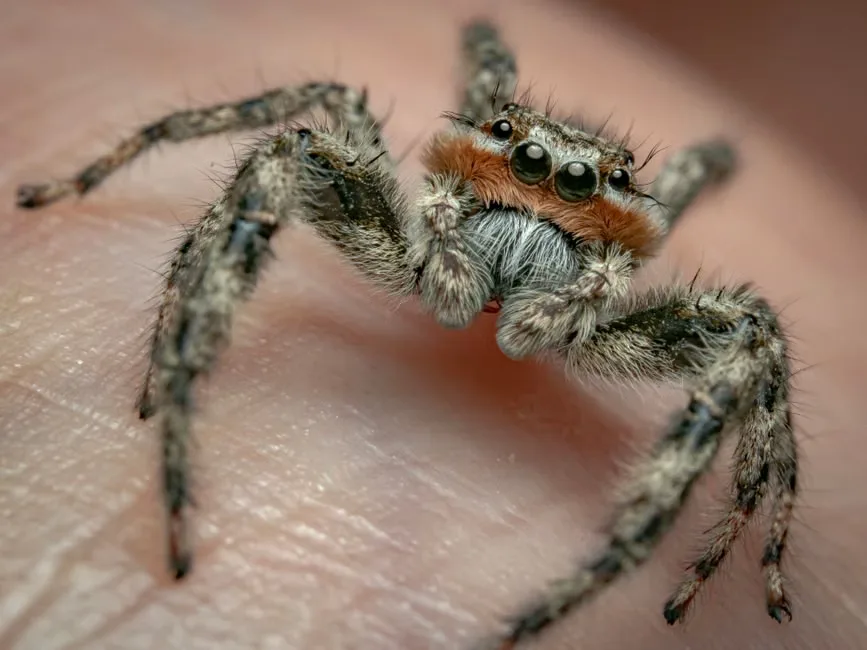
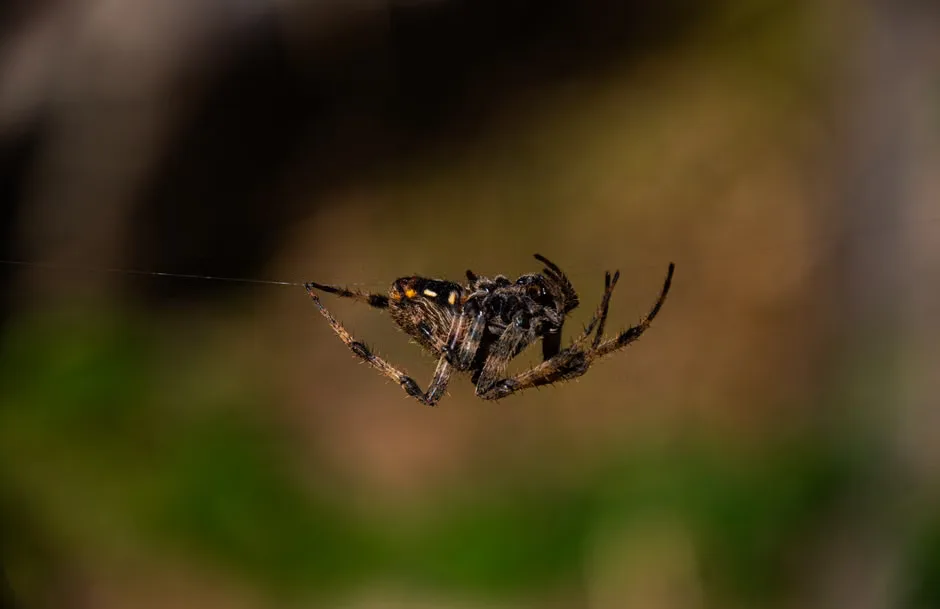
A Kansas spider bite nearly claimed the life of a mother of four during a family campfire gathering. The woman faced severe medical complications that left doctors warning she had only days to live before her eventual recovery.
The incident occurred during a routine outdoor activity, highlighting the hidden dangers of local arachnids in the Midwest. According to the Centers for Disease Control and Prevention (CDC), while most spider bites are harmless, certain species in the United States can cause systemic toxicity or localized necrosis (CDC.gov).
Family members reported that the mother was told she had only days to live as her body struggled to fight off the effects of the mysterious bites.
The severity of the reaction suggests that the victim may have encountered a highly potent venom or suffered an anaphylactic response. When venom enters the bloodstream, it can trigger a cascade of inflammatory responses that lead to organ failure or severe tissue death, requiring immediate intervention in an intensive care unit.
The subsequent launch of a GoFundMe campaign highlights the intersection of medical emergencies and financial instability. The cost of critical care, including ventilators or dialysis, often exceeds insurance limits, leaving families to rely on community support to cover mounting hospital bills.
As the survivor continues her recovery, medical professionals are focusing on rehabilitative care to restore full functionality. This case serves as a cautionary tale for residents to remain vigilant during outdoor activities and to seek immediate medical attention for any unexplained skin lesions or systemic illness.
Kansas is known to be a habitat for the brown recluse spider, which is notorious for causing necrotic ulcers. Unlike many other spiders, the brown recluse's venom can destroy skin and muscle tissue, sometimes leading to systemic complications if not treated with proper wound care and medication.
Managing the Risks of a Kansas Spider Bite
The psychological impact of such a near-death experience often requires as much attention as the physical healing. Survivors of severe venomous bites frequently report anxiety regarding outdoor spaces, necessitating a gradual return to normalcy.
Furthermore, the mysterious nature of the bite—where the spider was not captured or identified—complicates the medical response. Without a specimen, doctors must rely on symptomatic treatment rather than specific antivenoms, which can prolong the recovery period.
Public health experts recommend that individuals clear debris and woodpiles away from living areas to reduce spider habitats. When camping or hosting campfires, using chairs and avoiding leaning against logs can significantly decrease the likelihood of an accidental encounter.
Key questions
- What are the symptoms of a severe spider bite?
- Severe symptoms can include intense pain, skin necrosis, fever, and systemic organ failure. Immediate medical attention is required if a bite spreads or causes systemic illness.
- How can you prevent spider bites during campfires?
- Avoid leaning against logs or piles of wood where spiders typically hide. Shake out blankets and clothing before use to ensure no arachnids are present.