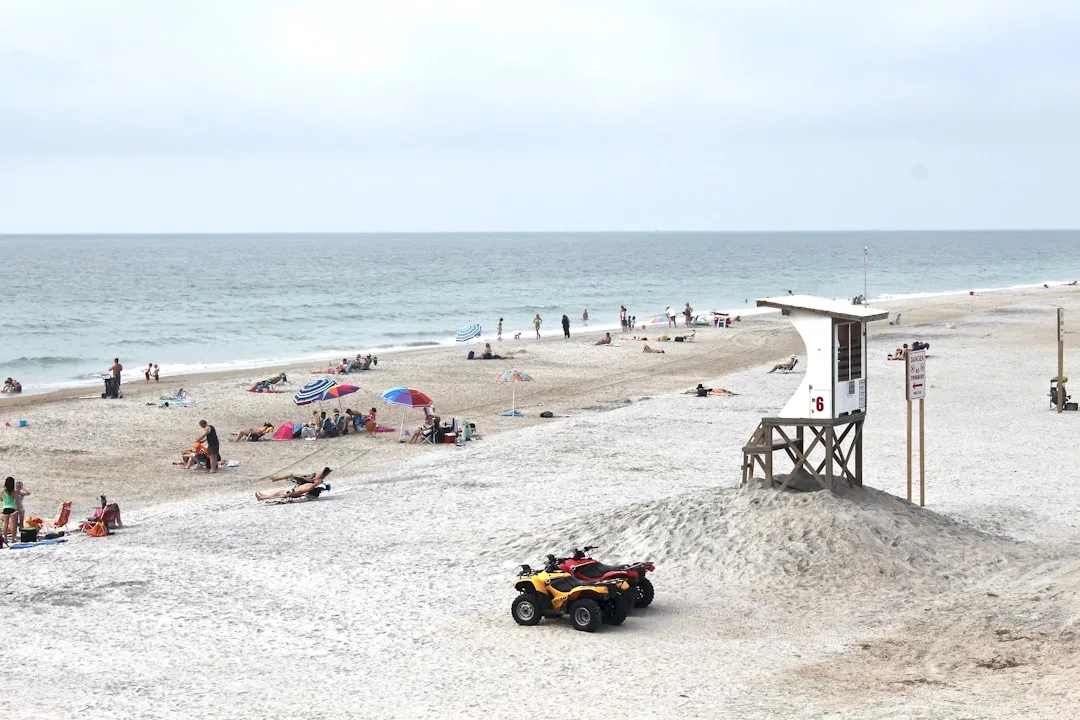
At least seven people have died from Vibrio vulnificus infections along the Gulf Coast this year, with five fatalities confirmed in Louisiana, according to state health officials and regional news reports. The bacterium, often referred to as flesh-eating bacteria, thrives in warm coastal waters and can cause severe skin infections, sepsis, and rapid tissue destruction. Most cases occur between May and October when water temperatures rise, increasing the risk of exposure for swimmers, fishermen, and beachgoers.
The Centers for Disease Control and Prevention estimates that Vibrio vulnificus causes approximately 80,000 illnesses and 100 deaths annually in the United States, with a fatality rate exceeding 20% in severe cases. Individuals with underlying health conditions such as liver disease, diabetes, or weakened immune systems are at significantly higher risk of life-threatening complications.
Dr. Joseph Kanter, Louisiana State Health Officer, emphasized the importance of preventive measures, stating, People with fresh cuts, scrapes, or new tattoos should avoid contact with saltwater or brackish water, and anyone who experiences symptoms like fever, redness, or swelling after water exposure should seek medical care immediately.
Health experts note that while infections are rare, they progress rapidly, sometimes becoming fatal within 24 to 48 hours without prompt antibiotic treatment and surgical intervention. Early symptoms include intense pain at the wound site, redness, swelling, and flu-like signs, which can quickly escalate to hypotension and organ failure.
To reduce risk, officials recommend avoiding coastal water exposure if any open wounds are present, wearing protective water shoes, and thoroughly washing with soap and clean water after any contact with seawater or marine life. Prompt cleaning and disinfection of even minor wounds are critical in preventing infection.
Understanding Vibrio Vulnificus and Public Health Response
Vibrio vulnificus is naturally present in warm marine environments and is not caused by pollution, though its concentration can increase in areas with freshwater runoff. Unlike some waterborne pathogens, it does not spread from person to person. State health departments along the Gulf Coast have increased surveillance and issued public advisories, particularly in Louisiana, Mississippi, and Alabama, where cases have clustered.
Although no vaccine exists, public health efforts focus on education and timely medical response. Hospitals in high-risk areas have been alerted to recognize early signs of vibriosis, and clinicians are advised to consider Vibrio vulnificus in patients with severe wound infections following coastal water exposure, especially during summer months.
Key questions
- What is Vibrio vulnificus and how is it contracted?
- Vibrio vulnificus is a bacterium naturally found in warm coastal waters that can cause severe skin and bloodstream infections. It enters the body through open wounds exposed to seawater or by consuming raw or undercooked shellfish. Infections are not contagious between people.
- Who is most at risk for severe Vibrio vulnificus infection, and what are the early symptoms?
- Individuals with liver disease, diabetes, or weakened immune systems face the highest risk of severe or fatal outcomes. Early symptoms include fever, chills, intense pain, redness, or swelling at a wound site, which can progress rapidly and require emergency medical care.