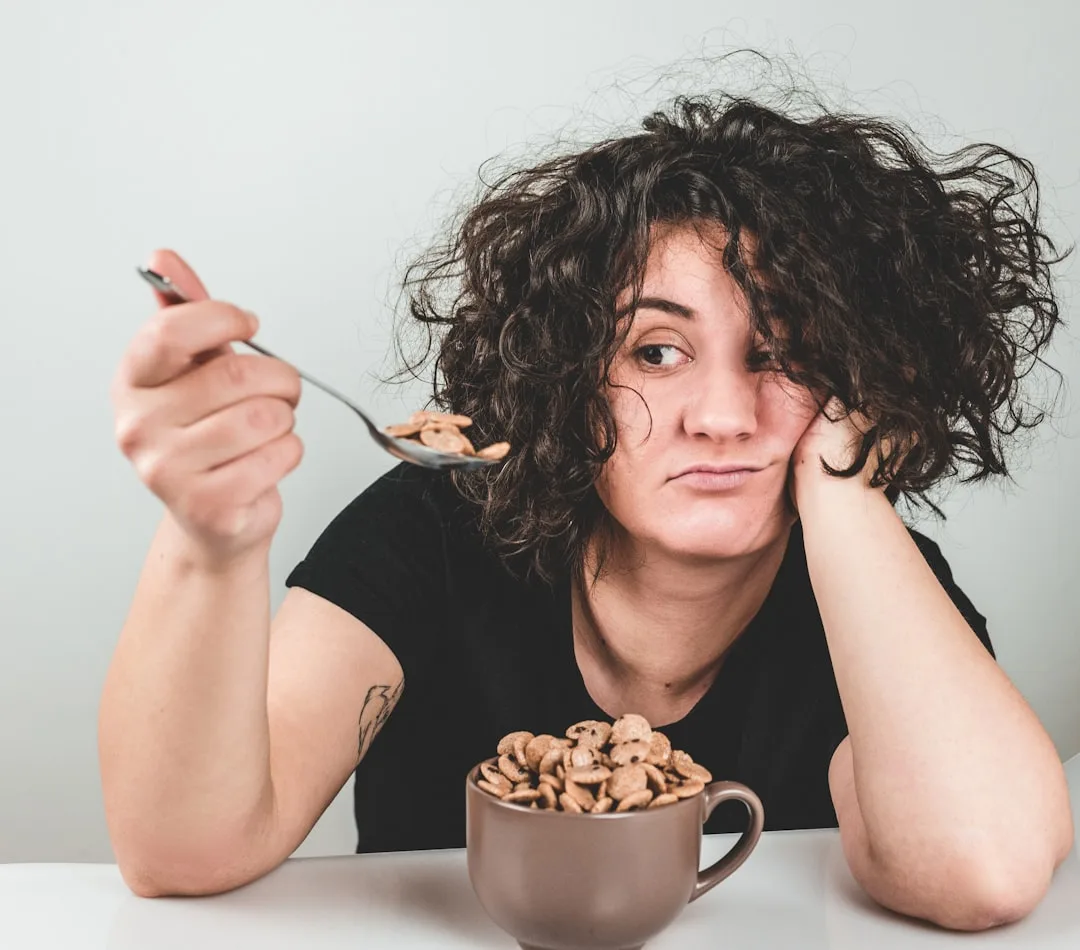
That tight, uncomfortable fullness after a meal is one of the most common—and frustrating—digestive complaints. Whether it is caused by eating too fast, a high-sodium dish, or just how your gut processes certain foods, bloating can leave you feeling heavy and low. The good news? You don’t need a pharmacy aisle full of pills to find relief. There are simple, natural ways to stop bloating after meals—many of which you can do right at home.
Why Do You Bloat After Meals?
Bloating is a normal digestive response. When you eat, your stomach and intestines fill with food, liquid, and gas. Some of that gas comes from swallowing air while eating or drinking, and some from bacteria in your lower gut breaking down undigested carbohydrates. For most people, bloating is temporary and harmless. It becomes a problem when it causes pain, embarrassment, or interferes with your day.
The good news is that you don’t have to rely on expensive supplements or over-the-counter antacids. Simple changes to the way you eat and move can make a big difference. Here are five natural remedies to help you stop bloating after meals.
1. Slow Down and Chew Thoroughly
The simplest way to reduce bloating is right in your mouth—your teeth. Chewing is the first step of digestion, and it is also where you can prevent excess air from getting into your stomach.
When you scarf down your food in a rush, you swallow air along with every bite. That air has to go somewhere, and it often ends up trapped in your digestive tract. Chewing each bite thoroughly mixes your food with saliva and slows your eating speed so your stomach can signal fullness before you overeat.
How to do it:
- Aim to chew each mouthful at least 20 to 30 times.
- Put your fork down between bites.
- Eat in a calm environment—not in front of the TV or while scrolling your phone.
- Take a breath before each bite to reset your pace.
2. Take a 10-Minute Walk After Eating
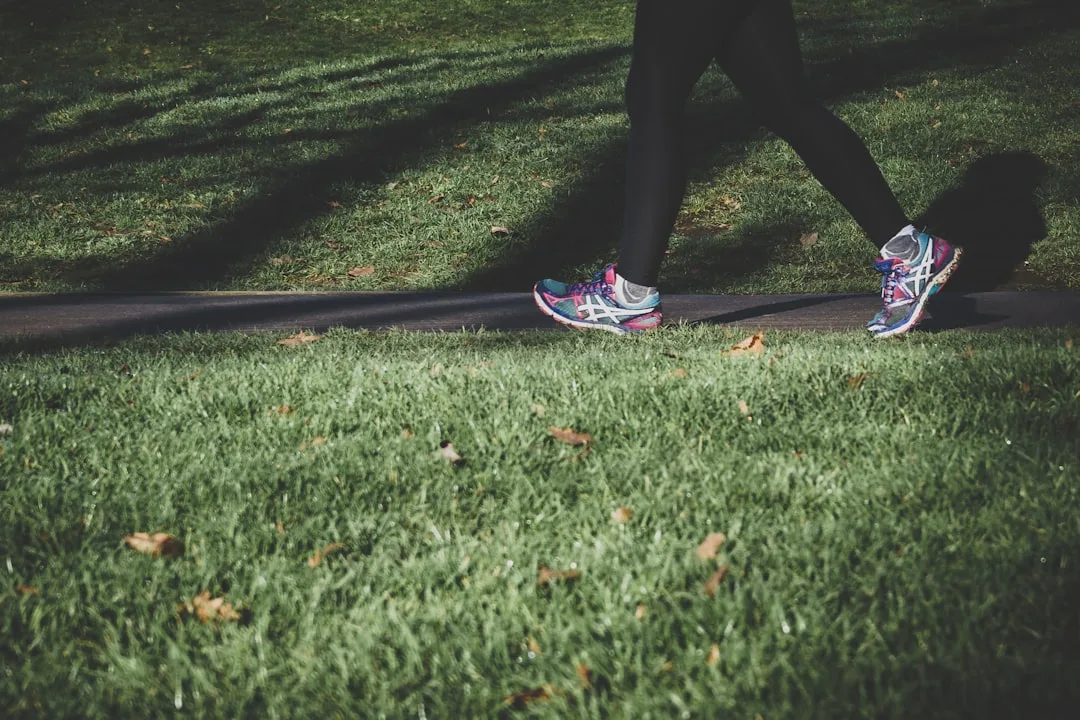
It might be tempting to lie down after a big meal, but that can actually make bloating worse. When you are horizontal, stomach acid and gas have a harder time moving through your system. A short, gentle walk does the opposite: it helps your stomach empty faster and stimulates the muscles in your digestive tract to push gas along.
You don’t need a vigorous workout. In fact, a leisurely stroll around the block is often just right.
How to do it:
- Wait about 10 minutes after your meal to allow digestion to start.
- Take a 10- to 15-minute walk at a relaxed pace.
- Keep your posture upright—slouching can trap gas.
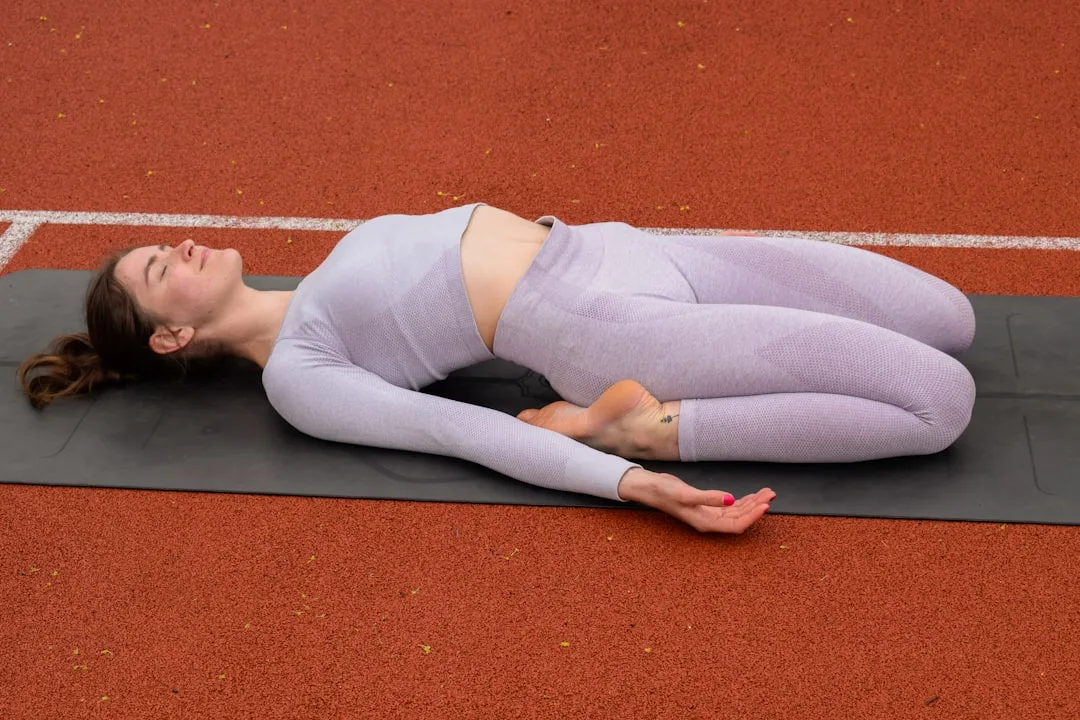
- If you cannot go outside, do some light stretching: try the wind-relieving yoga pose (crunching your knees toward your chest while lying down) to gently massage your abdomen.
3. Sip Hot Peppermint or Ginger Tea
Herbal teas have been used for centuries to ease digestive discomfort. Peppermint is a known antispasmodic—it relaxes the muscles in your intestinal wall, which can help smooth out cramping and move gas. Ginger is another natural hero, thanks to its anti-inflammatory properties and its ability to speed up gastric emptying.
A warm cup of tea after a meal is more than just a comforting ritual. The heat itself helps promote blood flow and digestive function. Both peppermint and ginger have a refreshing taste and are gentle on the stomach.
How to do it:
- Steep a peppermint tea bag (or 1 tablespoon of crushed dried peppermint leaves) in hot water for 5-7 minutes.
- For ginger tea, slice a few thin pieces of fresh ginger root into a cup of hot water and let it steep for 5 minutes, then strain.
- Sip slowly after your meal, but avoid drinking large amounts of any liquid with your meal, which can dilute stomach acid. The tea is best enjoyed 20 minutes after eating.
4. Use Traditional Digestive Aids
Beyond tea, there are other time-honored foods that can help you stop bloating after meals naturally. Fennel seeds, anise seeds, and cumin are all considered carminatives—herbs that help expel gas from your intestines. They are often eaten after a meal in many cultures.
Fennel seeds have a mild licorice flavor and are widely available in grocery stores. Chewing a small spoonful after your meal can freshen your breath and help you digest. You can also make a quick fennel tea.
How to do it:
- After eating, take 1/2 teaspoon of fennel seeds and chew them for a few minutes.
- Alternatively, steep 1 teaspoon of crushed fennel seeds in hot water for 10 minutes, then strain and drink.
- Add a pinch of cumin to your cooking or drink a cumin tea: simmer 1 teaspoon of cumin seeds in a cup of water for 5 minutes.
5. Balance Your Plate and Watch Your Sodium
Some bloating is caused by food choices, not how you eat. High-sodium meals can cause your body to hold onto fluid, leading to that puffy, full feeling. Foods that are heavy in certain types of carbohydrates—beans, lentils, broccoli, cabbage, onions, and artificial sweeteners—can create extra gas during digestion.
You don’t need to cut out these healthy foods. Instead, make smart swaps and keep portions moderate.
How to do it:
- Reduce salty foods: choose fresh vegetables, lean proteins, and whole grains over processed snacks and restaurant meals.
- Pair high-fiber foods like beans and greens with lemon-water or a small amount of ginger to aid digestion.
- If you’re sensitive to carbonated drinks, replace them with still water or herbal tea.
- Gradually increase your fiber intake over several weeks so your gut bacteria can adjust.
Remember that bloating can be your body’s signal that certain foods don’t agree with you. Tracking what you eat and how you feel afterwards can help you identify your personal triggers.
When to Talk to Your Doctor
Occasional bloating is normal, but if you experience severe or prolonged bloating, unexplained weight loss, persistent pain, or changes in bowel habits, it is important to see a health-care professional. These could be signs of an underlying condition such as irritable bowel syndrome, food intolerance, or another digestive disorder.
Disclaimer: This article is for general educational purposes only and is not a substitute for professional medical advice. Always consult a qualified health-care provider with any questions you may have about your digestive health or any other medical condition.
Frequently Asked Questions
Is bloating the same as water retention?
No. Bloating is usually a feeling of tightness and fullness in your abdomen, often caused by gas in your digestive tract. Water retention, on the other hand, is fluid build-up in body tissues and can cause swelling in your hands, legs, or face. Both can happen after a salty meal, but they are different processes.
Can drinking water help with bloating?
Drinking plain water is generally good for digestion, but drinking too much during a meal can distract your stomach acid. It is better to hydrate between meals. After you eat, sipping small amounts of warm water can help, but don’t gulp it down.
Are there any foods that are especially bad for bloating?
Common culprits include beans, carbonated drinks, artificial sweeteners, dairy (if you are lactose intolerant), and high-sodium foods. However, everyone is different. Keeping a food diary can help you pinpoint which foods cause you trouble.
How long does bloating usually last?
For most people, bloating after a meal clears up within a few hours, once the food and gas pass through the intestines. If bloating lasts longer than two or three days or keeps recurring, a doctor’s appointment is a good idea.
Key Takeaways
- Chew slowly and eat mindfully to reduce the air you swallow.
- Take a short walk after meals to help gas move through your system.
- Try warm peppermint or ginger tea to calm your digestive tract.
- Use fennel, cumin, or anise after meals as a natural carminative.
- Watch your salt intake and adjust fiber gradually to prevent fluid and gas-related bloating.
- If bloating is severe or persistent, check with your doctor.