Five individuals have died in Louisiana due to infections caused by Vibrio vulnificus, a rare but potentially fatal bacterium often referred to as flesh-eating bacteria, according to state health officials. The deaths occurred over the past several weeks, with additional cases resulting in hospitalization, prompting an urgent public health alert across the Gulf Coast region.
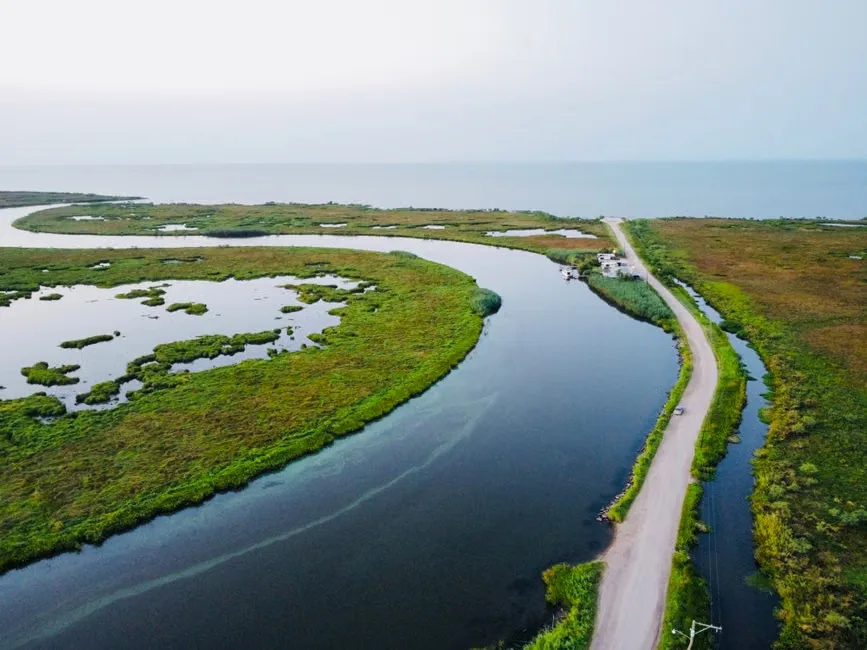
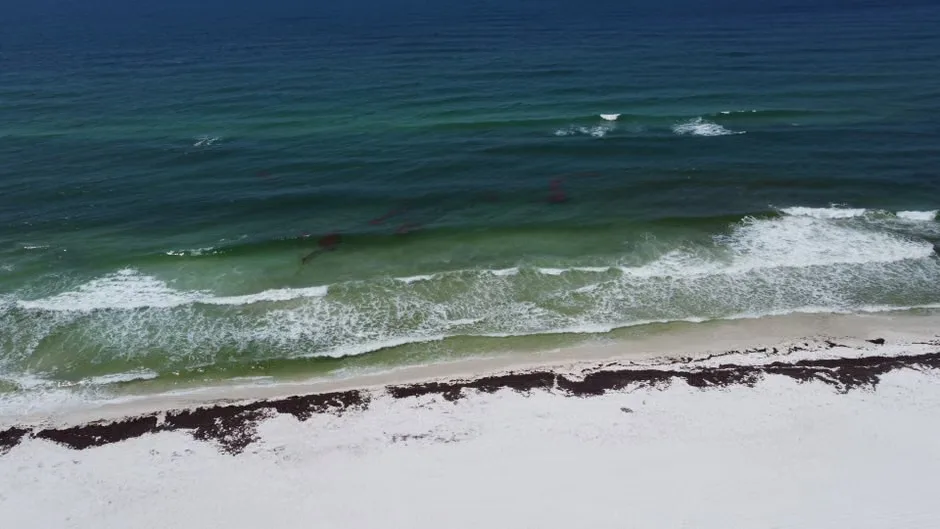
Vibrio vulnificus thrives in warm seawater and can enter the body through open wounds or by consuming raw or undercooked shellfish, particularly oysters. The Centers for Disease Control and Prevention reports that approximately 80,000 Vibrio infections occur annually in the United States, with about 100 deaths each year, most occurring between May and October when water temperatures are highest.
Dr. Joseph Kanter, Louisiana State Health Officer, emphasized the severity of the threat, stating, Vibrio vulnificus can cause life-threatening illness within hours, and early recognition and treatment are critical to survival. He urged anyone with recent exposure to coastal waters or raw seafood who develops symptoms such as fever, chills, low blood pressure, or blistering skin lesions to seek immediate medical care.
Health officials note that individuals with underlying health conditions such as liver disease, diabetes, or weakened immune systems are at significantly higher risk for severe complications from Vibrio vulnificus infection. While healthy individuals may experience only mild gastroenteritis from ingestion, those with compromised immunity can develop rapidly progressing necrotizing fasciitis or sepsis.
Preventive measures include avoiding saltwater or brackish water exposure if you have open wounds, wearing protective clothing when handling raw seafood, and ensuring shellfish are thoroughly cooked before consumption. The Louisiana Department of Health continues to monitor coastal water conditions and disseminate safety information to healthcare providers and the public.
Understanding the Risks of Coastal Bacteria
Although Vibrio vulnificus infections remain relatively rare, their high fatality rate—exceeding 20% in cases of primary septicemia—makes them a significant public health concern during warmer months. Climate change contributing to rising sea surface temperatures may expand the geographic range and lengthen the season of risk for such pathogens, according to environmental health researchers.
Public awareness and rapid medical response remain the most effective defenses against severe outcomes. Health authorities advise that while beach recreation and seafood consumption can be enjoyed safely with proper precautions, vigilance is essential, particularly for vulnerable populations enjoying Gulf Coast activities during peak summer months.
Key questions
- What is Vibrio vulnificus and how is it contracted?
- Vibrio vulnificus is a bacterium naturally found in warm coastal waters that can cause severe illness when it enters the body through open wounds exposed to seawater or through consumption of raw or undercooked shellfish, particularly oysters. It is nicknamed 'flesh-eating bacteria' due to its ability to cause rapid tissue destruction in severe cases.
- Who is most at risk for severe Vibrio vulnificus infection and what precautions should be taken?
- Individuals with liver disease, diabetes, or weakened immune systems are at highest risk for life-threatening complications from Vibrio vulnificus. Precautions include avoiding saltwater exposure with open wounds, wearing gloves when handling raw seafood, and ensuring all shellfish are cooked thoroughly before eating.