Louisiana health officials have confirmed at least five deaths from Vibrio vulnificus infections this year, marking a significant increase in cases linked to exposure to warm coastal waters. The bacteria, often referred to as flesh-eating, can cause severe tissue damage and sepsis when it enters the body through open wounds or is ingested via contaminated shellfish. State epidemiologists reported the fatalities occurred between May and August, with victims ranging in age from their 30s to 70s.
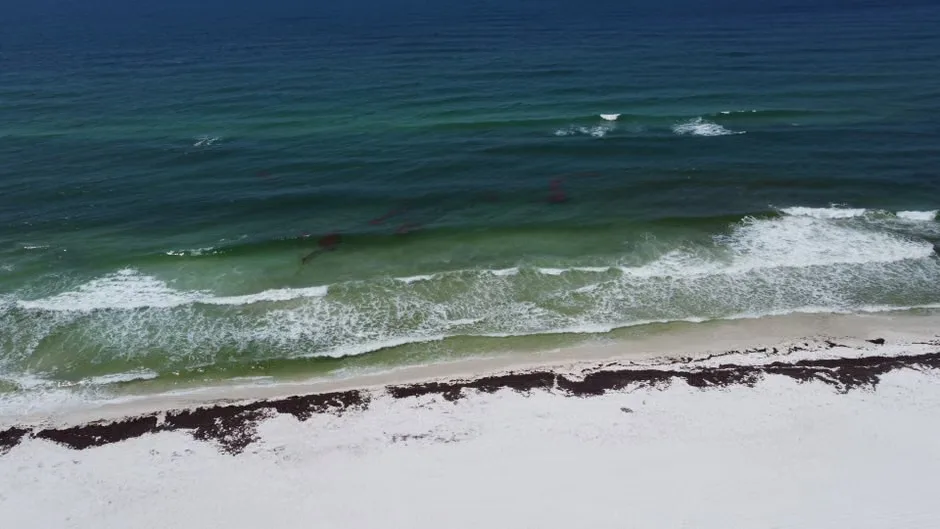
According to the Louisiana Department of Health, nine additional individuals have been hospitalized due to Vibrio vulnificus infections, bringing the total number of cases to at least 14 this season. The majority of infections are associated with exposure to Gulf of Mexico waters, particularly during periods of elevated water temperatures above 68°F (20°C). Individuals with liver disease, diabetes, or weakened immune systems are at substantially higher risk of severe outcomes.
Dr. Joseph Kanter, Louisiana State Health Officer, emphasized the importance of preventive measures: People with open cuts, sores, or wounds should avoid contact with seawater or raw seafood. If exposure occurs, wash the area thoroughly with soap and clean water and seek medical attention immediately if signs of infection develop.
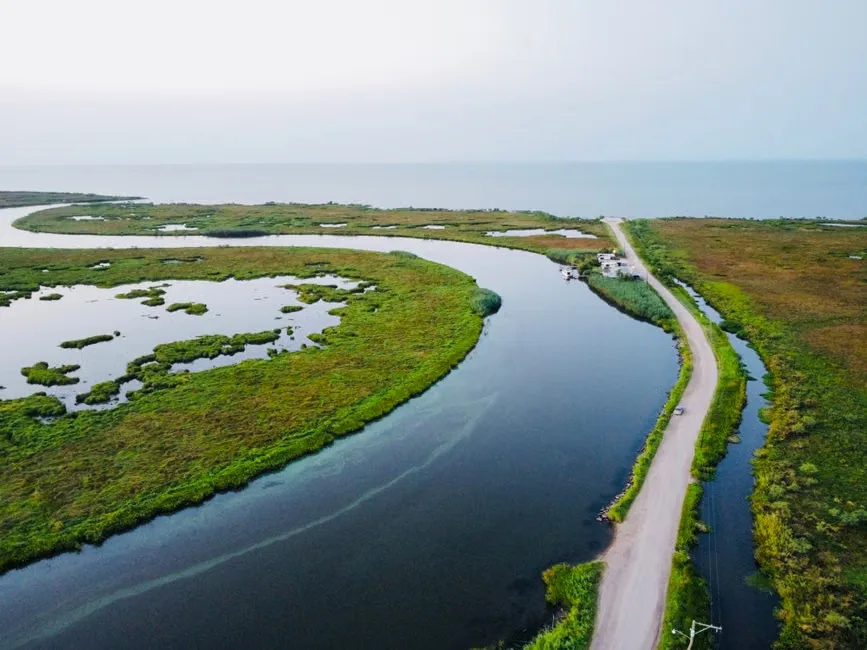
Vibrio vulnificus thrives in warm, brackish environments and its presence in coastal waters typically peaks during summer months. Climate change contributes to longer seasons of favorable conditions for bacterial growth, expanding both the geographic range and duration of risk periods. Health officials note that while infections remain rare, their severity necessitates rapid medical intervention.
Public health recommendations include avoiding seawater exposure with open wounds, wearing protective footwear when walking in coastal areas, and ensuring shellfish is cooked thoroughly before consumption. The state continues to monitor water quality and issue advisories when elevated bacteria levels are detected in popular recreational areas.
Understanding Vibrio vulnificus Risks and Prevention
Unlike some waterborne pathogens, Vibrio vulnificus does not spread from person to person. Infection occurs exclusively through environmental exposure, making individual precautions critical for prevention. Early symptoms include fever, chills, swelling, and discoloration around wounds, which can progress rapidly to necrotizing fasciitis requiring surgical intervention.
Medical treatment involves aggressive antibiotic therapy and, in severe cases, debridement of infected tissue. Mortality rates exceed 20% even with prompt care, underscoring why health officials stress vigilance among vulnerable populations. Ongoing surveillance aims to improve outbreak detection and public awareness campaigns ahead of peak season each year.
Key questions
- What is Vibrio vulnificus and how do people get infected?
- Vibrio vulnificus is a bacterium naturally found in warm coastal waters that can cause severe infections when it enters the body through open wounds or is ingested via raw or undercooked shellfish. It does not spread between people and requires direct exposure to contaminated seawater or seafood.
- Who is most at risk for severe Vibrio vulnificus infection and what precautions should they take?
- Individuals with liver disease, diabetes, weakened immune systems, or open wounds are at highest risk for severe outcomes. They should avoid seawater exposure with wounds, wear protective gear when handling seafood or swimming, and ensure all shellfish is cooked thoroughly before eating.