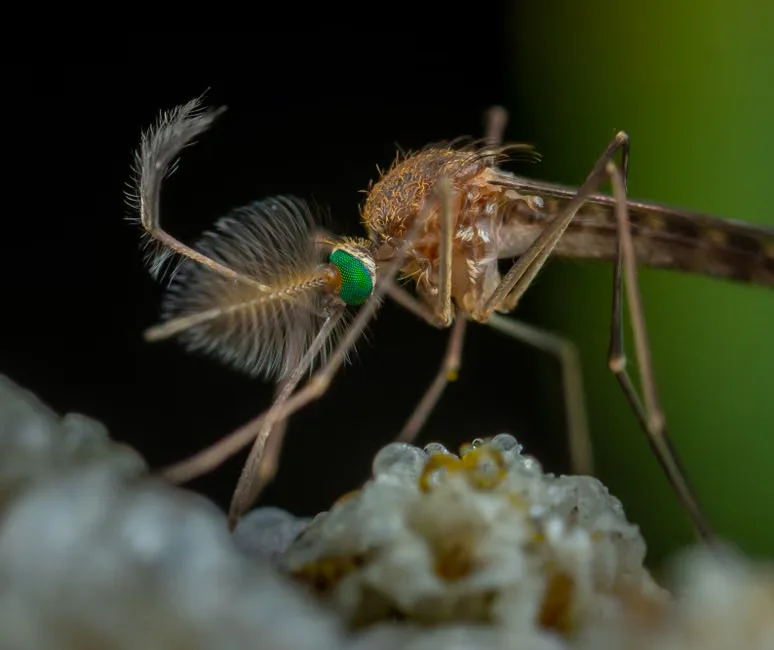
Maryland health officials confirmed the first human case of West Nile virus for the 2026 season this week. The case marks the beginning of the state's annual monitoring for the mosquito-borne illness during the peak summer months.
The virus typically peaks in late summer when mosquito populations are highest. According to the Centers for Disease Control and Prevention (CDC), West Nile virus is the leading cause of mosquito-borne disease in the continental United States.
State health representatives indicated that while the virus is common, most infected individuals do not develop severe symptoms.
The timing of this case aligns with historical trends where infections rise as temperatures climb. This early detection allows the state to ramp up surveillance and public awareness campaigns to protect vulnerable populations.
Urban and suburban areas remain at higher risk due to standing water providing breeding grounds for mosquitoes. Local governments are likely to increase spraying efforts in affected counties to mitigate the risk of further transmission.
Preventing the Spread of West Nile virus
To combat the spread, the Maryland Department of Health recommends a multi-layered approach to protection. Residents are encouraged to wear long-sleeved shirts and long pants when outdoors, especially during dawn and dusk when mosquitoes are most active. The use of insect repellents containing DEET, picaridin, or oil of lemon eucalyptus is strongly advised to create a chemical barrier against bites.
Beyond personal protection, community-level action is vital. Eliminating standing water in flowerpots, gutters, and birdbaths removes the primary breeding sites for the Culex mosquito species. When these habitats are removed, the overall population of vectors decreases, lowering the probability of human-mosquito contact.
Medical professionals note that while most cases are asymptomatic, a small percentage of people develop West Nile fever, characterized by fever, headache, body aches, and vomiting. A very small fraction may develop severe neurological diseases, such as encephalitis or meningitis, which can be fatal.
Health officials expect to monitor additional reports throughout August and September. They will continue to track avian populations, as birds often serve as the primary reservoir for the virus before it jumps to humans.
West Nile virus is transmitted to humans through the bite of an infected mosquito. Prevention focuses on removing standing water and using EPA-registered insect repellents to ensure public safety during the warmer months.
Key questions
- How is West Nile virus transmitted to humans?
- It is primarily spread through the bite of an infected mosquito. It cannot be transmitted directly from person to person.
- What are the best ways to prevent mosquito bites?
- The most effective methods include using EPA-registered insect repellents, wearing long sleeves and pants, and removing standing water where mosquitoes breed.