The Centers for Disease Control and Prevention (CDC) and the Food and Drug Administration (FDA) are investigating a multistate increase in foodborne illnesses, with early evidence pointing to contaminated leafy greens and peppers as potential sources. As of late May 2024, dozens of cases of Salmonella and cyclosporiasis have been reported in at least eight states, prompting public health alerts.
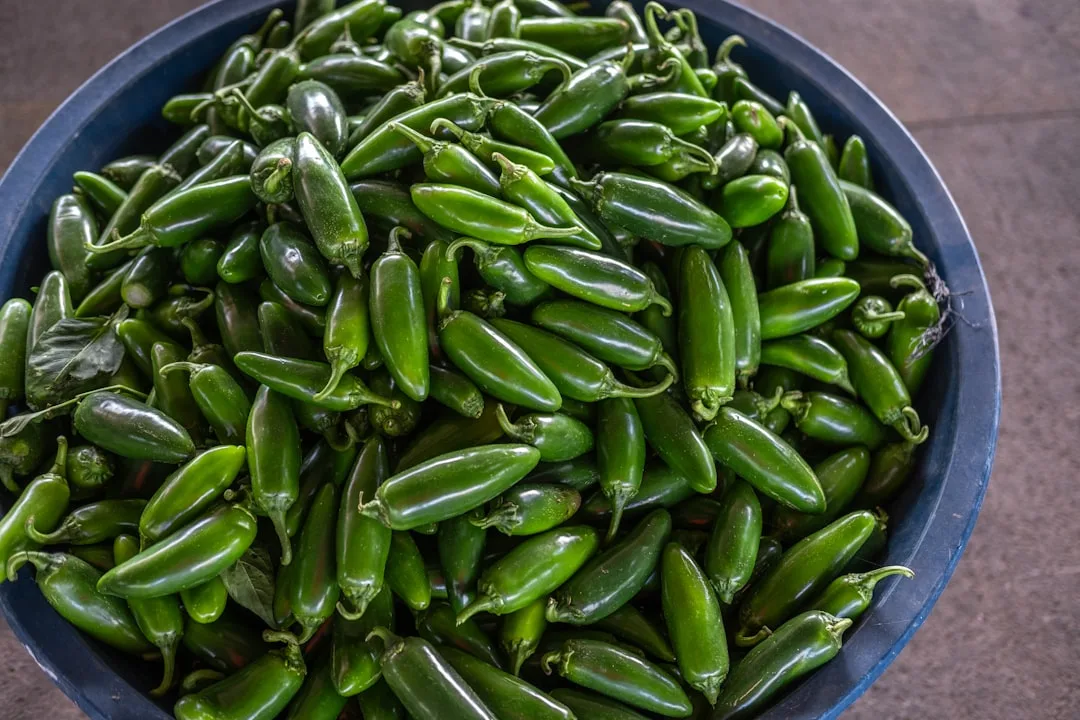
According to the CDC, foodborne diseases affect an estimated 48 million Americans each year, leading to 128,000 hospitalizations and 3,000 deaths. Recent outbreaks have been traced to romaine lettuce served at restaurants and whole jalapeños distributed through retail chains, though investigations remain ongoing to confirm exact sources.
We are seeing a concerning uptick in gastrointestinal illnesses that match patterns seen in past produce-related outbreaks, said Dr. Laura Simmons, an epidemiologist with the CDC’s Division of Foodborne, Waterborne, and Environmental Diseases. While we continue to trace the origins, consumers should stay informed about active recalls and follow safe food preparation practices.
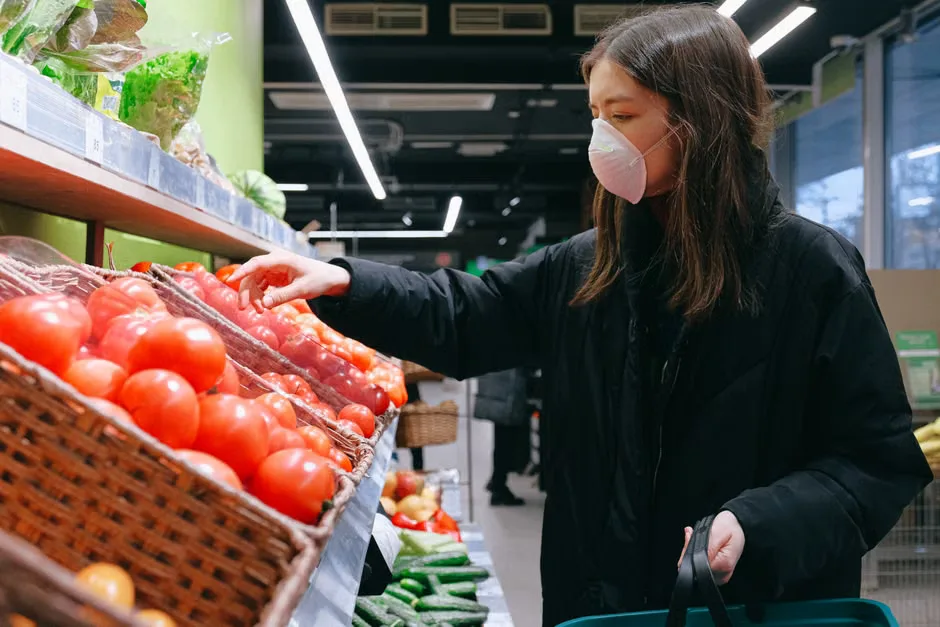
Health officials emphasize that washing produce under running water can reduce surface contaminants, though it does not eliminate all risks, particularly for pathogens like Salmonella that can internalize in plant tissues. High-risk groups, including young children, the elderly, and immunocompromised individuals, are advised to exercise extra caution.
Retailers and suppliers have issued voluntary recalls on certain batches of lettuce and peppers, with the FDA maintaining an updated list of affected products on its website. Consumers are encouraged to check lot numbers and discard any items matching recall notices, even if they appear fresh.
Industry Response and Preventive Measures
The recent incidents have reignited discussions about supply chain transparency and irrigation water safety in agriculture. Industry groups are reviewing testing protocols and advocating for improved traceability systems to speed up outbreak investigations.
Looking ahead, federal agencies plan to increase sampling of imported and domestically grown produce during peak seasons. Long-term solutions may include wider adoption of pre-harvest risk assessments and real-time monitoring technologies to detect contamination before products reach consumers.
Key questions
- What are the symptoms of Salmonella infection?
- Symptoms of Salmonella infection typically include diarrhea, fever, and stomach cramps, appearing 6 hours to 6 days after exposure. Most people recover within 4 to 7 days without treatment, but severe cases may require hospitalization, especially in young children, older adults, or those with weakened immune systems.
- How can I tell if my lettuce or peppers are part of a recall?
- Check the FDA’s recall website for product names, brands, lot numbers, and expiration dates associated with current alerts. If your produce matches any listed details, do not consume it—discard it immediately or return it to the place of purchase for a refund.