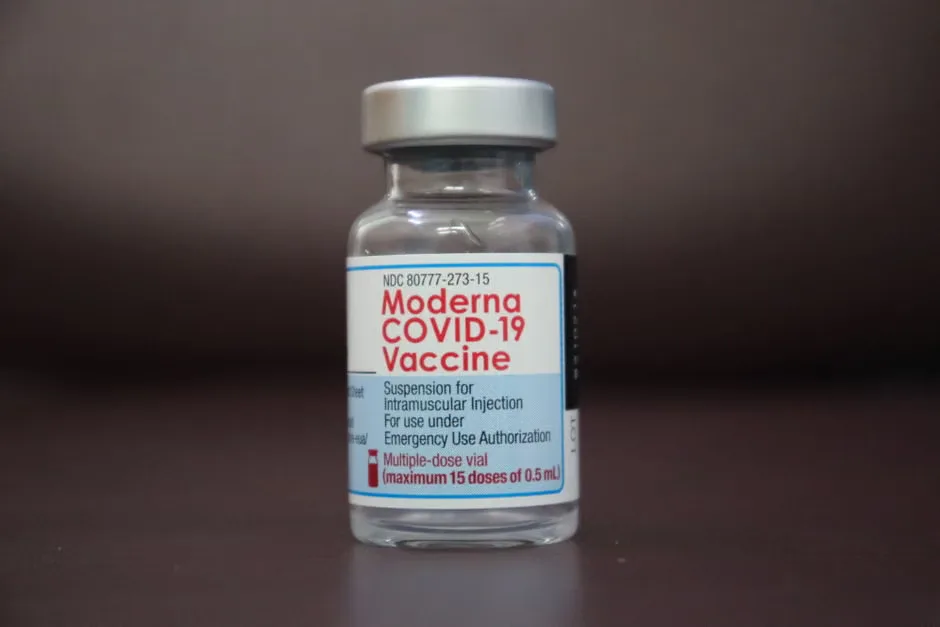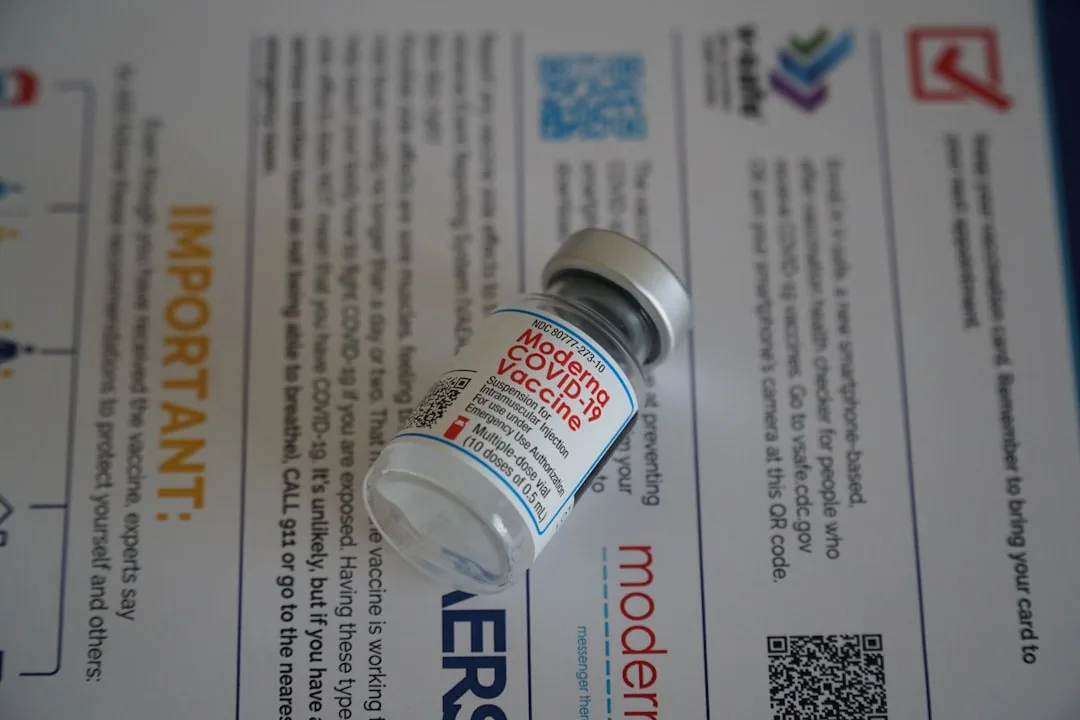
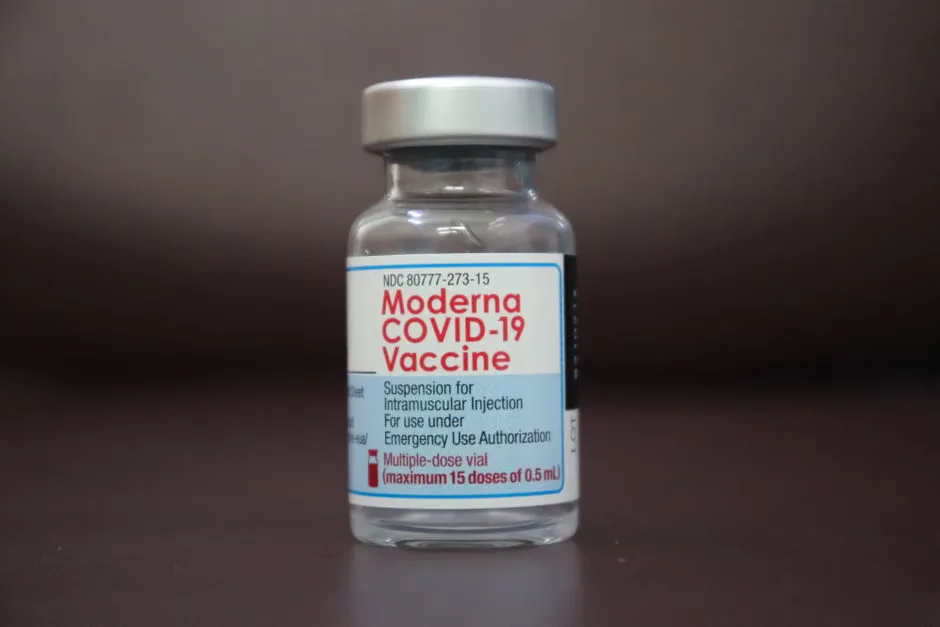
The U.S. Food and Drug Administration has approved Moderna's mRNA-based influenza vaccine for adults aged 65 and older, marking the first authorization of an mRNA flu vaccine in the United States. The vaccine, known as mRNA-1010, demonstrated superior immune response compared to traditional egg-based flu shots in clinical trials involving senior participants.
According to Moderna's Phase 3 trial data, the mRNA vaccine generated 20% higher antibody levels against influenza strains than conventional vaccines in adults over 65, a demographic particularly vulnerable to severe flu complications. This improved immunogenicity addresses a long-standing challenge in flu vaccine effectiveness among aging populations.
This approval represents a significant advancement in preventive care for older adults, said Dr. Paul Burton, Moderna's Chief Medical Officer. The mRNA platform allows for rapid adaptation to circulating strains and delivers a stronger immune response where it's needed most.
The FDA's decision follows a rigorous review process that evaluated safety, efficacy, and manufacturing quality. Common side effects reported in trials included injection site pain, fatigue, and headache, which were generally mild to moderate and resolved within a few days. No safety concerns were identified that would preclude use in the target age group.
Health experts note that influenza causes significant morbidity and mortality in older adults each year, with vaccine effectiveness often declining with age due to immunosenescence. The mRNA approach offers potential advantages in both potency and flexibility, allowing quicker updates to match emerging viral strains compared to traditional production methods.
Looking ahead, Moderna plans to distribute the vaccine ahead of the 2024-2025 flu season and is already investigating next-generation formulations that could target multiple respiratory pathogens simultaneously. The approval may also accelerate development of mRNA vaccines for other infectious diseases where traditional approaches have limitations.
For decades, public health officials have sought better flu protection options for seniors, who account for the majority of flu-related hospitalizations and deaths annually. While annual vaccination remains recommended, the variable effectiveness of conventional vaccines has driven interest in novel platforms like mRNA technology.
FDA Approves Moderna mRNA Flu Vaccine for Adults 65 and Older
The authorization expands the growing portfolio of mRNA-based vaccines beyond COVID-19, demonstrating the technology's broader applicability in preventive medicine. As respiratory virus season approaches, healthcare providers will have a new tool to help protect one of the most vulnerable populations from seasonal influenza.
Key questions
- Who is eligible to receive the newly approved Moderna mRNA flu vaccine?
- The FDA has approved Moderna's mRNA-based influenza vaccine specifically for adults aged 65 years and older. This age group was the focus of clinical trials that demonstrated the vaccine's superior immune response compared to traditional flu shots.
- How does the mRNA flu vaccine differ from traditional influenza vaccines?
- Unlike conventional flu vaccines that are grown in eggs or cell cultures, the mRNA vaccine uses messenger RNA technology to instruct cells to produce influenza proteins, triggering an immune response. This approach allows for faster manufacturing and potentially stronger immunity, particularly in older adults with age-related immune decline.