Louisiana health officials have issued an urgent warning about a significant increase in Vibrio vulnificus infections along the Gulf Coast, a rare but deadly flesh-eating bacteria that thrives in warm coastal waters. As of this week, at least seven fatalities have been reported across Louisiana and neighboring states, marking one of the most severe outbreaks in recent years. The bacteria, which can enter the body through breaks in the skin, causes rapid tissue destruction and can lead to sepsis, amputations, or death within days if untreated.
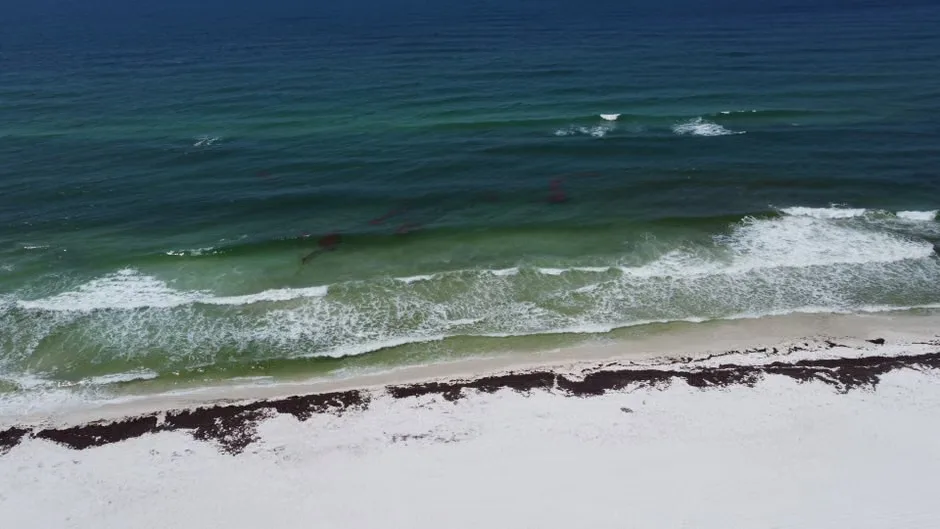
According to the Louisiana Department of Health, Vibrio vulnificus cases typically rise between May and October when water temperatures exceed 68°F (20°C), creating ideal conditions for bacterial growth. This year’s surge has been attributed to unusually warm Gulf waters and increased coastal activity following hurricane season disruptions. Officials note that individuals with liver disease, diabetes, or compromised immune systems are at highest risk, though even healthy people can develop severe infections if exposed.
Dr. Joseph Kanter, Louisiana State Health Officer, emphasized the importance of prevention: We are seeing a concerning uptick in cases, and we urge everyone, especially those with underlying health conditions, to avoid swimming in warm coastal or brackish water if they have any cuts, scrapes, or fresh wounds. If you do get exposed, wash the area thoroughly with soap and clean water and seek medical attention immediately if signs of infection appear.
Symptoms of Vibrio vulnificus infection include fever, chills, low blood pressure, and distinctive skin lesions that may blister or turn purple. The infection progresses rapidly, often requiring intensive care and surgical intervention. While antibiotics are effective if administered early, delays in treatment significantly increase mortality risk, which can exceed 50% in severe cases.
Beyond immediate health risks, the outbreak underscores broader concerns about climate change and its impact on marine pathogens. Rising sea temperatures are expanding the geographic range and seasonality of Vibrio species, posing growing challenges for public health systems along the Gulf and Atlantic coasts. Researchers warn that without adaptive monitoring and outreach, such outbreaks may become more frequent.
Understanding Vibrio Vulnificus and Public Health Response
State health agencies have increased surveillance and are distributing educational materials at beaches, marinas, and fishing camps. The CDC recommends avoiding saltwater exposure with open wounds and wearing protective water shoes when walking in tidal areas. Seafood handlers are also advised to wear gloves when handling raw shellfish, another known transmission route.
Looking ahead, officials plan to expand real-time water quality monitoring and collaborate with the National Oceanic and Atmospheric Administration (NOAA) to predict Vibrio hotspots based on temperature and salinity data. Public awareness campaigns will continue through the summer months, with multilingual outreach targeting vulnerable populations and tourism hubs.
Key questions
- What is Vibrio vulnificus and how is it contracted?
- Vibrio vulnificus is a bacterium naturally found in warm coastal waters that can cause severe skin infections, bloodstream illness, and tissue necrosis. It enters the body through open wounds exposed to contaminated seawater or by consuming raw or undercooked shellfish. People with liver disease, diabetes, or weakened immune systems are at higher risk for severe outcomes.
- How can I protect myself from Vibrio vulnificus while visiting the Gulf Coast?
- Avoid swimming in warm coastal or brackish water if you have cuts, scrapes, or fresh wounds. If exposed, wash the area thoroughly with soap and clean water. Wear protective footwear when walking in tidal areas and gloves when handling raw shellfish. Seek immediate medical care if you develop fever, swelling, or discoloration around a wound after water exposure.