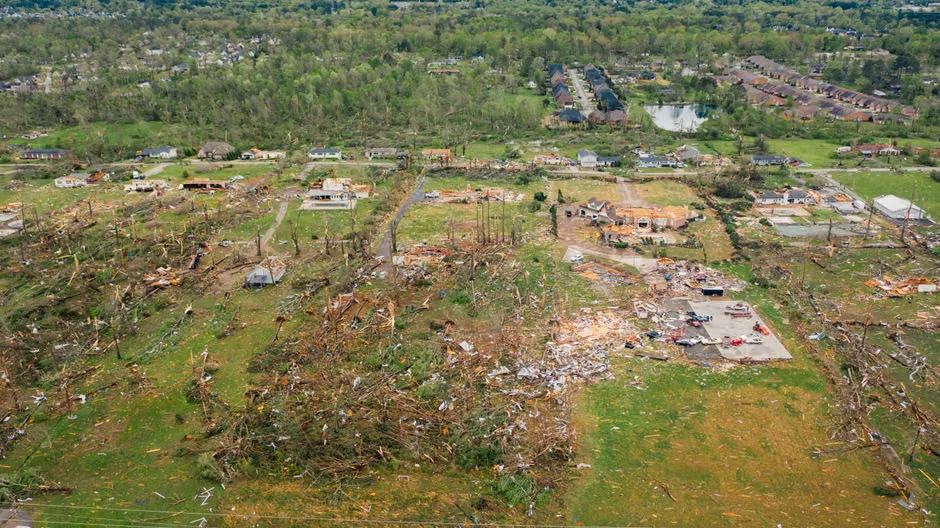
Vermont officials from both major parties convened a roundtable discussion this week to address growing concerns over extreme weather events, agreeing on a coordinated strategy to enhance the state’s disaster response capabilities. The meeting, held in Montpelier, brought together legislators, emergency management leaders, and municipal representatives to evaluate current protocols and identify gaps in preparedness.
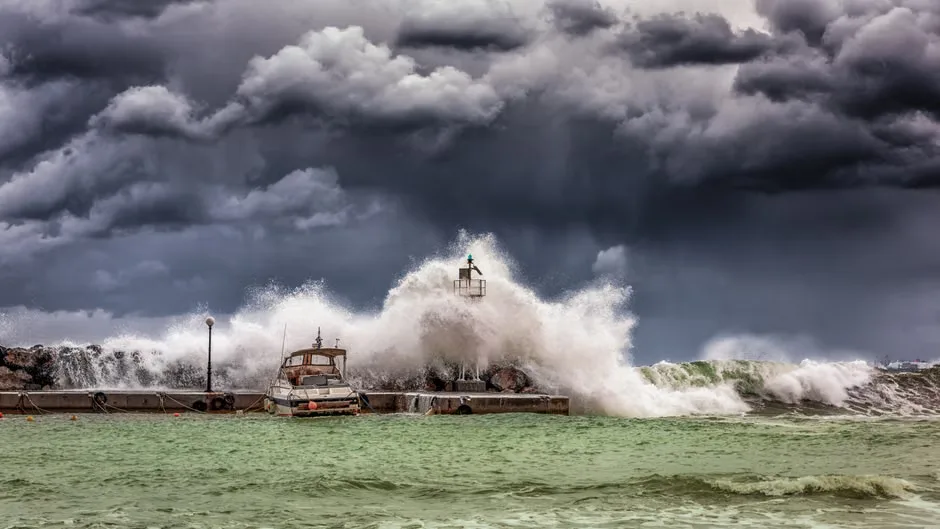
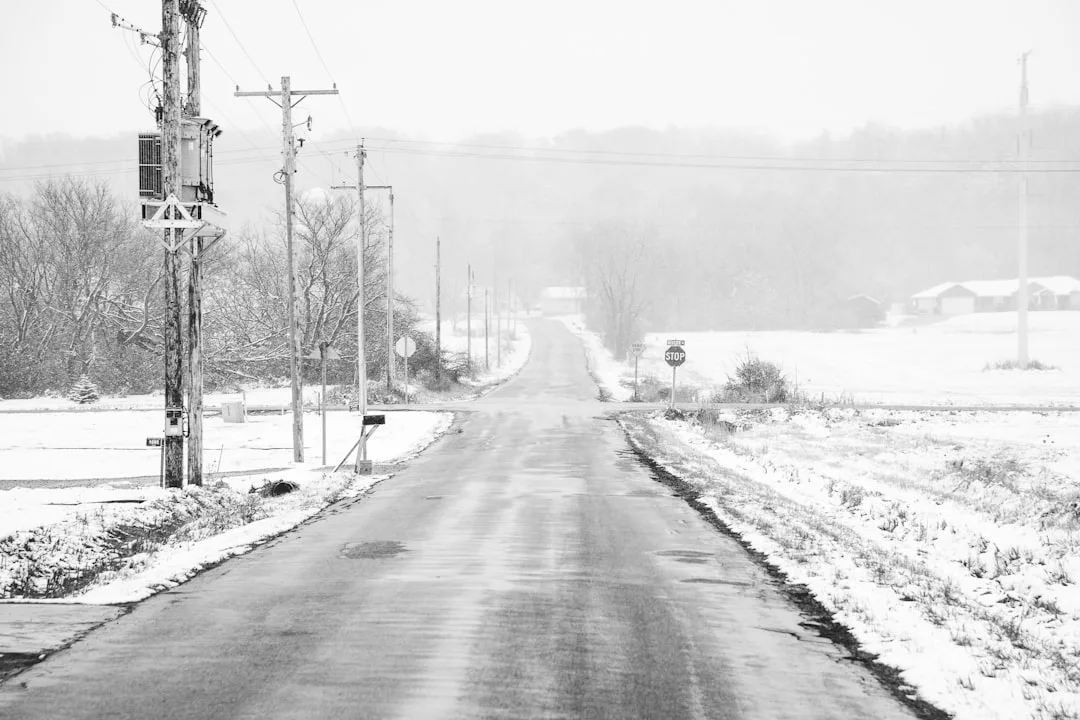
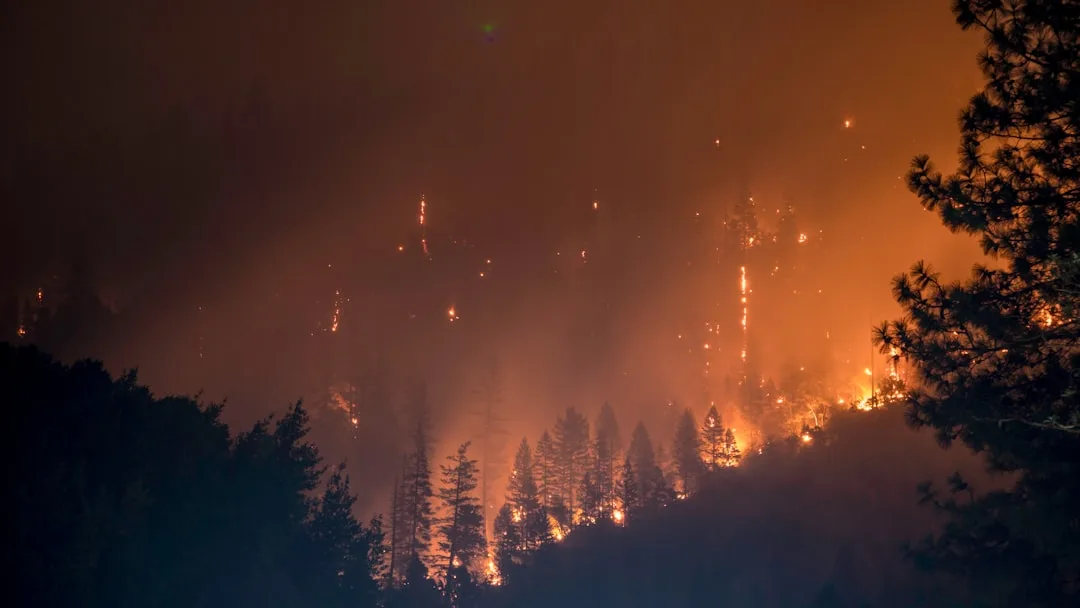
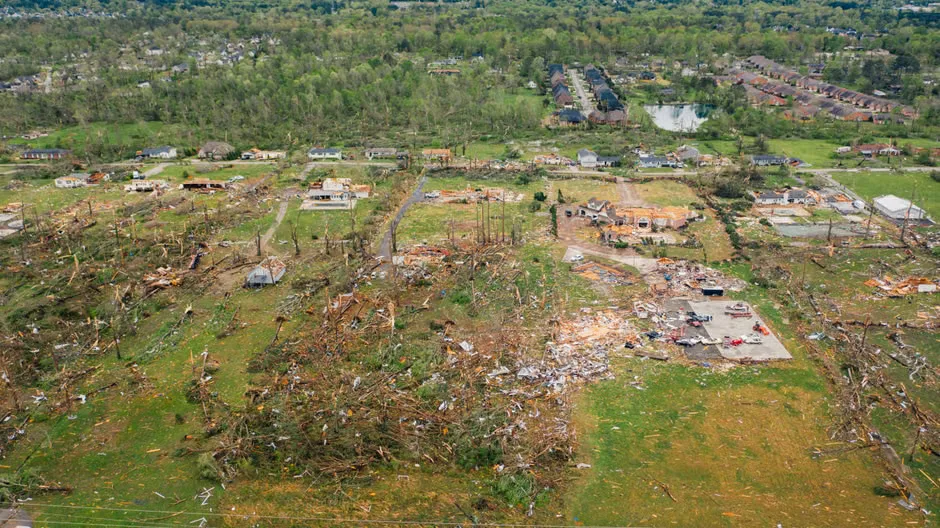
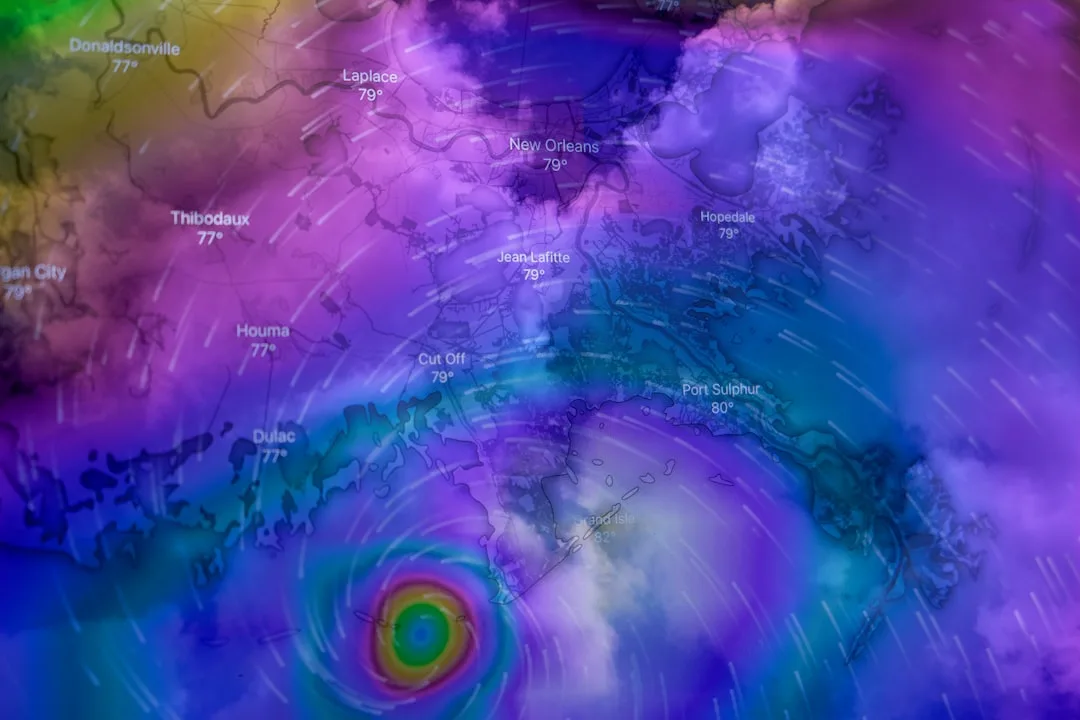
According to the Vermont Emergency Management Agency, the state has experienced a 40% increase in severe weather incidents over the past decade, including flooding, ice storms, and wind events that have strained local resources and disrupted critical infrastructure. This trend has prompted renewed focus on proactive planning and investment in resilient systems.
We recognize that climate-driven weather patterns are changing the risks we face, and our response must evolve accordingly, said Jane Smith, Director of Vermont Emergency Management. This roundtable reflects a shared commitment to protect communities through better coordination, updated infrastructure, and forward-looking planning.
The discussion centered on three priority areas: modernizing aging stormwater and drainage systems, improving real-time communication between state and local agencies during emergencies, and expanding access to federal resilience grants for rural communities. Lawmakers emphasized the need for sustained funding rather than reactive spending after disasters occur.
Analysis of past responses revealed delays in damage assessment and resource deployment, particularly in mountainous regions where access is limited during storms. Participants agreed that pre-positioning supplies and establishing mutual aid agreements with neighboring states could significantly reduce response times.
Looking ahead, the roundtable will submit a formal recommendation to the Governor’s office by late spring, proposing a multi-year resilience plan that includes infrastructure investments, updated emergency operations protocols, and annual readiness exercises. Officials stress that the initiative is designed to be enduring, transcending electoral cycles.
Building Long-Term Weather Resilience
Beyond immediate response improvements, the roundtable highlighted the importance of integrating climate adaptation into statewide planning. This includes updating floodplain maps, encouraging climate-smart building practices, and preserving natural buffers like wetlands and forests that mitigate storm impacts. Officials noted that such measures not only enhance safety but also reduce long-term recovery costs.
Key questions
- What prompted the bipartisan roundtable on extreme weather in Vermont?
- The roundtable was convened in response to a 40% increase in severe weather incidents over the past decade, including flooding and ice storms, which have strained state and local emergency resources and highlighted gaps in preparedness.
- What are the main outcomes of the Vermont extreme weather roundtable?
- The roundtable agreed on priorities including upgrading stormwater systems, improving interagency communication during emergencies, expanding access to federal resilience grants, and developing a multi-year plan to strengthen infrastructure and community readiness for future extreme weather events.