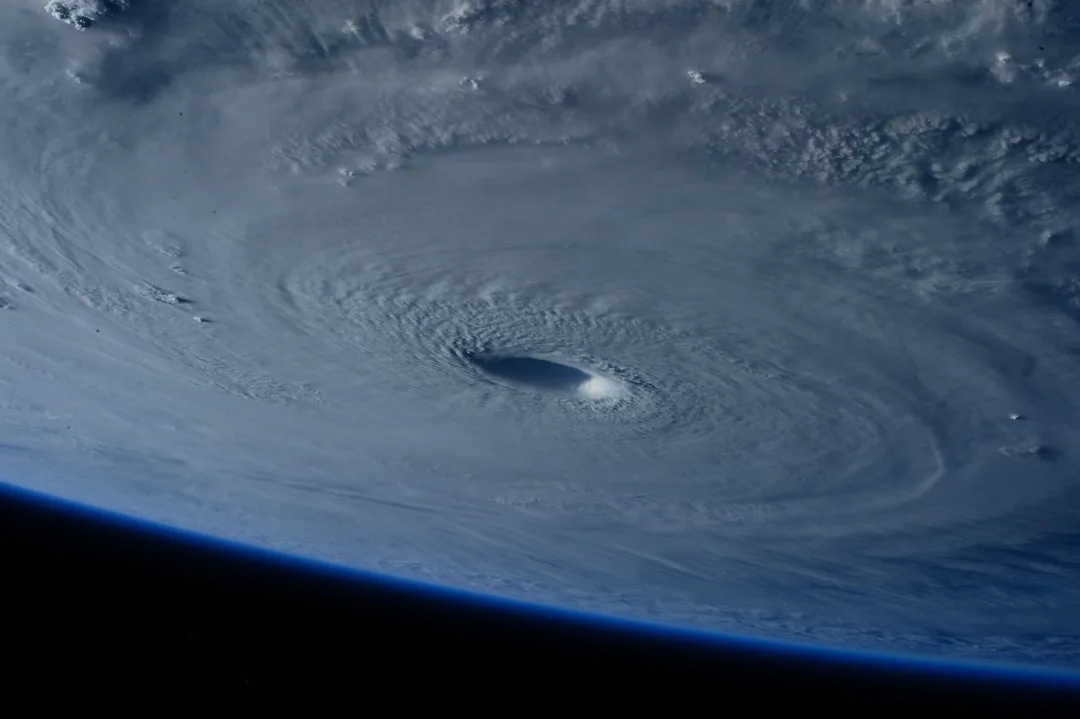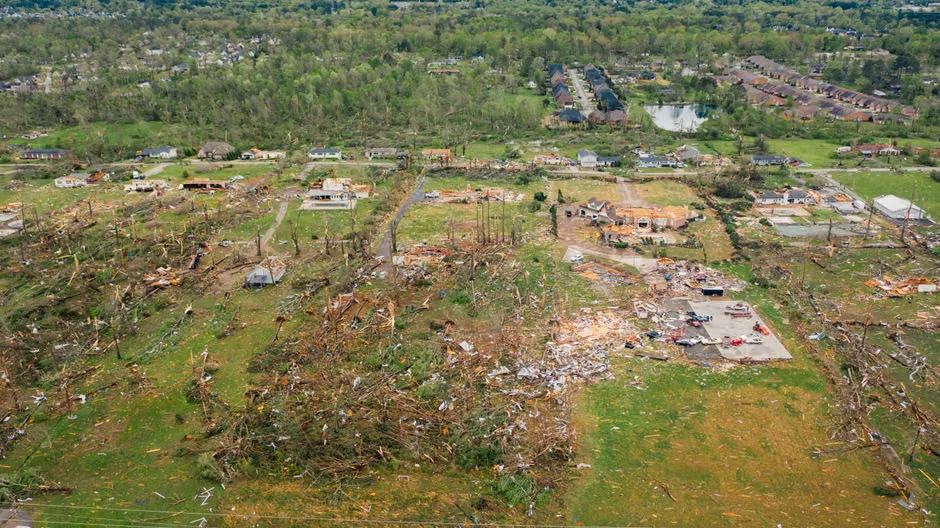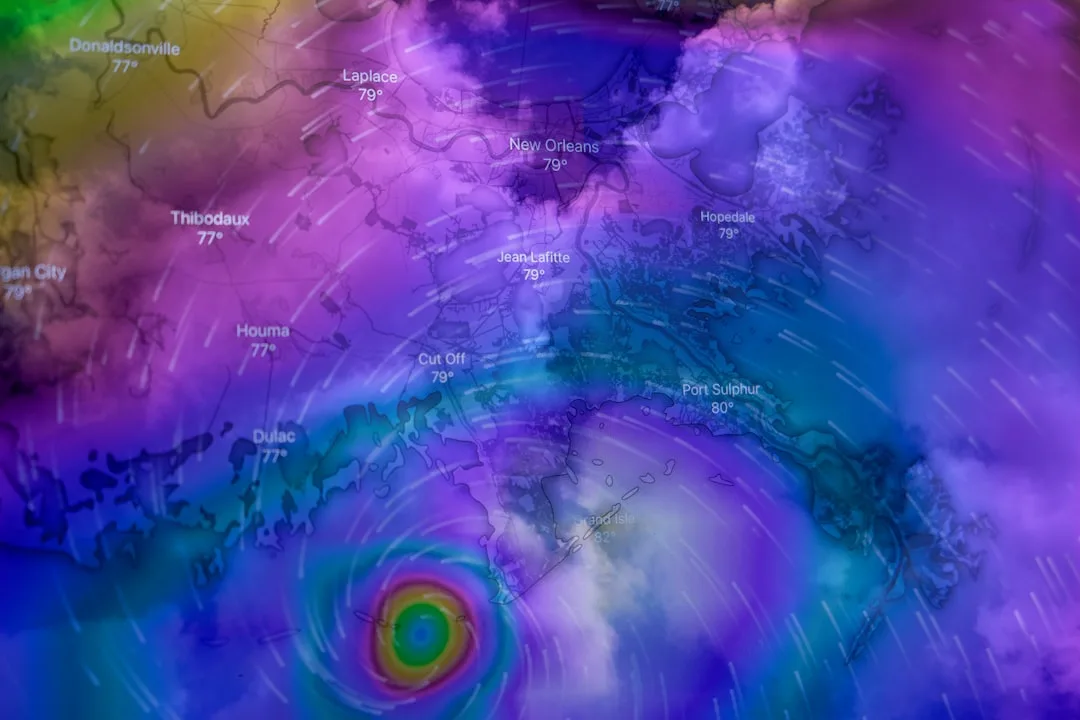
The National Oceanic and Atmospheric Administration (NOAA) has upheld its seasonal outlook predicting a below-average number of tropical storms and hurricanes in the Atlantic Basin for the 2024 season. The announcement, released ahead of the peak months of hurricane activity, continues to reflect atmospheric and oceanic conditions that historically suppress storm development. Meteorologists emphasize that while the overall count may be lower, a single landfalling storm can still cause significant damage.
Contextual analysis shows that sea surface temperatures in the main development region of the Atlantic are currently running about 0.5 to 1.0 degrees Celsius below the long-term average, according to NOAA’s Climate Prediction Center. This cooling trend, combined with stronger-than-usual vertical wind shear across the Caribbean and tropical Atlantic, creates an environment less conducive to the organization and intensification of tropical waves into named storms. These factors are critical in suppressing hurricane formation despite favorable conditions elsewhere.
We are seeing a combination of oceanic and atmospheric patterns that are not supportive of an active season, said Dr. Rick Spinrad, NOAA Administrator, in a recent briefing. While the forecast calls for fewer storms, we urge coastal communities to remain prepared, as it only takes one hurricane making landfall to create a devastating impact.
Historical analogs from past seasons with similar oceanic and atmospheric indicators — such as 2014 and 2015 — showed below-average storm counts, though both years included notable hurricanes like Gonzalo and Joaquin that affected Bermuda and the Bahamas. Forecasters note that seasonal predictions are probabilistic and do not guarantee landfall locations or intensities, underscoring the importance of preparedness regardless of the outlook.
Looking ahead, NOAA will continue to monitor key climate drivers including the El Niño-Southern Oscillation (ENSO), African monsoon activity, and Saharan dust layers, all of which can influence storm trajectories and strength as the season progresses into August and September. Updates to the forecast may be issued if significant changes occur in these large-scale patterns.
Understanding Hurricane Season Forecasts
Seasonal hurricane forecasts are based on long-term climate trends and statistical models that correlate oceanic and atmospheric conditions with historical storm activity. While they provide valuable insight into expected basin-wide activity, they do not predict where or when storms will form. Emergency management officials stress that residents in hurricane-prone areas should have evacuation plans, disaster kits, and insurance reviews completed well before peak season begins, regardless of the seasonal outlook.
Preparedness remains the most effective tool in mitigating hurricane risk, as even inactive seasons can produce high-impact events. Community resilience, infrastructure hardening, and timely response systems continue to play vital roles in reducing vulnerability to tropical cyclones.
Key questions
- What does a below-average Atlantic hurricane season forecast mean for coastal communities?
- A below-average forecast indicates fewer tropical storms and hurricanes are expected to form in the Atlantic Basin compared to historical norms. However, it does not eliminate the risk of landfalling storms, and emergency officials urge continued preparedness as a single hurricane can cause significant damage regardless of seasonal totals.
- Why is NOAA predicting fewer hurricanes this season?
- NOAA cites cooler-than-average sea surface temperatures in the Atlantic’s main development region and increased vertical wind shear as the primary factors suppressing tropical cyclone formation. These conditions disrupt the organization and intensification of storm systems, leading to a reduced forecast for seasonal activity.