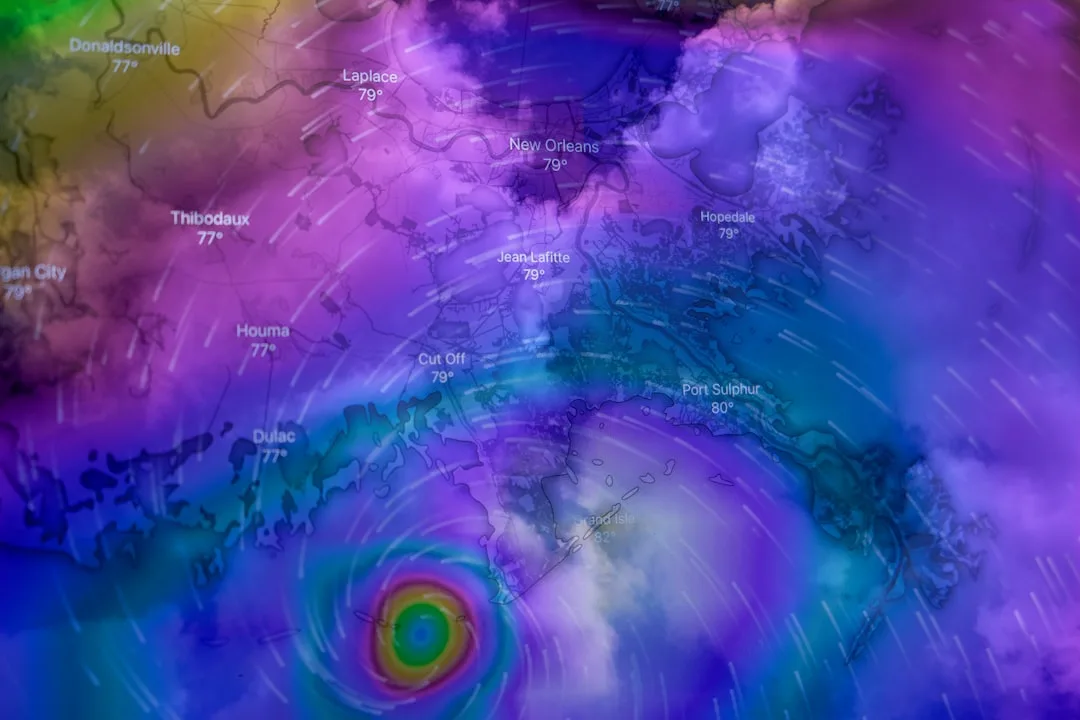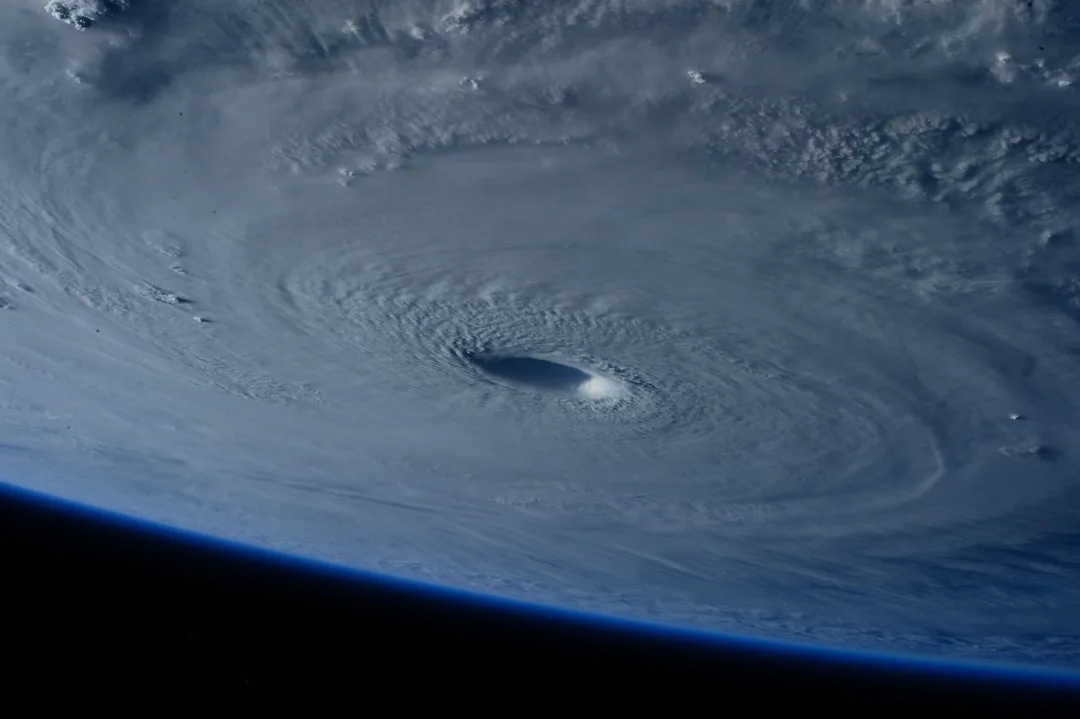
The Atlantic hurricane season is entering its most active months, with the National Oceanic and Atmospheric Administration (NOAA) predicting above-average activity due to the strengthening El Niño conditions.
El Niño, a complex weather pattern that affects the Pacific Ocean, has been gaining strength in recent months, leading to increased atmospheric instability and moisture in the Atlantic.
NOAA's Climate Prediction Center has issued a forecast indicating a 60% chance of above-average hurricane activity in the Atlantic Basin, with 14-21 named storms expected.
While El Niño typically suppresses hurricane activity in the Atlantic, its strengthening influence is expected to counteract this effect, leading to an increased risk of severe storms.
As the Atlantic hurricane season peaks, residents in coastal areas should remain vigilant and take necessary precautions to prepare for potential storms.
El Niño's Impact on Hurricane Season
The strengthening El Niño conditions are expected to bring increased atmospheric instability and moisture to the Atlantic, leading to a higher risk of severe storms.
While El Niño typically suppresses hurricane activity in the Atlantic, its strengthening influence is expected to counteract this effect, leading to an increased risk of severe storms.
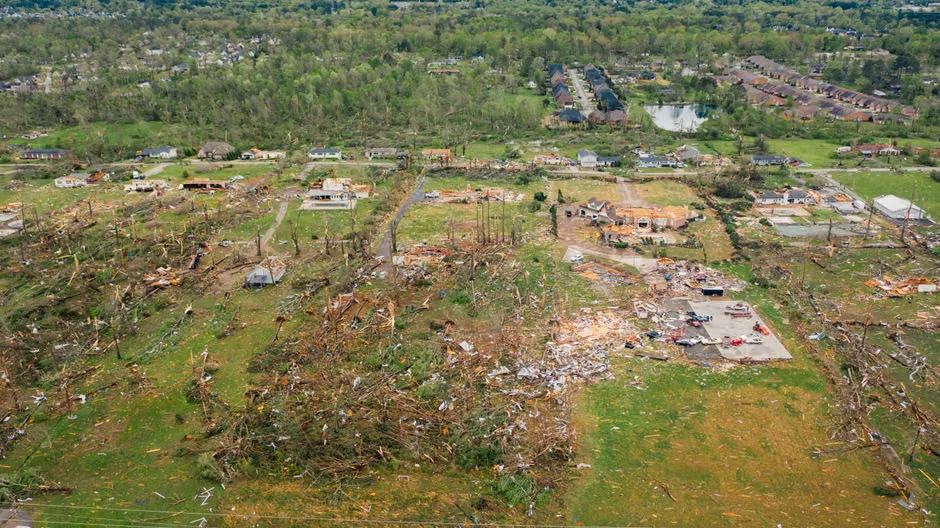
Residents in coastal areas should remain vigilant and take necessary precautions to prepare for potential storms, including stocking up on emergency supplies and having a plan in place for evacuation.
The Atlantic hurricane season typically peaks in August and September, with the majority of storms occurring during these months.
As the season progresses, residents should stay informed about weather conditions and follow the guidance of local authorities to ensure their safety.
The impact of El Niño on hurricane season is a complex phenomenon that requires careful monitoring and analysis.
Scientists at NOAA and other research institutions are closely tracking the development of El Niño and its potential effects on hurricane activity.
As the season progresses, residents should stay informed about weather conditions and follow the guidance of local authorities to ensure their safety.
Key questions
- What is El Niño?
- El Niño is a complex weather pattern that affects the Pacific Ocean, characterized by warmer-than-average sea surface temperatures in the eastern Pacific.
- How does El Niño affect hurricane season?
- El Niño typically suppresses hurricane activity in the Atlantic, but its strengthening influence is expected to counteract this effect, leading to an increased risk of severe storms.