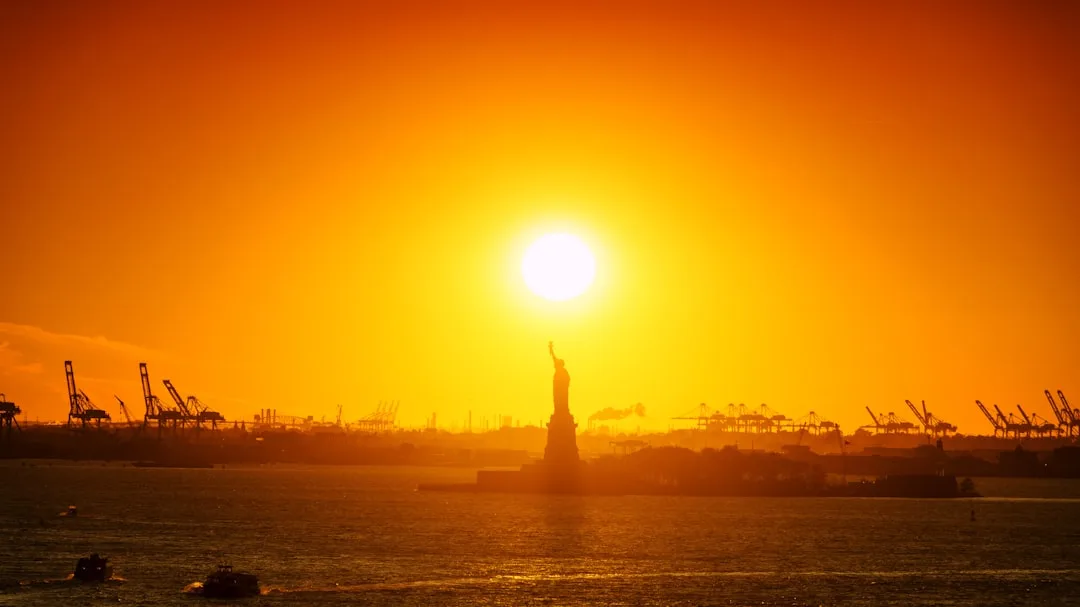
Colorado weather is currently characterized by a dangerous combination of triple-digit heat and thick wildfire smoke. Residents across the state are facing hazardous air quality and extreme temperatures as high-pressure systems trap pollutants near the surface.
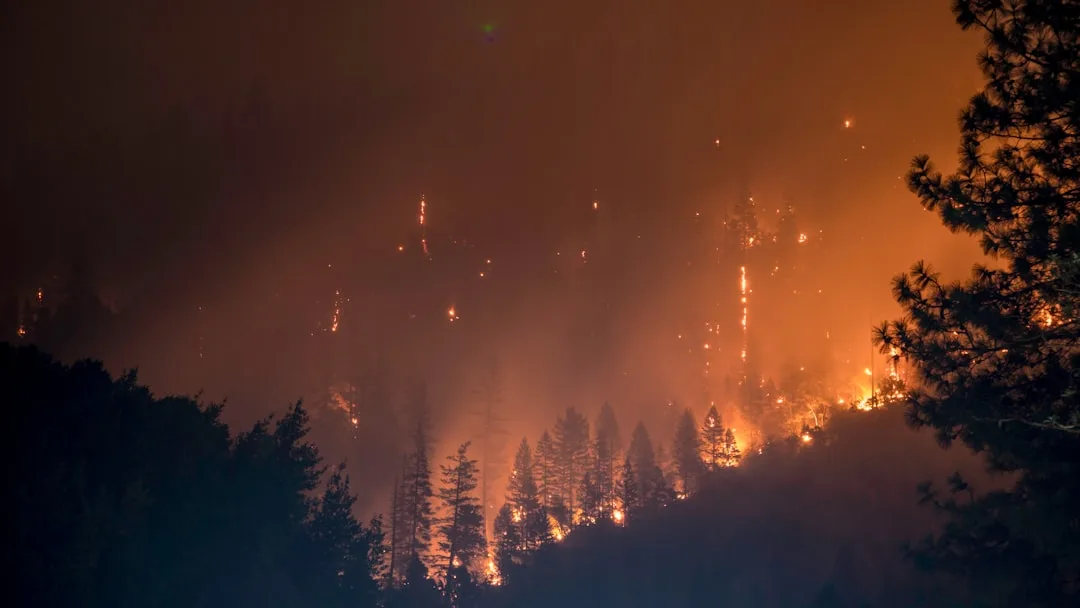
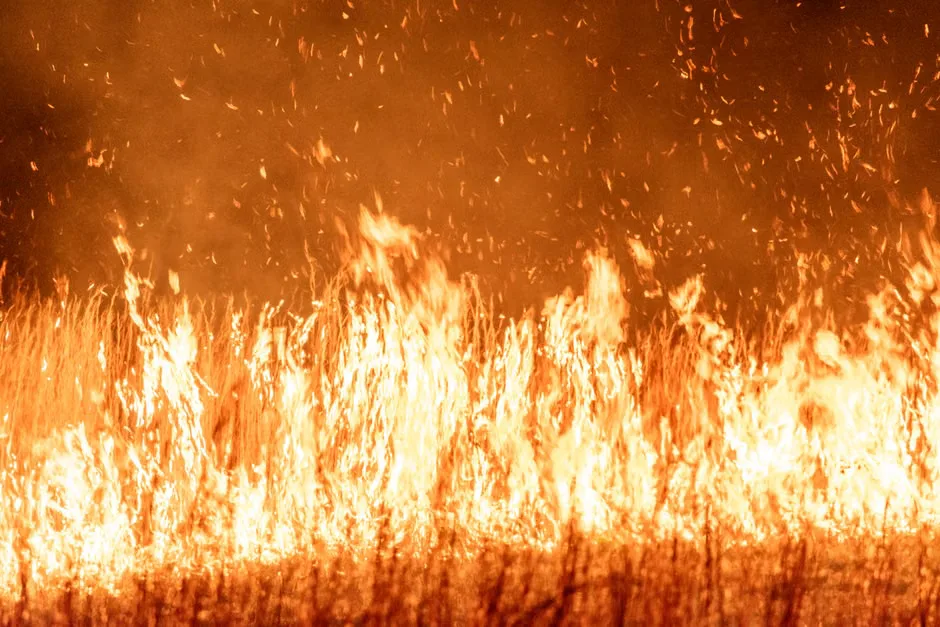
This heatwave coincides with an active wildfire season across the Western United States. According to the National Interagency Fire Center, thousands of acres have burned across the region this season, contributing to the persistent haze seen over the Front Range.
Local meteorologists have noted that the combination of stagnant air and high temperatures creates a heat dome effect that exacerbates respiratory issues for vulnerable populations.
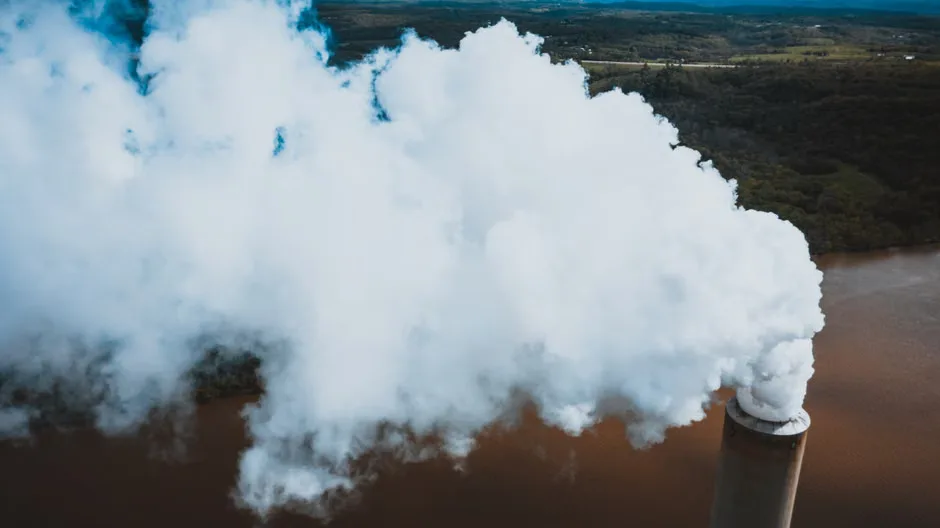
The intersection of extreme heat and smoke creates a compounding health risk for the general public. When temperatures exceed 100 degrees, the human body struggles to regulate its internal temperature, while fine particulate matter from smoke impairs lung function and increases cardiovascular stress.
This weather pattern is becoming increasingly frequent in the Mountain West. The shift toward drier summers and lower snowpacks increases the volatility of forest fuels, making the state more susceptible to rapid-fire spread and prolonged periods of poor air quality.
Forecasters expect these conditions to persist through the coming week. Potential relief is only expected if a significant cold front moves in from the north to displace the current high-pressure ridge and clear the atmosphere.
Colorados unique geography, characterized by high altitudes and varied terrain, often leads to dramatic weather shifts. The states position makes it a corridor for smoke from both local blazes and distant fires in Canada or the Pacific Northwest.
Managing the Impact of Colorado Weather
To mitigate the risks associated with this heat, health officials recommend staying hydrated and remaining in air-conditioned environments during peak sunlight hours. The use of N95 masks is often suggested when outdoor air quality reaches hazardous levels to filter out fine particulates.
The Denver Post has highlighted the strain this puts on local infrastructure, as increased demand for cooling can lead to power grid instability. Residents are encouraged to monitor the Air Quality Index (AQI) daily to make informed decisions about outdoor exercise and travel.
Key questions
- Why is there smoke in Colorado during the heatwave?
- The smoke is caused by active wildfires within Colorado and neighboring Western states. Wind patterns and high-pressure systems trap this smoke near the ground, reducing visibility and air quality.
- How can residents protect themselves from triple-digit heat?
- Residents should stay hydrated, limit outdoor activities during the hottest part of the day, and use air conditioning. Those with respiratory issues should monitor the Air Quality Index and stay indoors.