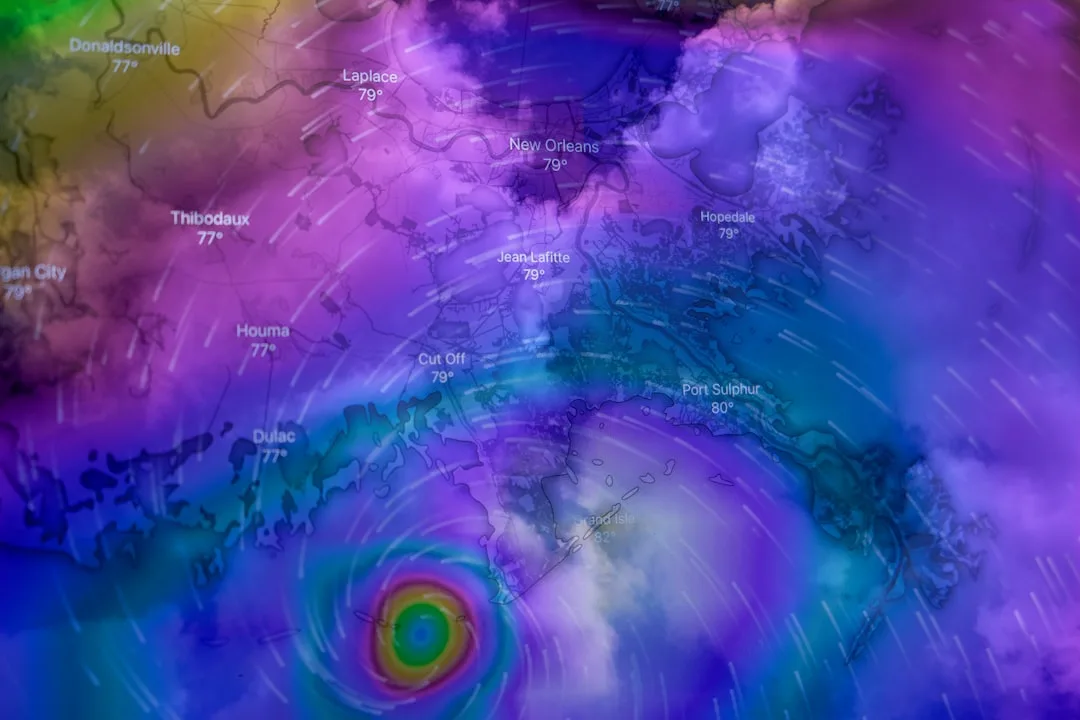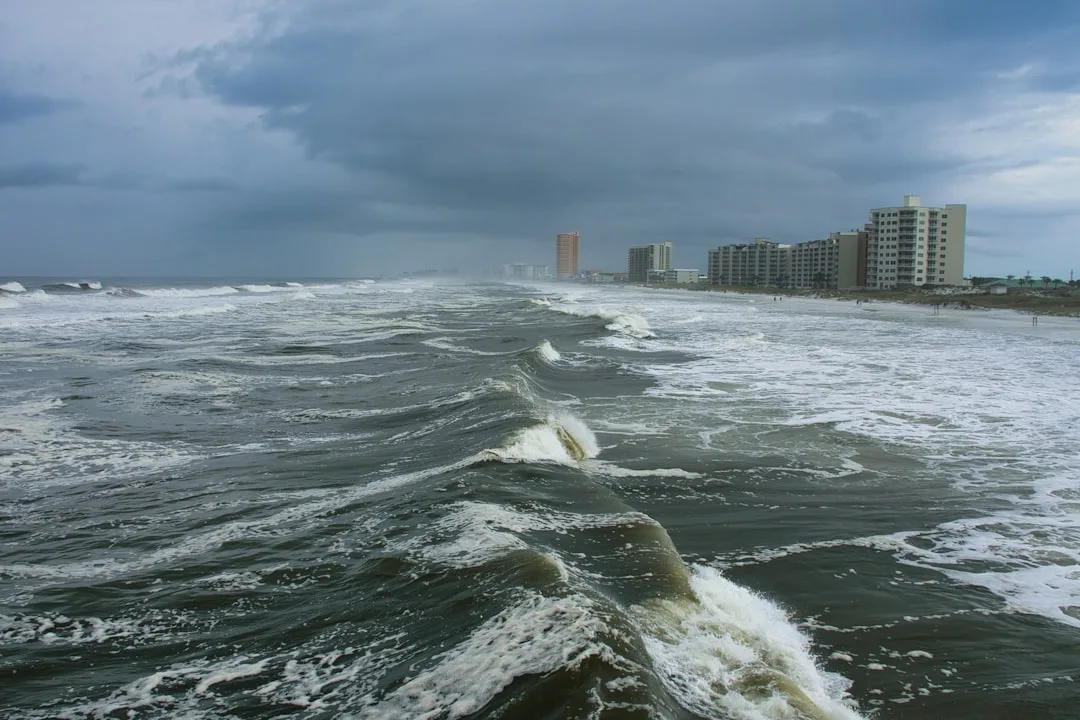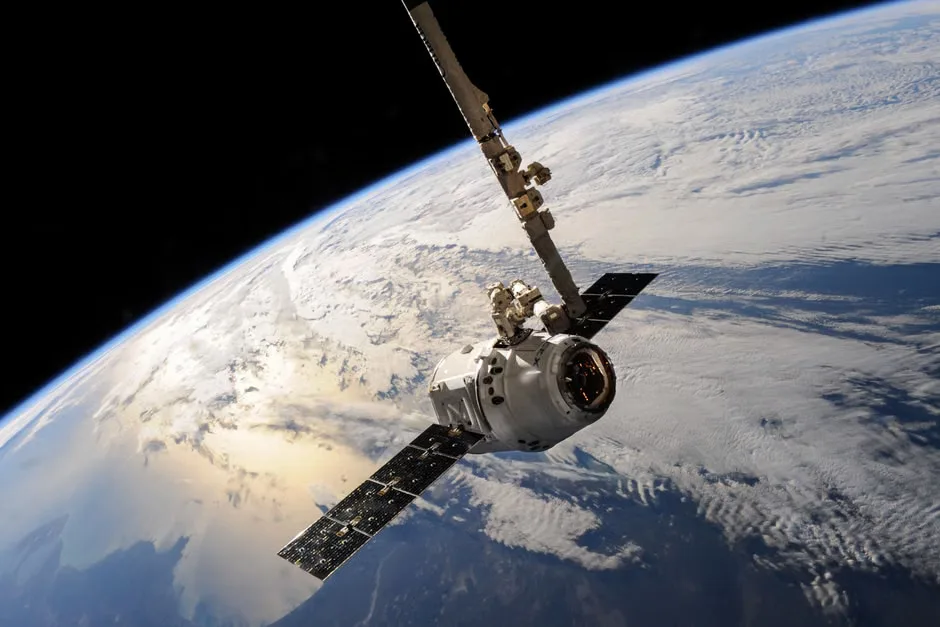
The United States faces growing risks to its weather forecasting capabilities as key environmental satellites age beyond their designed lifespans, according to a recent assessment by aerospace and meteorological experts. With several critical platforms now operating on borrowed time, the potential for data gaps during hurricane season and severe weather events is rising.
Context
: The Government Accountability Office has warned that delays in replacing polar-orbiting and geostationary satellites could reduce forecast accuracy by up to 20% for extreme weather events, based on modeling studies cited in a 2023 report. These satellites provide essential data for tracking storm development, atmospheric moisture, and temperature profiles.
: Dr. Ellen Stofan, former NASA chief scientist, stated in a recent interview that the nation’s weather observation system is at a tipping point where aging hardware meets increasing climate volatility.
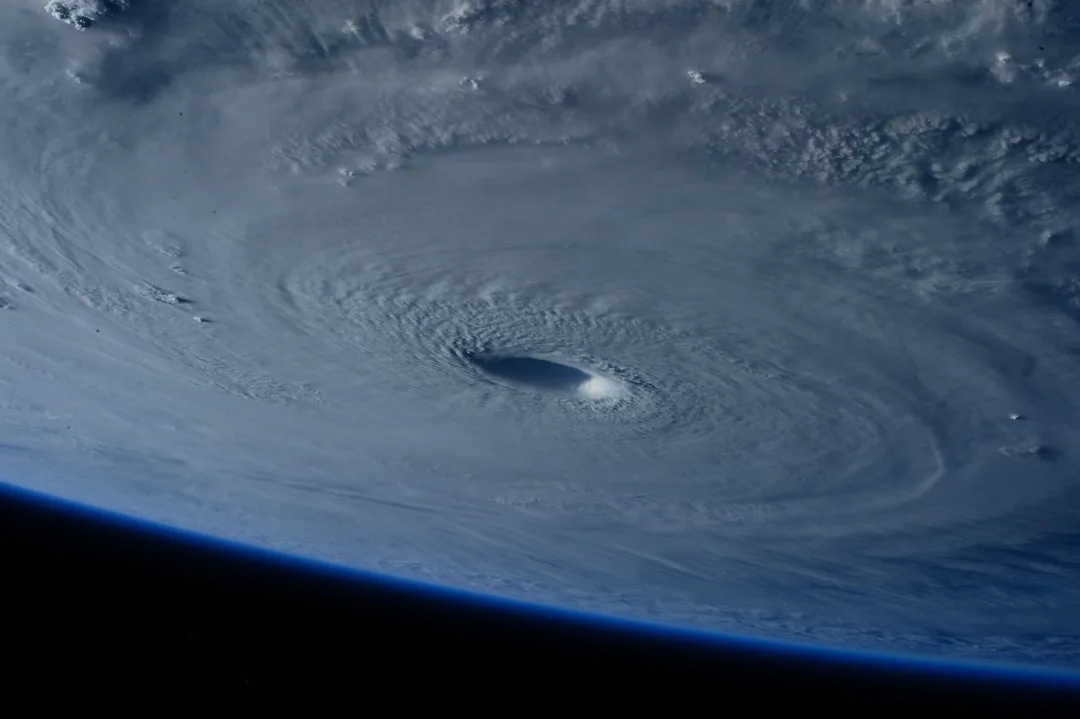
Analysts emphasize that relying solely on aging space assets creates single points of failure. A single satellite malfunction during peak storm season could deprive forecasters of real-time imagery and sounding data critical for tracking rapidly intensifying hurricanes or tornado outbreaks.
To address these vulnerabilities, experts recommend a hybrid architecture that integrates next-generation satellites with enhanced ground-based radar, unmanned aerial sensors, and improved data assimilation models. This layered approach would ensure continuity of observations even if one component fails or experiences degradation.
Evergreen background
: Weather satellites have been foundational to U.S. forecasting since the launch of TIROS-1 in 1960, evolving to provide global coverage essential for numerical weather prediction. Today, the Joint Polar Satellite System (JPSS) and Geostationary Operational Environmental Satellites (GOES-R) series form the backbone of domestic and global monitoring, but both programs have faced schedule slips and cost overruns.
Hybrid Solution Could Strengthen Weather Resilience
Proponents of the hybrid model argue that diversifying observation sources reduces dependency on any single technology. By combining satellite data with high-resolution radar networks, lidar, and AI-driven forecasting tools, the U.S. could maintain robust forecasting capacity despite orbital asset limitations.
Forward-looking
: NOAA and NASA are already exploring public-private partnerships to host hosted payloads on commercial satellites and increase use of smallsat constellations for targeted weather monitoring. Officials say a decision on the next-generation weather architecture is expected by late 2025, with potential deployment beginning in 2027.
Key questions
- Why are aging weather satellites a concern for U.S. weather forecasting?
- Many U.S. weather satellites are operating beyond their designed lifespans, increasing the risk of sudden failure. This could lead to gaps in critical data used for tracking hurricanes, severe storms, and atmospheric conditions, potentially reducing forecast accuracy and warning lead times.
- What is a hybrid solution for weather monitoring, and how would it help?
- A hybrid solution combines satellite observations with ground-based radar, weather balloons, drones, and advanced modeling to create a resilient monitoring network. This approach ensures continuous data collection even if one component fails, improving reliability and forecast consistency.