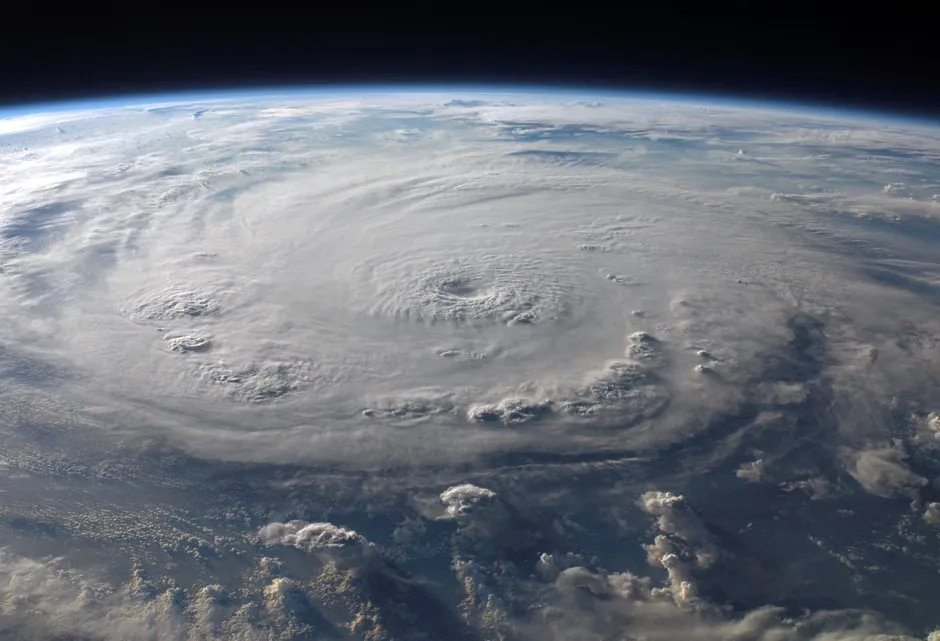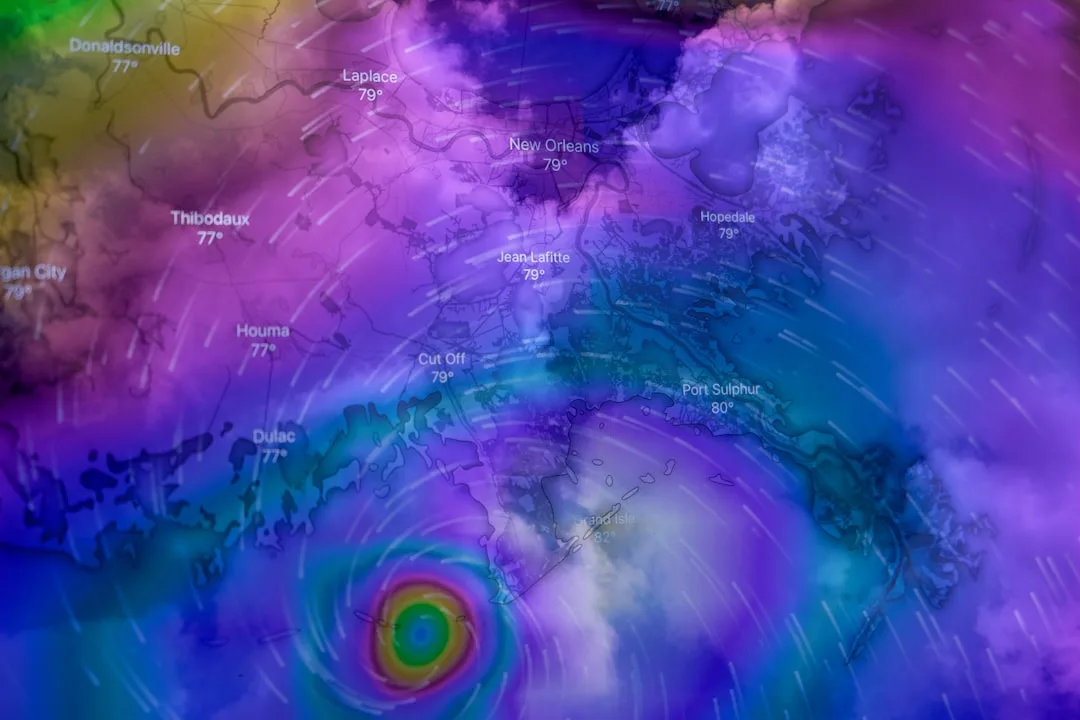
The National Oceanic and Atmospheric Administration (NOAA) has reaffirmed its prediction for a below-normal Atlantic hurricane season, citing El Niños influence as a key factor. The agencys forecast, released in May, predicted a 30% chance of a below-normal season, a 40% chance of a near-normal season, and a 30% chance of an above-normal season.
El Niño, a natural climate phenomenon characterized by warmer-than-average sea surface temperatures in the Pacific Ocean, has been a major factor in NOAA's prediction. The agency notes that El Niño tends to suppress hurricane activity in the Atlantic, leading to a decrease in the number of storms.
NOAA's prediction is based on a combination of climate models and historical data. The agency uses a variety of indicators, including sea surface temperatures, atmospheric conditions, and wind patterns, to make its forecast.
While El Niños influence is a key factor in NOAAs prediction, the agency notes that other climate patterns, such as the North Atlantic Oscillation, can also impact hurricane activity. NOAA's forecast is subject to change as the season progresses and new data becomes available.
NOAA's prediction for a below-normal Atlantic hurricane season is in line with other forecasters, including the Colorado State University (CSU) hurricane risk forecast. The CSU forecast, released in April, predicted a 30% chance of a below-normal season and a 40% chance of a near-normal season.
The Atlantic hurricane season runs from June 1 to November 30. NOAA's forecast is an important tool for residents and businesses in hurricane-prone areas, as it helps them prepare for the potential impacts of a hurricane.
Below-Normal Atlantic Hurricane Season Predicted
NOAA's prediction for a below-normal Atlantic hurricane season is based on a combination of climate models and historical data. The agency uses a variety of indicators, including sea surface temperatures, atmospheric conditions, and wind patterns, to make its forecast.
While El Niños influence is a key factor in NOAAs prediction, the agency notes that other climate patterns, such as the North Atlantic Oscillation, can also impact hurricane activity. NOAA's forecast is subject to change as the season progresses and new data becomes available.
The Atlantic hurricane season is an important time for residents and businesses in hurricane-prone areas to prepare for the potential impacts of a hurricane. NOAA's forecast is an important tool for helping them make informed decisions.
Evergreen background: The Atlantic hurricane season is a critical time for residents and businesses in hurricane-prone areas to prepare for the potential impacts of a hurricane. NOAA's forecast is an important tool for helping them make informed decisions.
Key questions
- What is NOAA's prediction for the Atlantic hurricane season?
- NOAA predicts a below-normal Atlantic hurricane season, citing El Niño's influence as a key factor.
- What is El Niño and how does it impact hurricane activity?
- El Niño is a natural climate phenomenon characterized by warmer-than-average sea surface temperatures in the Pacific Ocean. It tends to suppress hurricane activity in the Atlantic, leading to a decrease in the number of storms.