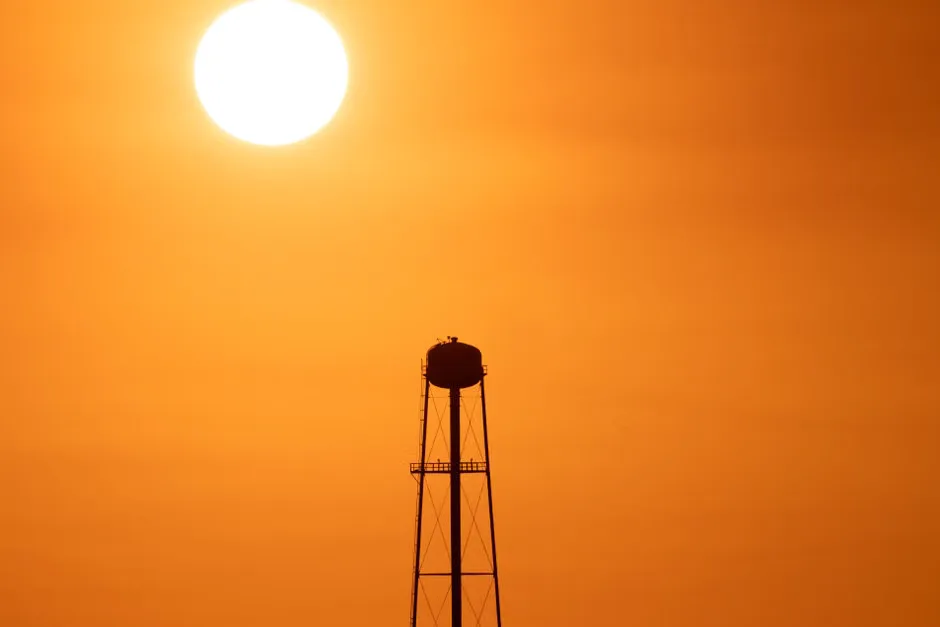
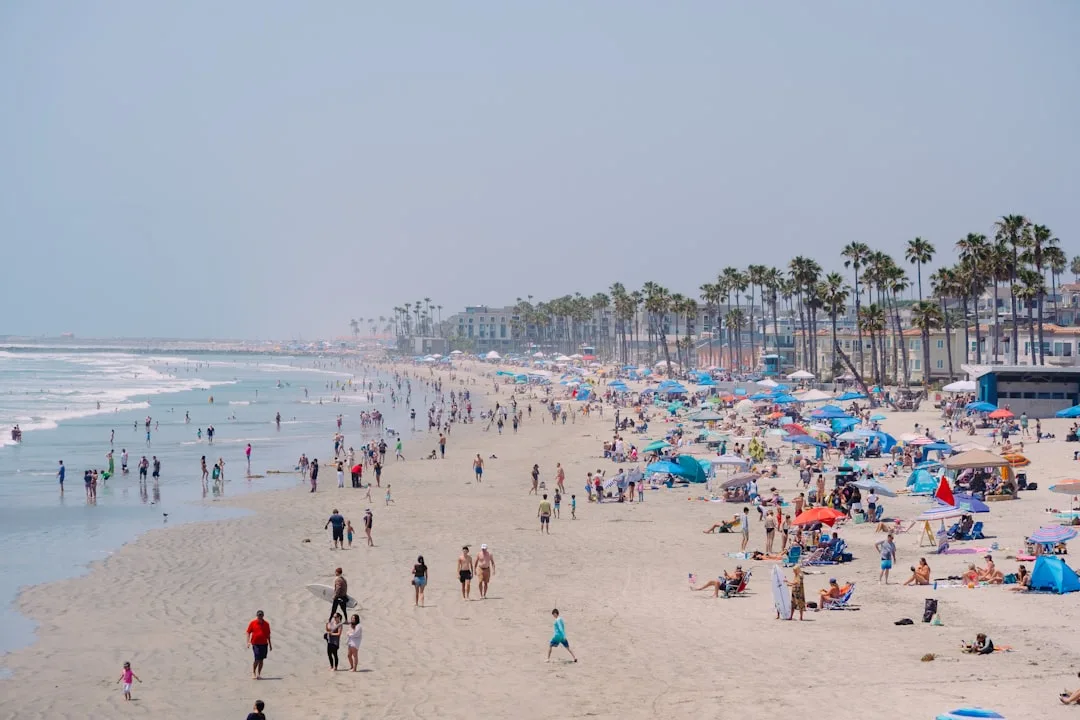
A Southern California heat wave is currently pushing temperatures toward historic highs, creating dangerous conditions for millions of residents. Local authorities have issued urgent warnings as the extreme thermal event persists across the region.
This event follows a trend of increasing summer volatility in the American Southwest. According to recent climate data, extreme heat events in the region have increased in frequency by nearly 20% over the last decade (National Oceanic and Atmospheric Administration). The strain on the electrical grid has become a primary concern for utility providers as air conditioning usage spikes to unprecedented levels.
CBS News reports that the current weather patterns are expected to break existing records, leaving the region in a state of high alert.
The current Southern California heat wave is driven by a persistence of this high-pressure system which prevents cooler marine air from penetrating inland. This atmospheric block traps heat in the valleys, amplifying the effect of the sun's radiation and creating a feedback loop of rising temperatures. In metropolitan areas, the Urban Heat Island effect further exacerbates the crisis, as asphalt and concrete absorb heat during the day and radiate it back at night.
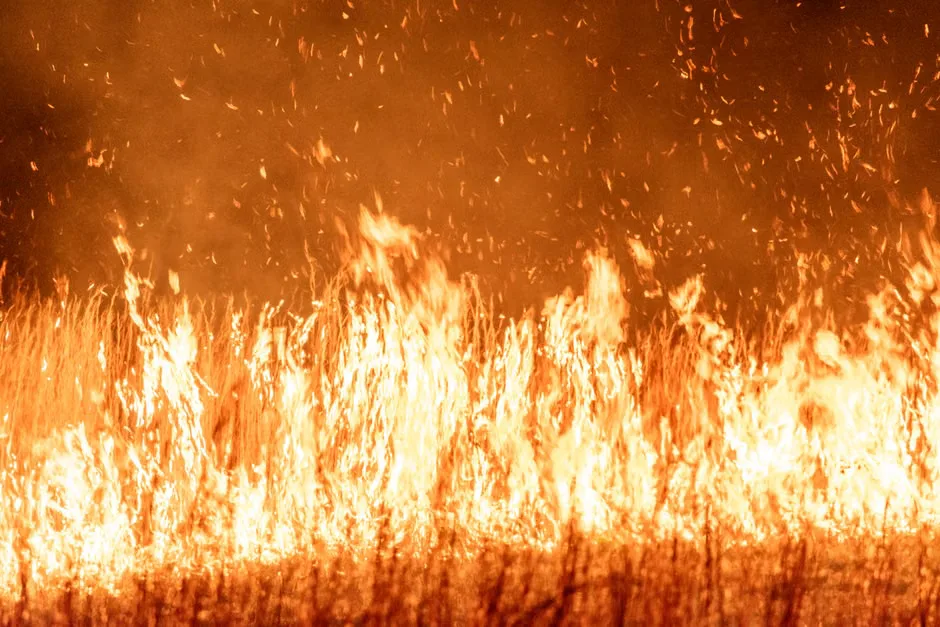
Public health officials are particularly concerned about the cumulative effect of multi-day heat. When nighttime temperatures remain high, the human body cannot recover from daytime thermal stress, significantly increasing the risk of heatstroke and cardiovascular failure. Furthermore, the extreme dryness accompanying the heat increases the risk of wildfires, putting additional pressure on emergency response teams already stretched thin by the weather crisis.
As the Southern California heat wave continues, meteorologists are monitoring a potential shift in wind patterns that could bring relief late next week. Until then, municipal cooling centers remain open to the public, and residents are urged to check on elderly neighbors. The National Weather Service continues to update hourly forecasts as the heat peak approaches.
During a Southern California heat wave, the region's unique geography makes it susceptible to heat domes, where a ridge of high pressure traps warm air over a large area. This phenomenon often leads to the record-breaking spikes seen during severe summers. Unlike standard heat waves, these domes can persist for weeks, fundamentally altering local ecosystems and stressing water reservoirs that are already depleted from long-term drought conditions.
Managing the Southern California Heat Wave
Residents are encouraged to follow strict safety protocols to avoid heat-related illnesses. This includes staying hydrated with water and electrolytes, wearing lightweight clothing, and limiting outdoor exposure between 10 a.m. and 4 p.m. Local governments have implemented Cool Zones in public libraries and community centers to provide sanctuary for those without home cooling systems.
The impact of the Southern California heat wave is also significant for the regional economy, as agricultural yields in the Central Valley and surrounding areas suffer from extreme thermal stress. Crops can wither under these conditions, leading to potential price increases for produce across the state. This intersection of public health, infrastructure, and agriculture highlights the systemic vulnerability of the region to extreme weather.
Key questions
- What are the signs of heat exhaustion?
- Common signs include heavy sweating, a rapid pulse, dizziness, and fatigue. It is critical to move to a cool environment and hydrate immediately to prevent heatstroke.
- How can residents stay cool during a heat wave?
- Residents should use air conditioning, stay hydrated, and avoid outdoor activities during peak sun hours. Municipal cooling centers are available for those without home cooling.