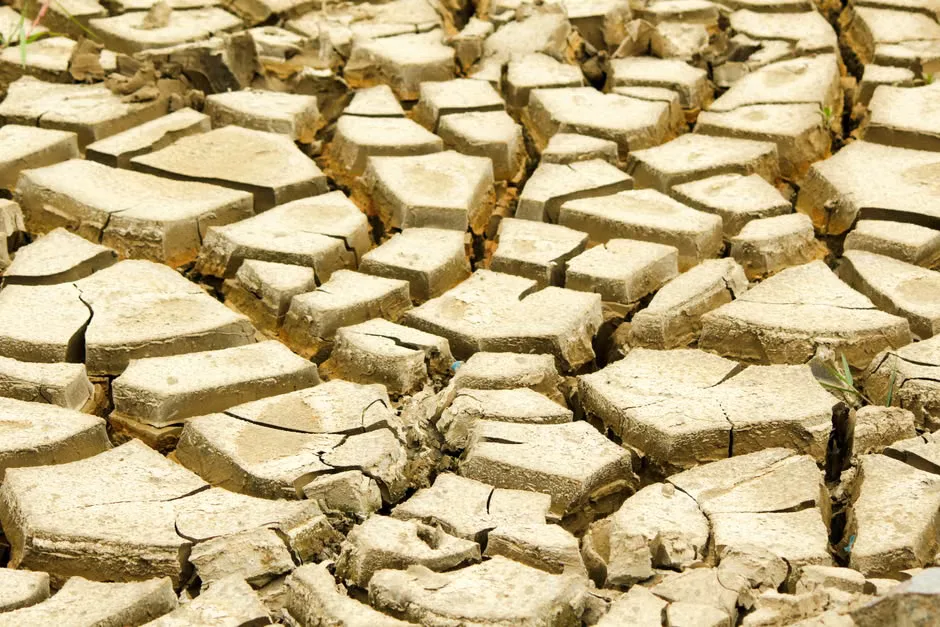
Puerto Rico is under emergency water restrictions as a historic drought grips the island, leaving hundreds of thousands of residents without reliable access to running water. The Puerto Rico Aqueduct and Sewer Authority (PRASA) began phased rationing in May after reservoir levels dropped below 15% capacity, triggering mandatory cuts in dozens of municipalities.
According to the U.S. Drought Monitor, over 85% of Puerto Rico is experiencing extreme or exceptional drought conditions, the worst classification, with rainfall deficits exceeding 20 inches below average since January 2024. This marks the driest start to a year in over two decades of recorded data.
We are facing an unprecedented situation where conservation is no longer optional — it’s survival, said Elí Díaz Atienza, executive director of PRASA, in a public briefing. Every gallon saved today is a gallon we may have tomorrow.
The crisis is compounded by decades of underinvestment in water infrastructure. Nearly 60% of the island’s water pipes are over 50 years old, leading to frequent breaks and significant water loss — estimated at up to 55% of treated water before it reaches homes. These losses undermine conservation efforts and increase pressure on already strained supplies.
Residents in towns like Ponce, Mayagüez, and parts of the San Juan metro area report intermittent service, with some going days without water. Many rely on bottled water or community distribution points, creating logistical and financial burdens, especially for elderly and low-income households.
Officials warn that without significant rainfall in the coming months, restrictions could intensify. Long-term solutions remain elusive due to funding shortfalls and bureaucratic delays in upgrading the water system, which experts say requires over $2 billion in investments to meet modern standards.
Puerto Rico drought exposes systemic vulnerabilities in water security
Beyond immediate shortages, the drought highlights deeper challenges in climate resilience and utility management. Puerto Rico’s water system has struggled to recover from Hurricane Maria in 2017, and repeated climate shocks are testing its ability to adapt. Experts stress that drought preparedness must be integrated into infrastructure planning, not treated as a temporary emergency response.
As climate patterns shift, the Caribbean region is projected to face more frequent and intense droughts. For Puerto Rico, breaking the cycle of crisis and recovery will require sustained investment, improved water governance, and community engagement in conservation efforts — before the next dry season arrives.
Key questions
- Why is Puerto Rico experiencing water rationing?
- Puerto Rico has implemented water rationing due to a historic drought that has reduced reservoir levels to critically low points, some below 15% capacity. The situation is worsened by aging water infrastructure that loses over half of treated water through leaks, making conservation essential to maintain supply.
- How many people are affected by the water shortages in Puerto Rico?
- Hundreds of thousands of residents across multiple municipalities are affected by intermittent or no running water as a result of the drought and rationing measures. Reports indicate widespread impacts in areas including Ponce, Mayagüez, and parts of the San Juan metropolitan area.