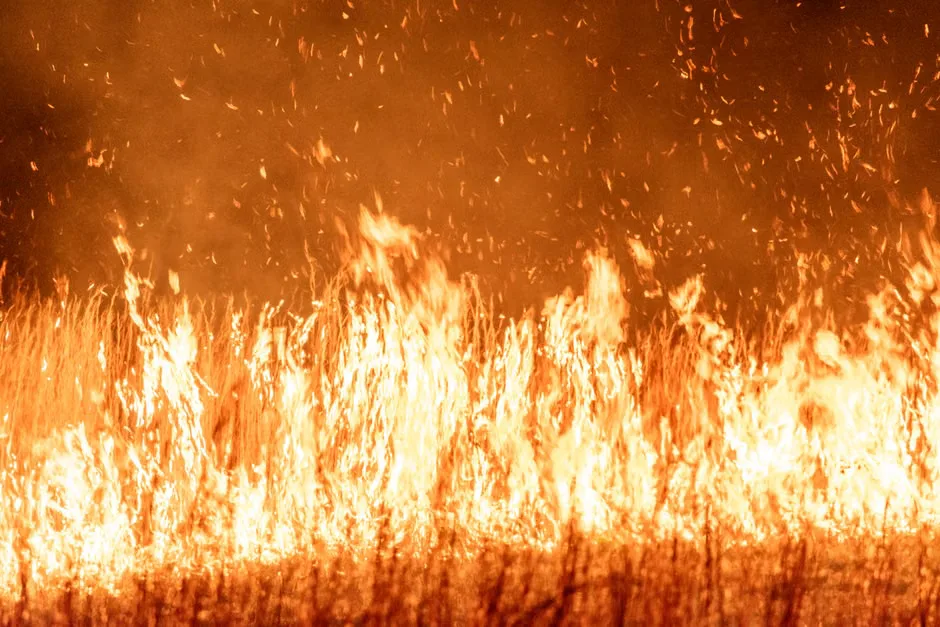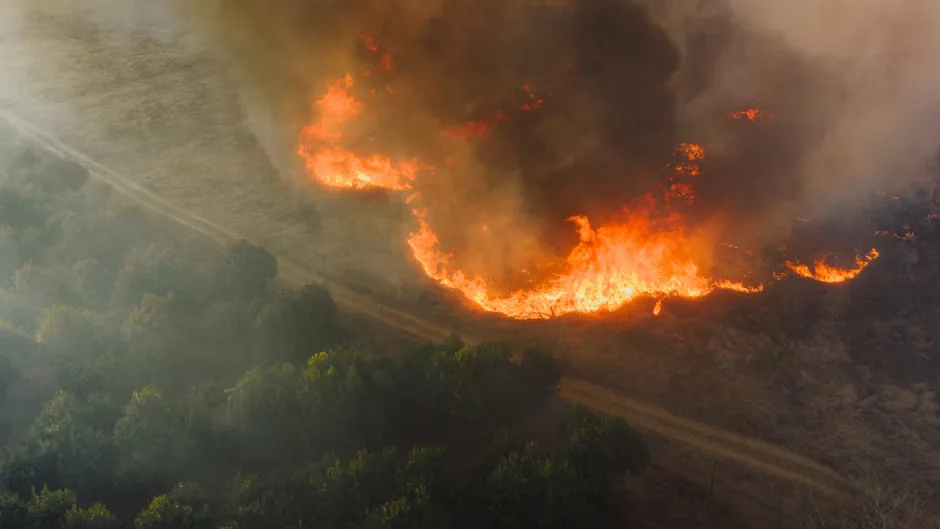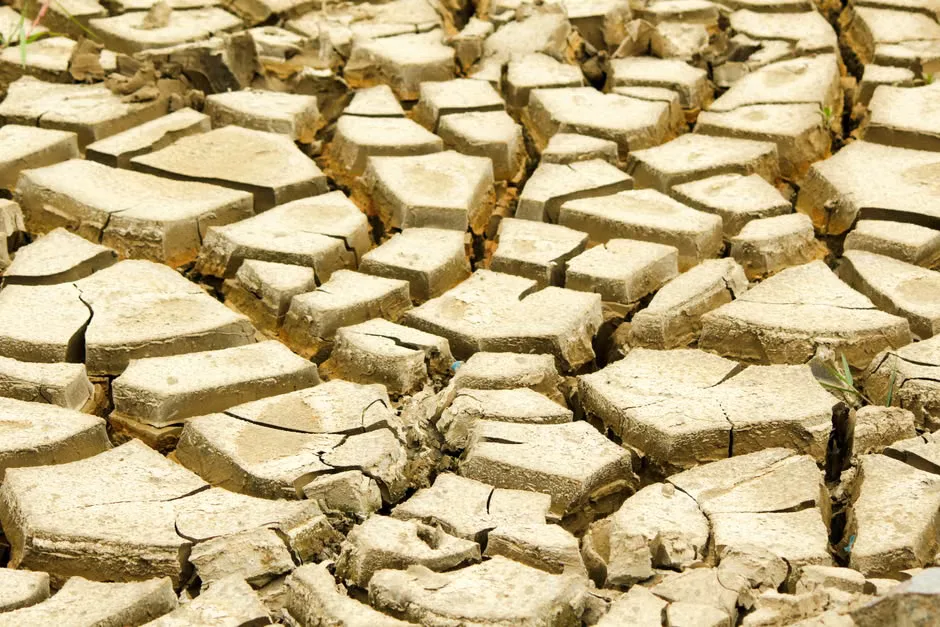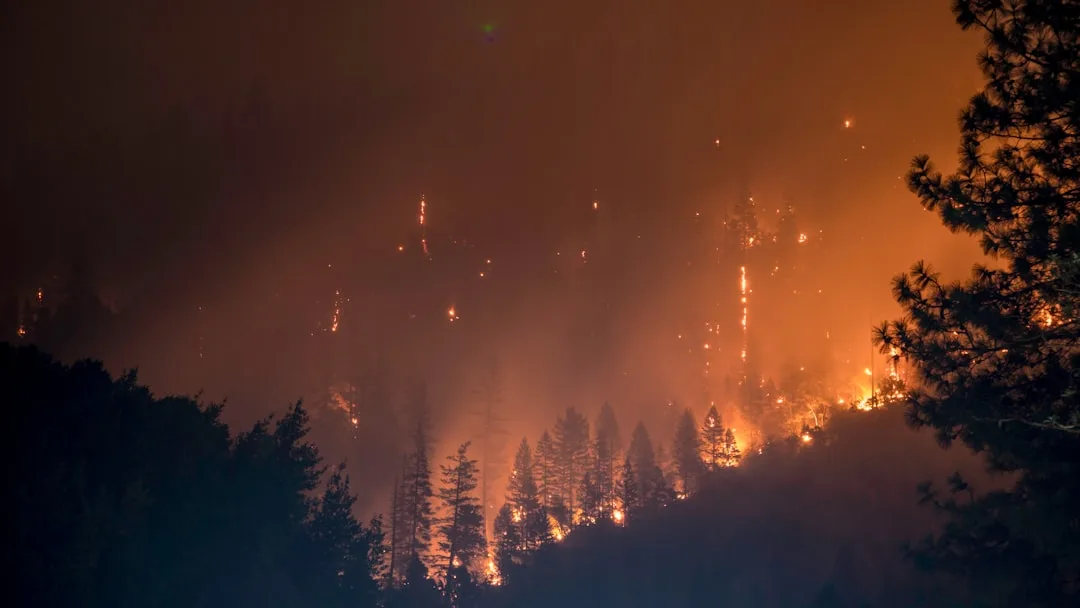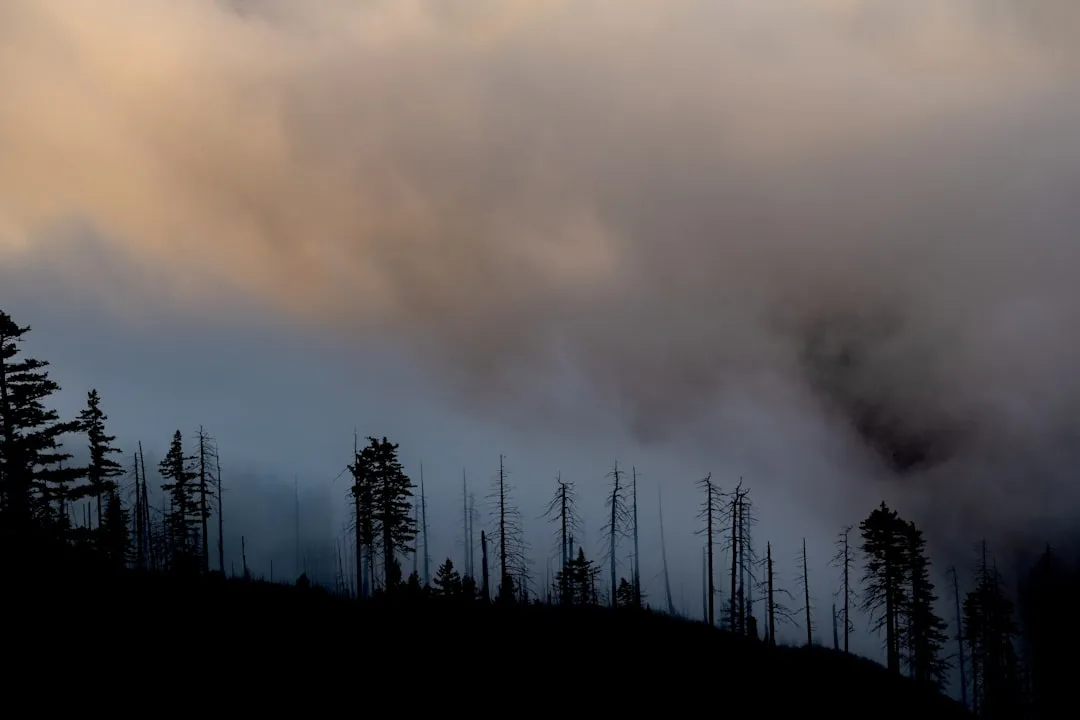
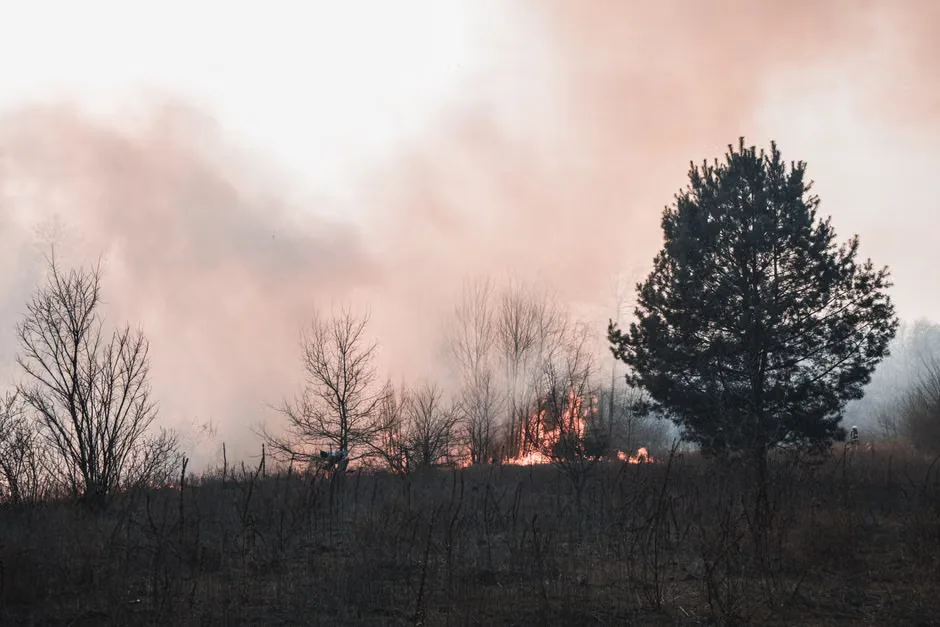
Researchers have identified a major intensification of fire weather across southern Europe in recent decades, with a significant increase in extreme heatwaves and droughts. The study, published in Nature, analyzed data from the past few decades and found that the region has experienced a substantial rise in fire weather events.
According to the study, southern Europe has seen a 20% increase in fire weather events over the past 40 years, with the majority of these events occurring in the summer months. This increase in fire weather has significant implications for the region's ecosystems, economies, and human populations.
Dr. Maria Rodriguez, a leading expert in fire weather research, stated, 'The data is clear: southern Europe is experiencing a significant increase in fire weather events. This is a major concern for the region, as it can have devastating impacts on local communities and ecosystems.'
The analysis of fire weather events in southern Europe has significant implications for policymakers and researchers. It highlights the need for more effective fire prevention and mitigation strategies, as well as the importance of climate change adaptation and resilience planning.
As the region continues to experience more frequent and severe fire weather events, it is essential to understand the underlying drivers of this trend. By analyzing the data and identifying the key factors contributing to this increase, researchers and policymakers can work together to develop effective solutions to mitigate the impacts of fire weather in southern Europe.
Fire Weather Intensification in Southern Europe
The study's findings have significant implications for the region's ecosystems, economies, and human populations. The increase in fire weather events can have devastating impacts on local communities and ecosystems, highlighting the need for more effective fire prevention and mitigation strategies.
As the region continues to experience more frequent and severe fire weather events, it is essential to understand the underlying drivers of this trend. By analyzing the data and identifying the key factors contributing to this increase, researchers and policymakers can work together to develop effective solutions to mitigate the impacts of fire weather in southern Europe.
Evergreen background: Fire weather events have been a significant concern in southern Europe for decades, with the region experiencing some of the most severe wildfires in recent history. The increase in fire weather events highlights the need for more effective fire prevention and mitigation strategies, as well as the importance of climate change adaptation and resilience planning.
Key questions
- What is fire weather?
- Fire weather refers to the combination of atmospheric conditions that contribute to the spread of wildfires, including high temperatures, low humidity, and strong winds.
- What are the implications of fire weather intensification in southern Europe?
- The increase in fire weather events in southern Europe has significant implications for the region's ecosystems, economies, and human populations, highlighting the need for more effective fire prevention and mitigation strategies.