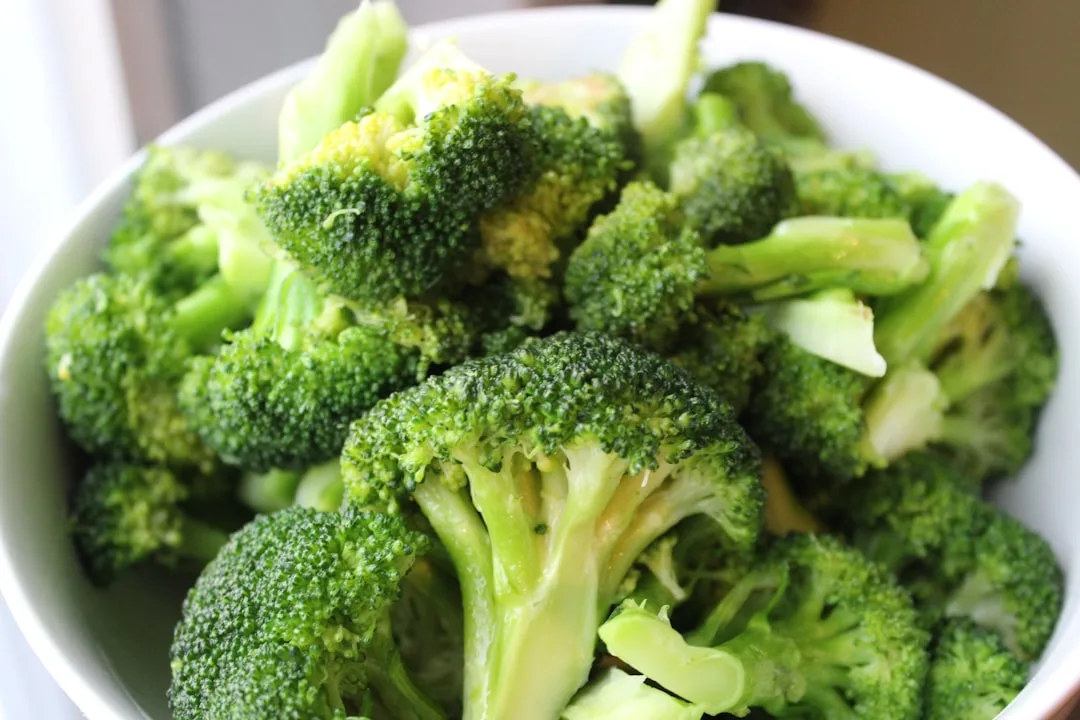
Broccoli, a commonly consumed vegetable, may have a significant impact on cancer prevention, according to a recent study published in the Journal of Nutrition and Cancer. Researchers found that the compound sulforaphane, found in broccoli, has potent anti-cancer properties.
Broccoli is a cruciferous vegetable that is rich in vitamins and minerals, including vitamin C, vitamin K, and fiber. It is also a good source of antioxidants, which can help protect cells from damage caused by free radicals.
According to the American Cancer Society, cancer is the second leading cause of death worldwide, accounting for over 9.6 million deaths in 2018. While there are many risk factors for cancer, diet and lifestyle play a significant role in cancer prevention.
Researchers at the University of California, Los Angeles (UCLA) conducted a study to investigate the anti-cancer properties of broccoli. They found that sulforaphane, a compound found in broccoli, has potent anti-cancer properties and may help prevent cancer.
The study, which was published in the Journal of Nutrition and Cancer, found that sulforaphane inhibited the growth of cancer cells and induced apoptosis, or cell death, in cancer cells. The researchers also found that sulforaphane had anti-inflammatory properties and may help reduce the risk of cancer.
While the study suggests that broccoli may have a significant impact on cancer prevention, more research is needed to confirm these findings. However, the results of this study are promising and may have significant implications for cancer prevention.
Broccoli and Cancer Prevention
Broccoli is a nutrient-rich vegetable that is rich in vitamins, minerals, and antioxidants. It is also a good source of fiber, which can help promote digestive health and reduce the risk of chronic diseases, including cancer.
While the study suggests that broccoli may have a significant impact on cancer prevention, it is essential to note that cancer is a complex disease that is influenced by many factors, including genetics, lifestyle, and environment. A healthy diet and lifestyle, including regular exercise and a balanced diet, are essential for reducing the risk of cancer.
Researchers are continuing to study the anti-cancer properties of broccoli and other vegetables, and more research is needed to confirm the findings of this study. However, the results of this study are promising and may have significant implications for cancer prevention.
In addition to its potential anti-cancer properties, broccoli is also a nutritious food that is rich in vitamins, minerals, and antioxidants. It is a good source of vitamin C, vitamin K, and fiber, and is also low in calories and rich in water content.
Key questions
- What is broccoli?
- Broccoli is a cruciferous vegetable that is rich in vitamins and minerals, including vitamin C, vitamin K, and fiber.
- What are the potential health benefits of broccoli?
- Broccoli may have anti-cancer properties and may help reduce the risk of chronic diseases, including cancer.