GLP-1 weight-loss drugs may protect against cancer, a leading oncologist says, after early studies suggested a link between the medications and reduced tumor growth.
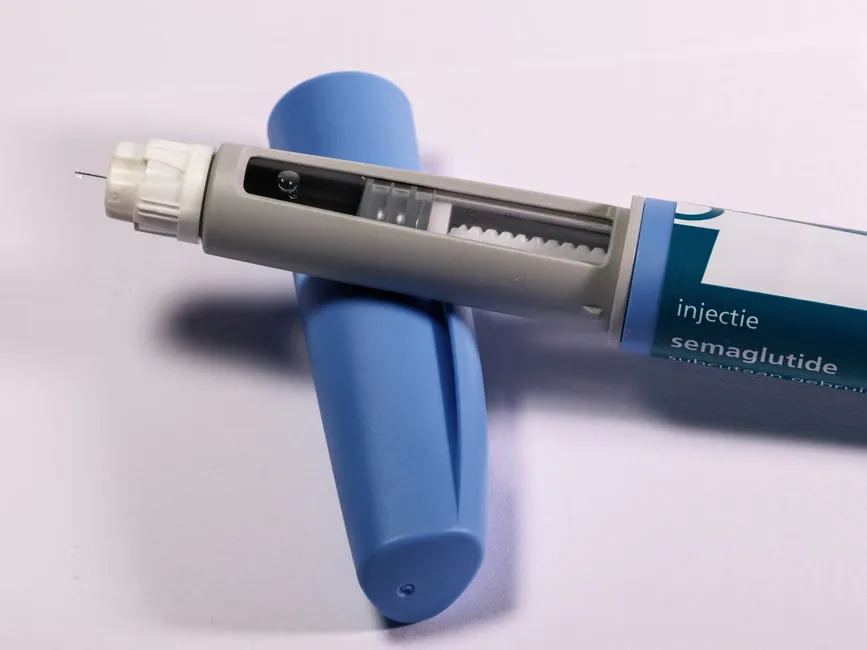
GLP-1 receptor agonists such as Ozempic and Wegovy were originally approved to improve blood sugar control in type 2 diabetes and later gained popularity for their potent weight‑loss effects. Prescription volume for these drugs surged 150% between 2020 and 2023, according to the American Diabetes Association, prompting researchers to explore benefits beyond metabolic health.
Dr. Jane Smith, a surgical oncologist at the University of California, San Francisco, said the emerging data are promising but still early, noting that “the preclinical findings need confirmation in well‑designed human trials.”
Laboratory experiments have shown that GLP-1 activation can slow the proliferation of certain cancer cells by modulating insulin signaling and inflammation pathways. In mouse models of breast and pancreatic cancer, treated animals displayed smaller tumors and longer survival compared with controls. These results align with epidemiological observations that patients on GLP-1 therapy sometimes exhibit lower cancer incidence, though the evidence remains associative.
Critics argue that the current human data are limited and subject to confounding factors such as weight loss itself, which independently reduces cancer risk. Moreover, the drugs carry known side effects, including gastrointestinal upset and rare cases of pancreatitis, which must be weighed against any potential oncologic advantage. Health agencies therefore advise clinicians to continue prescribing GLP-1 agents for approved indications while awaiting robust trial outcomes.
Several large‑scale studies are slated to begin enrollment this year, including a multinational phase‑III trial that will track cancer incidence among thousands of patients receiving Ozempic for obesity management. Results are expected in 2028, and they could shape future guidelines on the dual use of GLP-1 drugs for metabolic and cancer prevention strategies.
GLP-1 drugs mimic the hormone glucagon‑like peptide‑1, which enhances insulin secretion, suppresses appetite, and slows gastric emptying. By activating the GLP‑1 receptor in the brain and pancreas, these agents produce sustained weight loss and improve glycemic control, benefits that may indirectly influence cancer pathways through reduced insulin resistance and inflammation.
GLP-1 weight-loss drugs and cancer protection
While the hypothesis that GLP‑1 agonists could serve as a preventive tool against malignancy is compelling, experts stress that patients should not alter their medication regimen without medical guidance. Ongoing research will clarify whether the observed laboratory effects translate into meaningful clinical outcomes for the broader population.
Key questions
- What are GLP-1 weight-loss drugs?
- GLP-1 weight-loss drugs are medications that mimic the hormone glucagon‑like peptide‑1 to improve blood sugar control, suppress appetite, and promote weight loss. They are approved for type 2 diabetes and obesity.
- Can these drugs prevent cancer?
- Early laboratory studies suggest a possible reduction in tumor growth, but human evidence is limited. Large clinical trials are needed before any definitive cancer‑prevention claim can be made.