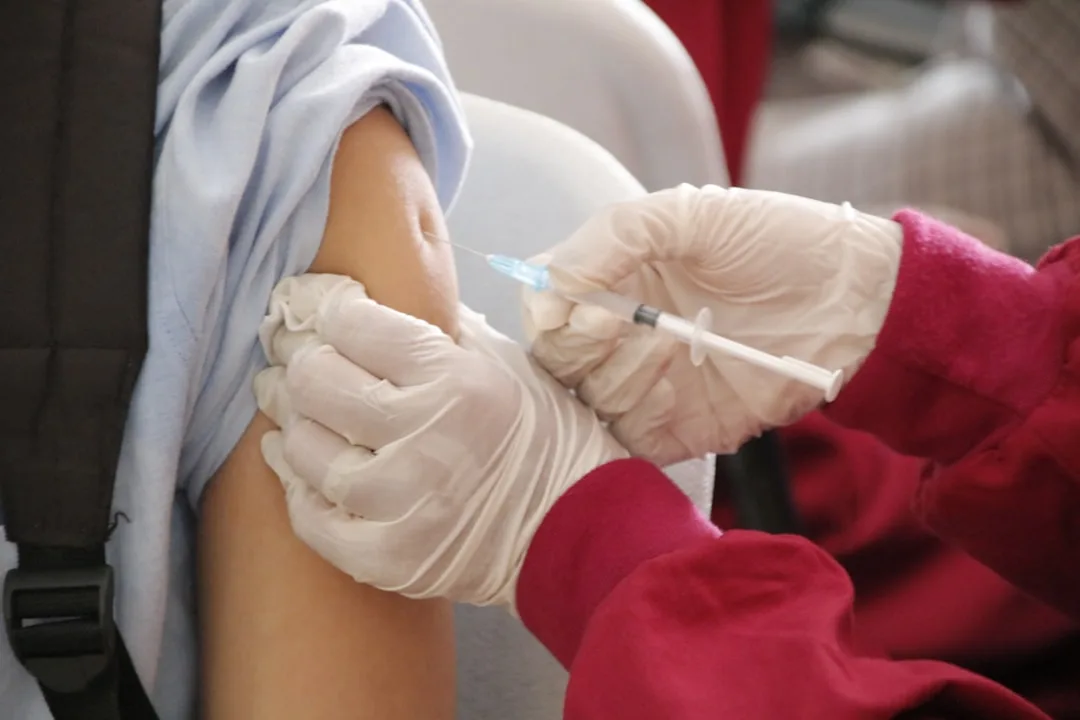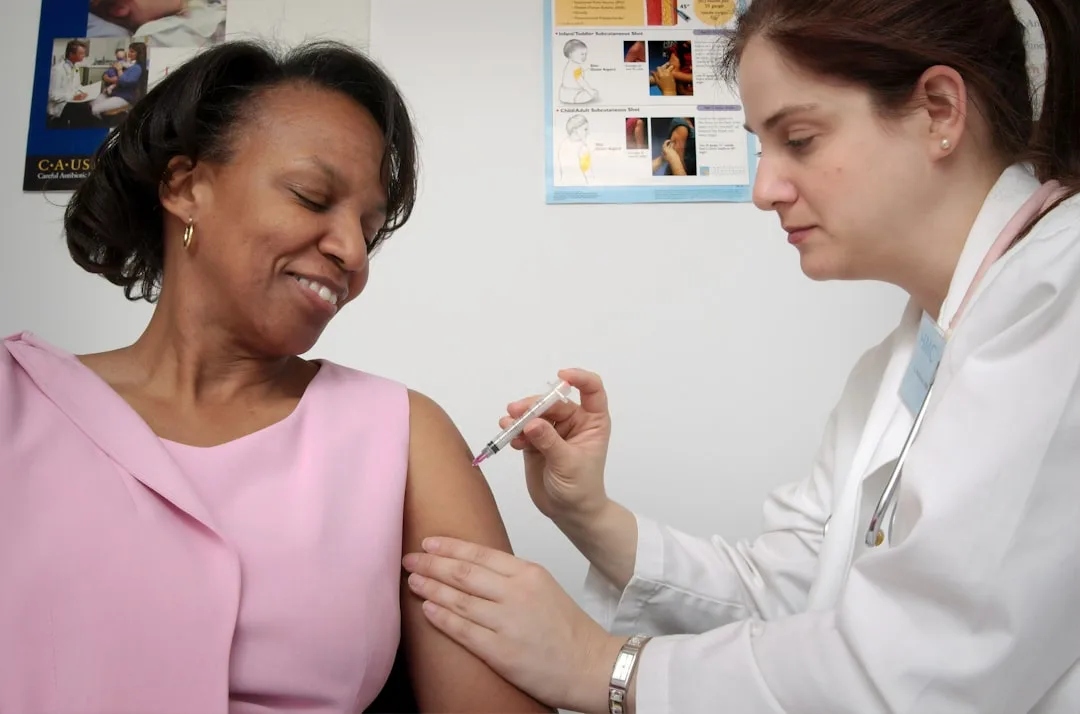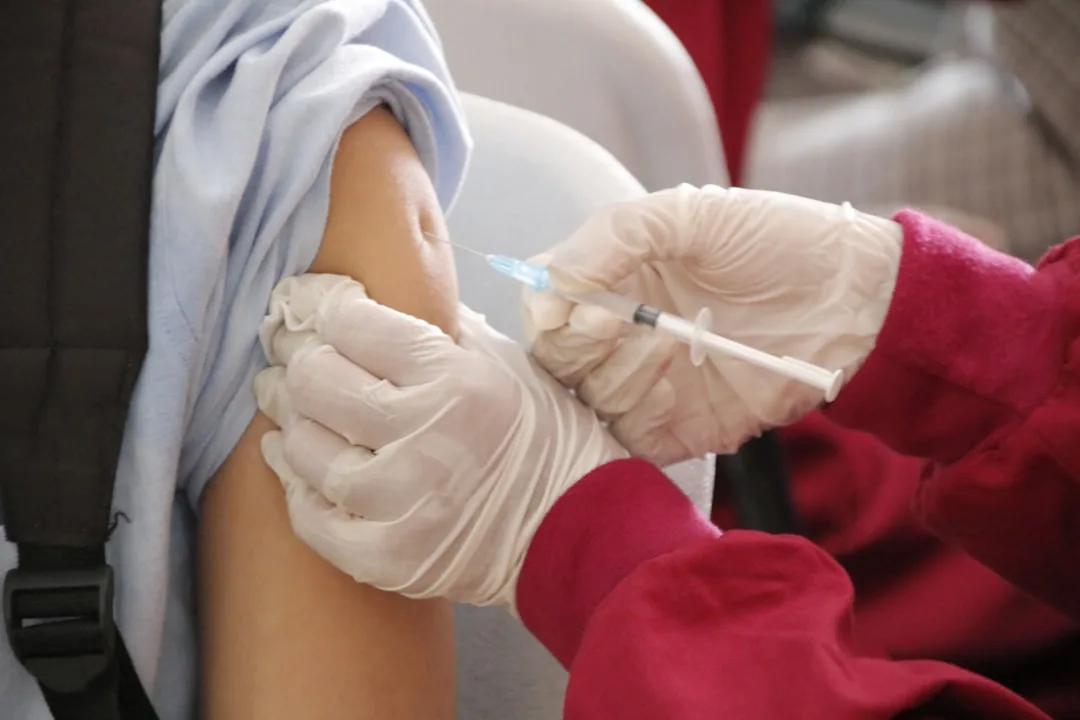
Scientists are conducting clinical trials on vaccines designed to intercept colon cancer before malignant tumors develop, focusing on individuals with inherited genetic risks. The approach aims to train the immune system to recognize and destroy precancerous cells carrying specific mutations.
According to the American Cancer Society, colorectal cancer is the third most commonly diagnosed cancer in the United States, with approximately 150,000 new cases expected in 2024. Early intervention strategies like these vaccines could significantly reduce incidence rates.
Dr. Steven Lipkin, a geneticist at Weill Cornell Medicine, stated, We're shifting from treating cancer to preventing it by targeting the earliest molecular changes that lead to tumor formation.
The vaccines under investigation target neoantigens produced by mutations in genes such as APC and KRAS, which are often among the first alterations in the adenoma-carcinoma sequence. By vaccinating against these abnormal proteins, researchers hope to eliminate damaged cells before they progress to malignancy.
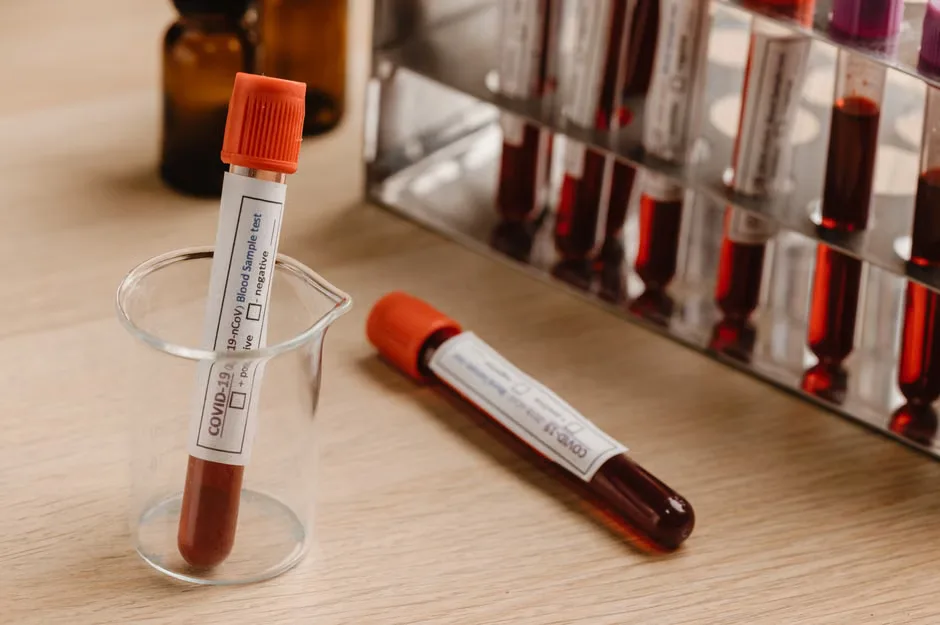
Early-phase trials have shown promising immune responses in participants with Lynch syndrome, a hereditary condition that dramatically increases colon cancer risk. Researchers are monitoring both immune activation and the reduction of precancerous polyps over time.
Colon Cancer Vaccine Mechanism
If successful, this preventive strategy could complement existing screening methods like colonoscopies by addressing cancer at its molecular origin. The approach may eventually extend to other hereditary cancers with well-defined genetic pathways.
Long-term success will depend on demonstrating sustained protection, minimal side effects, and effectiveness across diverse populations. Researchers emphasize that vaccines would not replace screening but could reduce the frequency of invasive procedures for high-risk individuals.
Key questions
- How do colon cancer vaccines work to prevent cancer?
- These vaccines train the immune system to recognize and attack precancerous cells that carry specific genetic mutations, such as in the APC or KRAS genes. By targeting these early molecular changes, the vaccines aim to eliminate abnormal cells before they develop into malignant tumors.
- Who is eligible for the current colon cancer vaccine trials?
- The trials primarily focus on individuals with hereditary conditions like Lynch syndrome, which significantly increases the risk of developing colon cancer. Participants are typically identified through genetic screening and have a family history of colorectal or related cancers.